
Building Your Dream Home in Billings, MT: A Local’s Guide
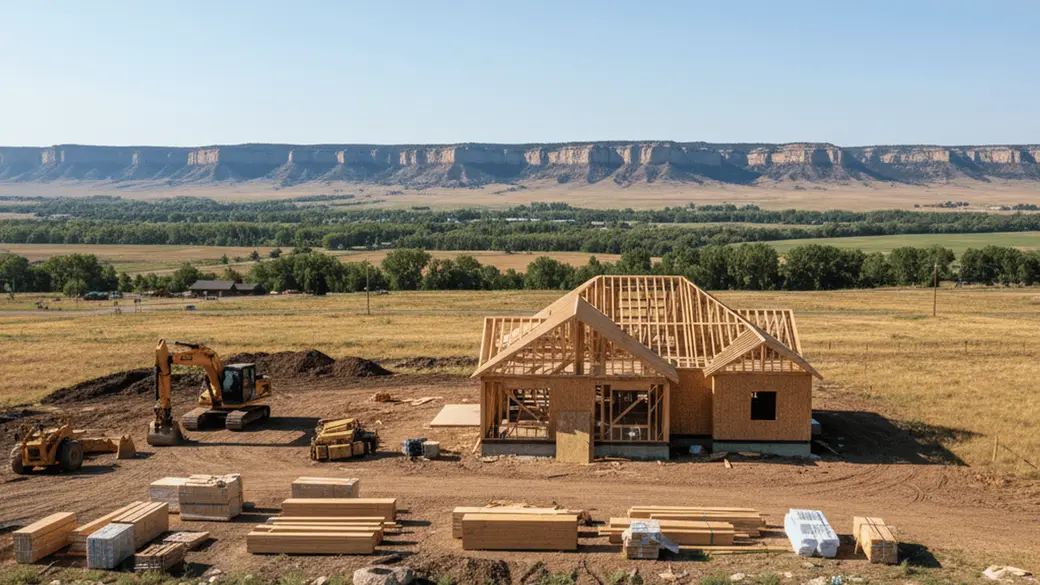
There is a distinct pull to Billings that goes beyond the jobs or the economy. It’s the access to the Yellowstone River, the views from the Rimrocks, and the sense of space that you just don't get in denser cities. For many people moving here, the dream isn't just to buy a house; it’s to build a custom sanctuary that fits that lifestyle perfectly.
While the market for existing homes fluctuates, inventory can sometimes feel tight or dated. If you have a specific vision—whether that’s a massive shop for your toys or floor-to-ceiling windows to capture the sunset—buying an older property might not cut it. Building allows for total personalization and modern energy efficiency from day one.
However, constructing a home from the ground up in Yellowstone County involves a few more moving parts than a standard purchase. This guide maps out exactly what you need to know, from local construction costs and finding the right plot of land to navigating city permits and our unique weather windows.
Buy vs. Build in Billings: Weighing the Pros and Cons
Before you commit to pouring a foundation, it is worth looking at the trade-offs between new construction and existing inventory.
The Timeline Reality Speed is usually the biggest sacrifice when building. Closing on an existing home might take 30 to 60 days. In contrast, building a custom home in our area typically takes 9 to 12 months. That timeline is heavily dictated by contractor availability and, inevitably, the Montana weather.
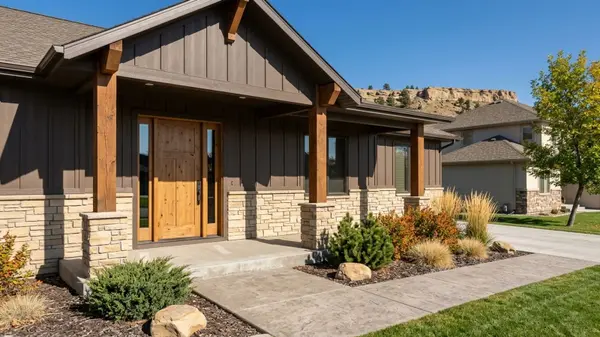
Control and Customization The biggest "pro" for building is precision. You aren't inheriting someone else's outdated kitchen or drafty windows. You get to choose the layout, the insulation rating, and the finish materials. This often saves you money in the long run by avoiding the renovation costs that come with buying an older home.
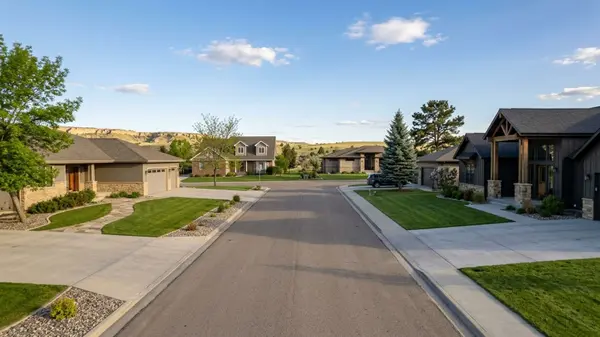
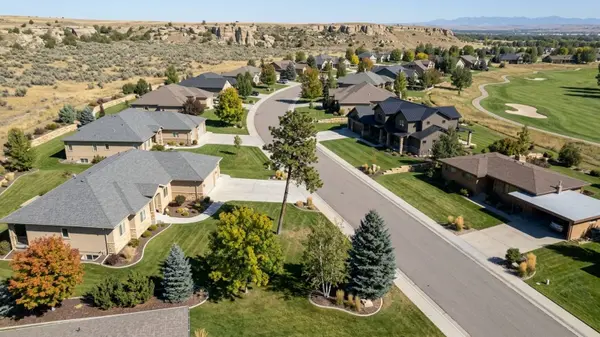
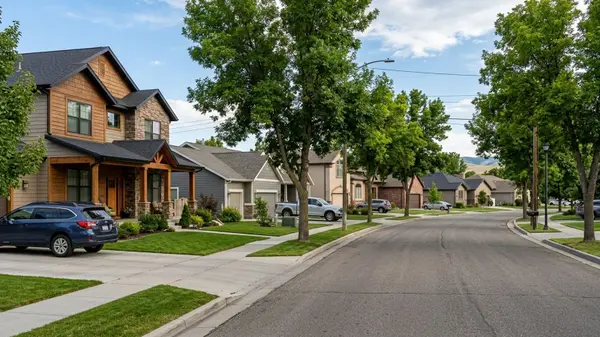
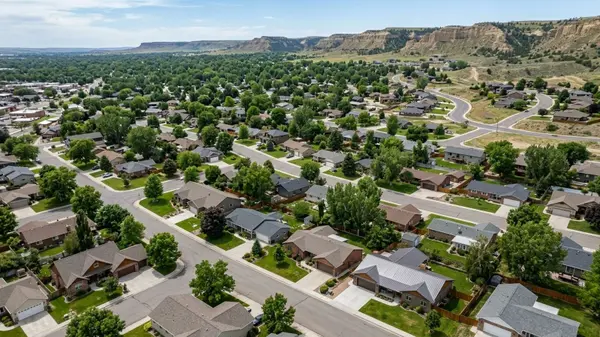
Location Strategy Building requires you to hunt for land, which comes in two main flavors here. You might look for an infill lot in an established neighborhood or a plot in a newer subdivision like Annafeld. Alternatively, many buyers look further out into the county for acreage. Just remember that living in Billings MT often looks very different depending on whether you are five minutes from downtown or twenty minutes out on a gravel road.
Cost to Build a House in Billings, MT
One of the first questions we hear is about the price tag. While every project is different, it helps to have a baseline for financial planning in the 2025/2026 market.
Construction Costs Per Square Foot These figures generally cover labor and materials for the structure itself but exclude the land cost:
- Standard Grade: Expect to pay roughly $120 to $150 per square foot. This gets you builder-grade finishes and standard layouts.
- Premium/Custom: If you want hardwood floors, granite counters, and higher-end fixtures, the range moves to $150 to $180 per square foot.
- Luxury: For top-tier amenities, smart home tech, and complex architectural designs, costs often start at $200 per square foot and go up from there.
Land and Site Work Dirt is not cheap, but it varies wildly by location. You might find rural land in the county ranging around $28,000 per acre, whereas developed city lots with utility hookups ready to go will command a much higher premium per square foot.
Soft Costs Don't overlook the "invisible" costs. When calculating the cost of living in Billings MT and your housing budget, you must factor in architect fees, structural engineering, and permitting. These often sit outside the base price-per-square-foot quotes builders provide.
Securing Construction Financing in Yellowstone County
Unless you are paying cash, financing a new build looks different than a standard mortgage. You generally cannot use a typical FHA or conventional loan to build a house; you need a construction loan.
Construction-to-Permanent Loans Most buyers opt for a "construction-to-permanent" loan. This is often called a one-time close. It saves you from paying closing costs twice. You get the money to build, and once the Certificate of Occupancy is issued, the loan converts into a standard mortgage.
Down Payment Requirements Be prepared for a larger initial investment. While you might buy an existing home with 3% to 5% down, construction loans usually require 20% to 25% down to mitigate the bank's risk during the building phase.
The Local Advantage It is often smart to work with institutions that know the local market values. Local lenders like Billings Federal Credit Union, Western Security Bank, or Guardian Mortgage understand the nuances of building here better than big national web-based lenders.
Assembling Your Building Team
Your experience will only be as good as the team you hire. This is a small community, and reputation matters.
Builder vs. General Contractor You want to see examples of their work. A great way to gauge quality is to look at participants in the local Parade of Homes. Builders like Newman Built, Image Builders, McCall Homes, or Yellowstone Basin Construction have track records you can verify. (Note: These are local examples for context, not specific endorsements).
Architects and Design If you are buying a lot in a planned subdivision, you might simply choose from a set of stock plans. However, if you are building a custom home on raw land, hiring an architect or a designer is crucial to ensure the house is oriented correctly for the sun and views.
Vetting Your Pros Always check that your general contractor is licensed and insured. Ask for references and actually call them. Ask specifically about how they handled delays or budget overruns.
Navigating Permits and Zoning: City vs. County
The rules change depending on which side of the city limit line you stand on.
Know Your Jurisdiction If you are building inside the city limits, you deal with the City of Billings Building Division, located at City Hall on North 26th Street. If you are outside city limits, you fall under Yellowstone County jurisdiction.
The Process and Portals Billings has modernized its system with the "GoPost" or "Citizen Access Portal." This is where you submit your plans for review. The city reviews them to ensure they meet safety, electrical, plumbing, and mechanical codes.
County Zoning and Fees If you are building in the county, do not assume you can build whatever you want just because it's rural. You still need a Zoning Compliance Permit to ensure your intended land use is legal.
Inside the city, you will likely encounter the Arterial Construction Fee. This is Billings’ version of a transportation impact fee. It helps pay for the road expansions needed to support new growth, so factor this into your budget early.
The Construction Timeline & Montana Weather
Building in Montana is a battle against the calendar. We have a distinct building season, and missing your window can be costly.
The Ideal Schedule The best time to break ground is late spring or early summer.
- Phase 1 (Site Prep & Foundation): You want to dig and pour concrete before the ground freezes.
- Phase 2 (Framing): The goal is to get the house framed and "dried in" (roof and sheathing on) before the heavy snow flies.
- Phase 3 (Rough-ins): Once the house is enclosed, plumbers and electricians can work inside during the colder months.
- Phase 4 (Finishes): Drywall, flooring, and cabinetry happen last.
The Winter Reality Can you build in winter? Yes, but it costs more. Pouring concrete in January often requires additives and heating blankets to cure properly. If the temperature drops too low (below zero happens here), exterior work will grind to a halt. It is vital to discuss a "winter conditions" budget with your builder if your timeline pushes into the cold season.
Common Questions About Building in Billings
How much does it cost to build a house in Billings, MT per square foot?
You should budget between $120 and $150 per square foot for standard finishes. If you are looking for premium custom finishes, that price typically rises to between $150 and $180 per square foot, with luxury builds exceeding $200 per square foot.
What is the Arterial Construction Fee in Billings?
The Arterial Construction Fee is a local charge applied to new developments within the city limits. It replaces standard transportation impact fees and is used to fund the widening and improvement of major arterial roads to accommodate increased traffic.
Can I build a house during winter in Billings?
Yes, construction can continue through the winter, but it presents challenges. Foundation work is more expensive due to the need for ground heating and concrete additives, and exterior progress may stop completely during sub-zero cold snaps.
Do I need a permit to build a shop or garage in Yellowstone County?
Yes, even if you are outside the city limits, you generally need a Zoning Compliance Permit for outbuildings like shops or garages. This ensures the structure meets setback requirements and land-use regulations for your specific area.
Categories
Recent Posts

Broker MT License RRE-BRO-LIC-64264
+1(406) 850-3065 | shawna.morales@engelvoelkers.com