
Maximizing Your Sale: Proven Pricing Strategies in Billings, MT for 2026
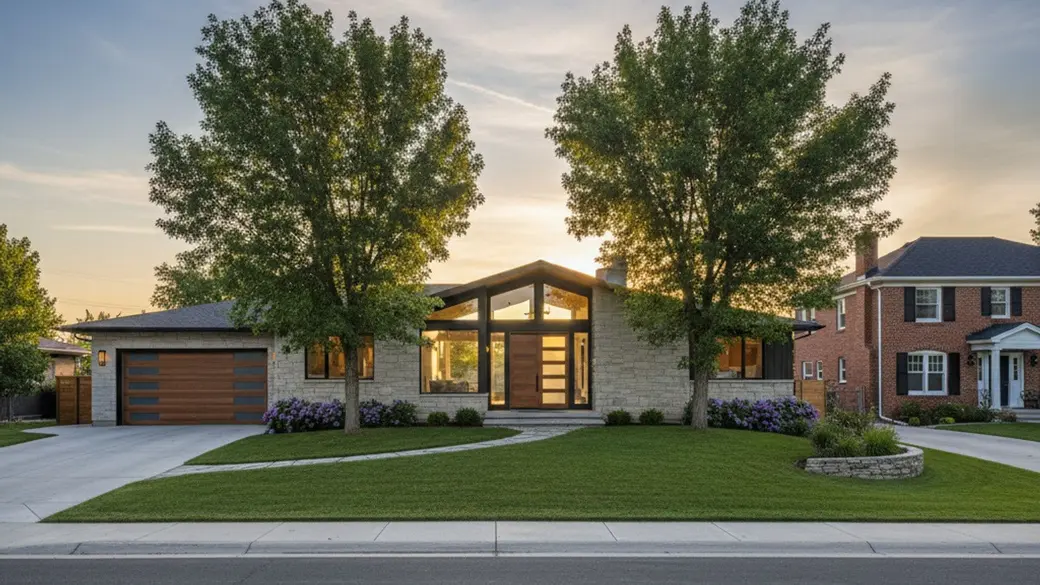
Selling a property in Yellowstone County requires more than just putting a sign in the yard and hoping for the best. As we navigate the real estate landscape in the spring of 2026, buyer demand remains strong but highly sensitive to exact list prices. Home sellers must rely on data-driven approaches rather than guesswork to maximize their return on investment.
The days of throwing an inflated number at the local market and waiting for a bidding war are largely behind us. Today, successful transactions depend on understanding micro-market conditions and positioning your property accurately from day one. Exploring effective pricing strategies in Billings, MT will give you the competitive edge needed to secure top dollar on a reasonable timeline.
Leveraging the right market expertise ensures that you attract serious buyers without leaving money on the table. Whether you are listing a downtown condo or a sprawling suburban property, preparation is your best asset. A well-priced home naturally stands out in the MLS and generates the momentum required for a smooth closing.
The Current State of the Billings Housing Market in 2026
Billings is experiencing a noticeable market shift in early 2026 as supply and demand begin to balance out. While we do not see the extreme volatility of the Bozeman market, local buyers are carefully scrutinizing every listing. Your initial price point serves as your most important marketing tool, requiring a clear understanding of how current mortgage rates impact purchasing power.
Currently, median home prices across the city are ranging from approximately $380,000 to $432,000. This pricing tier represents the bulk of local transactions, but securing a buyer quickly requires precise positioning on the MLS. Properties are averaging between 46 and 106 days on the market, depending heavily on the specific zip code and overall home condition.
Sellers who rely on outdated pricing models from previous years will inevitably sit on the market and watch their listings grow stale. Precise, strategic pricing based on current 2026 data is absolutely mandatory if you want a successful sale. Ignoring these current conditions often leads to a frustrating cycle of price reductions and lost buyer interest.
Evaluating Property Types and Local Price Ranges
Different types of properties command vastly different pricing strategies across the Billings area. Buyers directly compare these distinct property types against each other when evaluating a home's overall value. Understanding where your specific property fits within this local ecosystem is crucial for capturing the right buyer pool.
To set realistic expectations, we must look at how specific categories perform in real time. The following breakdown illustrates how different homes dictate unique approaches to your list price:
-
Entry-level homes and townhouses typically list between $325,000 and $385,000, often serving as a starting point that sparks active competition.
-
Single-family ranch homes remain highly sought after, especially in established neighborhoods where available space is highly valued.
-
Larger West End single-family homes or properties featuring luxury upgrades frequently exceed the $500,000 mark.
-
Increasing builder inventory for new construction directly affects the baseline pricing of existing resale homes nearby.
Objective Factors That Determine Your Home's Value
Determining a competitive list price requires looking past emotional attachments and focusing purely on objective data. Online automated estimates simply cannot account for hyper-local micro-market conditions or the exact quality of your property upgrades. A real estate appraisal provides a much more rigorous evaluation of what your property is actually worth in today's economy.
A formal appraisal relies on recent nearby sales within a one-mile radius over the preceding three to six months. Renovation quality, efficient energy use - such as installed photovoltaics - and overall home condition directly impact this final valuation. Buyers will pay a premium for a well-maintained home, but only if the surrounding comparable sales support that higher number.
Upgrading a kitchen will not guarantee a full return on investment if the recent sales in your immediate neighborhood do not support an inflated list price. Over-improving a property beyond what the local market can bear is a common pitfall that sellers must avoid. You always have to align your upgrades with the established baseline of your specific street to mitigate financial risk.
Neighborhood Features and Proximity to Amenities
Physical distances to Billings landmarks and infrastructure heavily influence buyer interest and overall property values. A quick five to fifteen-minute commute to the downtown center significantly increases a property's appeal to buyers working in the central business district. Similarly, proximity within one to three miles of major healthcare facilities like the Billings Clinic provides a measurable boost to valuation.
Access to outdoor space serves as another major pricing advantage in our region. Properties located within walking distance of Pioneer Park or Riverfront Park often command higher premiums due to the convenience of nearby recreation. School district boundaries also play an objective role, with measured distances to specific elementary or high schools factoring into a buyer's final decision.
Selecting the Right Pricing Strategy for Your Goals
Choosing how to position your property on the market depends heavily on your urgency to sell and current local market updates. Sellers must understand the critical difference between strategic pricing and emotional pricing when evaluating their options. A calculated approach minimizes your risk while maximizing your leverage during the eventual negotiation phase.
A professional comparative market analysis dictates the objective baseline market value of your home. This CMA uses hard data from recent sales and local tax records to establish a realistic price ceiling and floor for your specific property. From there, you can adjust your strategy based on how quickly you need to close the transaction and move forward.
The most dangerous strategy a seller can employ is pricing artificially high with room to negotiate. Homes priced just five percent over market value often sit thirty or more days longer than appropriately priced comps in the exact same zip code. This approach almost always leads to stale listings, lost momentum, and inevitable price reductions that hurt your bottom line.
Pricing at Market Value vs. Slightly Below Market
Pricing precisely at market value is the most reliable way to attract the most qualified current buyer pool without leaving money on the table. This strategy signals to buyers that you are serious and have realistic expectations about the property's worth. It aligns perfectly with what appraisers will eventually validate during the escrow process, ensuring the mortgage approval goes smoothly.
Alternatively, pricing approximately two to four percent below market value can generate multiple offers and spark active competition. This slight underpricing strategy can increase showing traffic substantially during your critical first weekend on the market. However, the current days on market metric in your specific neighborhood should dictate which of these two strategies is safer to deploy today.
Navigating Seasonal Real Estate Trends in Yellowstone County
The time of year you choose to list your home significantly affects your strategy, the buyer pool size, and the average days on market. Montana experiences distinct seasonal shifts that dictate how aggressive or conservative you can be with your asking price. Understanding these local market trends is essential for timing your sale effectively.
The traditional spring market surge typically brings limited inventory together with exceptionally high buyer demand. During the spring and summer months, homes historically sell roughly fifteen to twenty-five days faster than listings posted between November and February. This accelerated timeline allows sellers a bit more leverage during negotiations and often results in cleaner offers.
Conversely, harsh winter weather historically increases days on market and requires much more conservative pricing strategies. Sellers who list in the winter must compensate for lower foot traffic with pristine staging and highly competitive pricing. January is absolutely not the time to test the market with an inflated price if you want a successful outcome.
Frequently Asked Questions About Pricing Your Billings Home
What is the difference between a CMA and an online estimate for home valuation in Billings?
An online estimate uses generalized algorithms that cannot see the interior condition, exact location, or unique features of your property. A comparative market analysis is prepared by a local real estate agent who evaluates hyper-local data and recent nearby sales. This professional market expertise provides a much more accurate and realistic listing price for your specific home.
Is it a seller’s market in Billings right now?
The Billings market in 2026 is experiencing a shifting dynamic where supply and demand are becoming more balanced. While well-priced homes in desirable locations still move quickly, buyers are much more sensitive to overpricing. Sellers must rely on strategic pricing rather than assuming they hold all the negotiation leverage.
How long does it take to sell a home in Billings?
Currently, homes in Billings are averaging between 46 and 106 days on the market. This timeline depends heavily on the property's condition, its specific zip code, and the time of year it is listed. Accurately pricing your home from day one is the most effective way to minimize your days on market.
Categories
Recent Posts

Broker MT License RRE-BRO-LIC-64264
+1(406) 850-3065 | shawna.morales@engelvoelkers.com