
Navigating Seller Disclosures in Billings, MT: What Homeowners Must Know in 2026
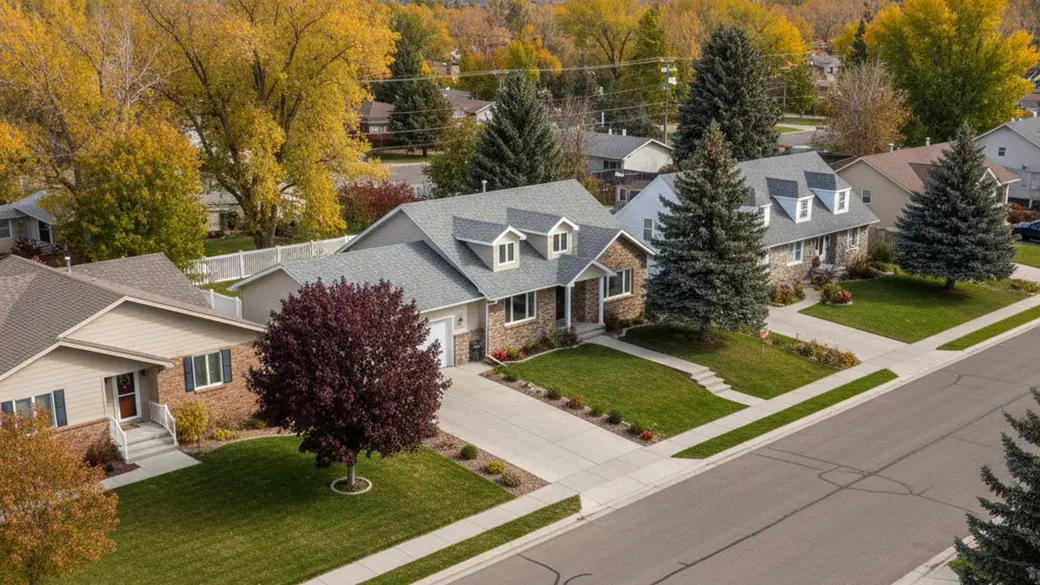
Selling a home in Yellowstone County involves much more than staging the living room and signing a purchase contract. One of the most critical steps in the real estate transaction process is properly filling out the property disclosure form.
Transparency protects both the buyer and the seller from expensive legal battles long after the closing date. Understanding exactly how to handle seller disclosures in Billings, MT ensures a smooth transfer of ownership and a clear title.
As property values in the area remain strong through early 2026, buyers are scrutinizing home inspections and disclosure documents closer than ever. Taking the time to document your home's history accurately is the best way to secure your financial interests and avoid post-closing lawsuits.
Understanding Montana Real Estate Disclosure Laws
Montana operates under a specific legal framework that places a heavy burden of due diligence on the buyer. This legal standard is known as caveat emptor, which translates roughly to buyer beware.
Under this system, buyers are expected to hire their own professionals to conduct a thorough home inspection and uncover potential defects. However, this buyer beware standard does not give a homeowner permission to lie or conceal known issues during a real estate transaction.
Sellers still hold a strict legal obligation to be entirely honest about the property condition when explicitly asked. Failing to share known defects completely undermines the purchase agreement and opens the seller to significant liability.
Caveat Emptor and Adverse Material Facts in Billings
The core of your legal obligation revolves around a concept called an adverse material fact. This term refers to any known issue that negatively impacts the property's value, structural integrity, or poses a documented health risk.
Even in a non-disclosure state, these material defects must be reported honestly to any prospective buyer. For properties in Billings, common examples of adverse material facts include cracked foundations from shifting soil or a history of basement flooding during spring thaws.
While you are not required to hire an inspector to hunt for problems before listing, you absolutely cannot conceal damages you already know about. Honesty is always the most profitable policy when navigating property law.
Federal and State-Mandated Disclosures for Billings Sellers
Beyond the standard property condition questions, sellers must navigate several specific mandates required by federal and state law. Montana requires sellers to provide specific warnings regarding environmental hazards that are common in our geographic region.
One of the most critical documents for Yellowstone County properties is the Montana Radon Disclosure Statement. Because the local soil conditions often lead to elevated radon levels, providing this documentation is a necessary step for a clear real estate closing.
Sellers are also required to disclose any known mold issues to prospective buyers. If the property has a history of mold remediation, providing those documents upfront prevents buyers from feeling misled later in the process.
Why Home Age in Billings Triggers Specific Disclosures
The age of your home dictates whether you need to comply with additional federal regulations regarding hazardous materials. Approximately 35 to 40 percent of the housing stock in Billings was built before 1978, particularly in historic neighborhoods.
If your property falls into this category, federal law mandates that you provide a Lead-Based Paint Disclosure form. You must also supply the buyer with an EPA-approved information pamphlet about lead hazards in residential properties.
Buyers then receive a standard 10-day window to conduct an independent lead paint inspection if they choose. Disclosing this information promptly keeps the timeline moving toward your wire transfer and final closing.
The Standard Property Disclosure Statement in Montana
The primary way sellers communicate the condition of their real property is through the standard Owner's Property Disclosure Statement. This comprehensive document is provided by the Montana Association of REALTORS and covers almost every aspect of the home.
Sellers should fill out this form completely and honestly, relying on their own current knowledge of the property. It is perfectly acceptable to check the "I don't know" box if you genuinely have no knowledge of a specific system's history or condition.
Guessing or assuming the condition of a component is a fast way to accidentally misrepresent the home. Always consult with your real estate agent or a lawyer if you are unsure how to answer a specific prompt on the disclosure form.
Key Structural, Plumbing, and Electrical Systems
The disclosure document asks specific questions about the major mechanical and structural components of the house. Buyers pay close attention to these sections because repairs to these systems often cost tens of thousands of dollars.
The disclosure form requires you to document the age and known condition of several critical property elements. Buyers and their inspectors will carefully review your answers regarding these specific areas:
-
The roof, including any known leaks or recent shingle replacements.
-
Plumbing systems, including the status of any private septic systems common in rural areas outside the city limits.
-
Electrical systems, noting any known faults, unpermitted work, or outdated wiring.
Providing septic permits and routine maintenance records is especially critical for rural Billings sellers. Clear documentation builds buyer confidence and helps justify your asking price.
Legal and Financial Consequences of Nondisclosure
Hiding known material defects from a buyer carries severe risks that extend far beyond a canceled open house. Concealing an adverse material fact is a direct path to legal liability and allegations of real estate fraud.
If a buyer discovers a hidden defect before the final deed is recorded, they can often void the purchase contract entirely. This immediately halts the transaction, forcing you to relist the property with the newly discovered defect now public knowledge.
The consequences are even more expensive if the buyer discovers the concealed issue after moving in. Post-closing lawsuits regarding nondisclosure routinely cost sellers tens of thousands of dollars in legal fees and compensatory damages for home repairs.
Frequently Asked Questions About Billings Property Disclosures
What's the disclosure law in Montana when selling a home?
Montana operates under a buyer beware system, meaning buyers must perform their own due diligence. However, sellers are strictly required by state law to disclose any known adverse material facts about the property. Failing to report known defects can result in severe financial penalties and voided contracts.
Can you sell a house 'as is' in Montana?
Yes, you can list a property "as is" to indicate you will not make any home repairs before closing. Even in an "as is" sale, you are still legally obligated to disclose any known material defects to the buyer. An "as is" clause never protects a seller from the consequences of active concealment or fraud.
Who is required to complete a seller's disclosure statement in Montana?
Nearly all sellers of residential real estate must complete a disclosure statement when listing their property. There are a few narrow exceptions, such as court-ordered transfers or sales between direct family members. Your real estate agent or title company can confirm if your specific transaction requires the standard disclosure form.
Categories
Recent Posts

Broker MT License RRE-BRO-LIC-64264
+1(406) 850-3065 | shawna.morales@engelvoelkers.com