
Exploring the Largest City in Montana: Things to Do in Billings, MT in 2026
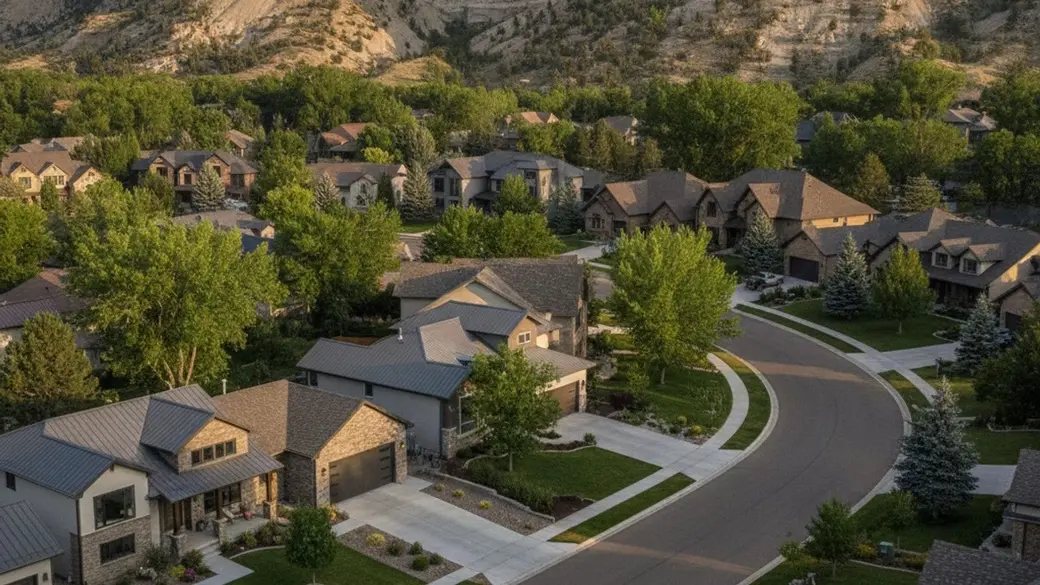
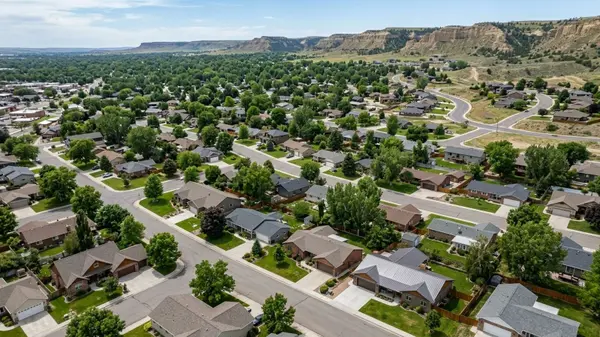
Billings sits in south-central Montana, defined by the sandstone cliffs known as the Rimrocks that run through the middle of town. As the state's largest city, it serves as a central hub for commerce, healthcare, and outdoor recreation.
Buyers moving to the area often want to know what daily life looks like beyond the housing market. The city offers a mix of immediate trail access, a centralized downtown core, and direct routes to several national monuments.
Exploring things to do in Billings, MT gives you a clear picture of the local lifestyle. Whether you prefer hiking along the Yellowstone River or visiting local galleries, the amenities here shape the character of the surrounding neighborhoods.
Exploring the Rimrocks and City Parks
The Rimrocks provide the physical backdrop for the city and offer immediate access to trail networks. Zimmerman Park spans 176 acres along the top of these cliffs.
The park features both paved and unpaved trails used for hiking and biking. Many of these paths connect directly to local residential developments through the broader city trail system.
Just south of the city, Riverfront Park provides access to the Yellowstone River. Residents use this area for trail walking, fishing, and launching small watercraft.
A short drive from the city center brings you to Pictograph Cave State Park. The site features a loop trail leading to ancient rock art, with a nonresident vehicle fee of $8, though entry is free for Montana residents.
Arts, Culture, and Dining in Downtown Billings
The downtown core serves as the primary commercial district, laid out in a walkable grid of historic brick buildings and modern storefronts. The Yellowstone Art Museum sits near the center of this area.
Admission to the museum is $8 for adult nonresidents, while Yellowstone County residents enter for free. The exhibits focus primarily on contemporary western art and regional history.
Nearby, the Alberta Bair Theater hosts live music, touring concerts, and theater productions. The venue holds 1,394 seats and serves as the main performing arts center for the region.
The surrounding blocks contain a dense collection of coffeehouses, craft beer breweries, and local restaurants. Buyers looking at properties near the urban center often prioritize the ability to walk to these dining and entertainment options.
Historic Landmarks and Regional Day Trips
Billings operates as a starting point for exploring the broader history and geography of the United States west. Several national monuments and famous routes are accessible within a short drive from the city limits.
Residents often take advantage of these nearby destinations for weekend trips. The local highway system provides direct routes to several notable locations.
-
Pompeys Pillar National Monument: Located roughly 30 miles east of the city, this rock formation features the physical signature of William Clark from the Lewis and Clark Expedition.
-
Little Bighorn Battlefield National Monument: Sitting about 60 miles southeast, this site marks the 1876 Battle of the Little Bighorn involving George Armstrong Custer, the Crow people, and other tribal nations.
-
Beartooth Highway: Driving south toward Red Lodge, Montana connects you to this high-elevation mountain pass. The route travels through the Beartooth Mountains and offers sweeping views of the alpine landscape.
-
Yellowstone National Park: The northeast entrance to the park is accessible via the Beartooth Highway, making it a common destination for overnight or weekend trips from the city.
Daily Commutes and Local Housing
The local housing market is shaped by the physical layout of the city and its major transportation corridors. Interstate 90 runs east to west through the southern edge of town, while MT-3 provides access to the northern neighborhoods.
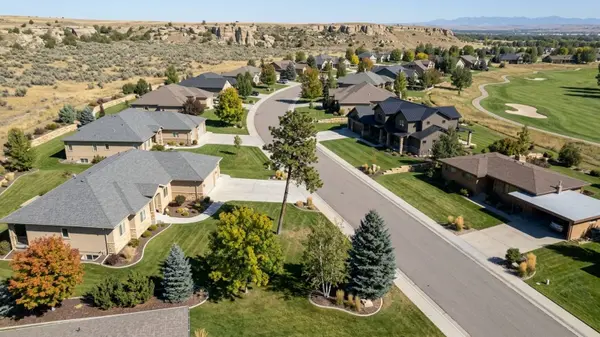
Commute times from most residential zones to the downtown core average between 15 and 20 minutes. Properties situated near the Rimrocks often command a premium for their elevation and proximity to the trail system.
Major employment hubs like the Billings Clinic sit close to the downtown area. Buyers working at these facilities often focus their searches on the central neighborhoods to minimize their daily drive.
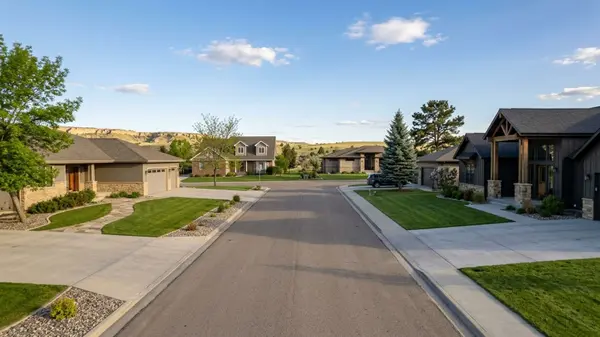
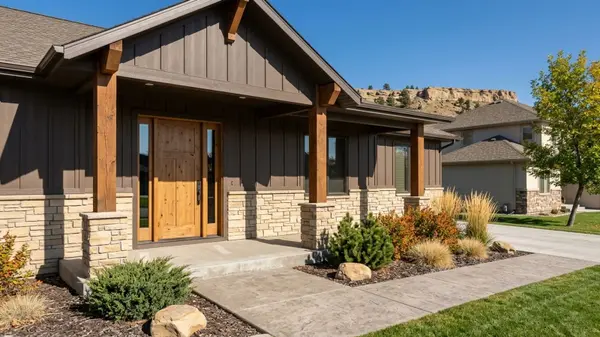
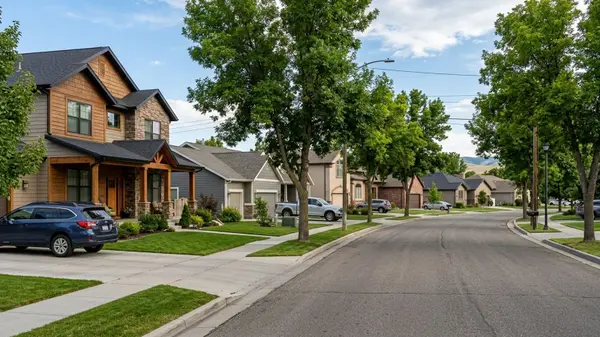
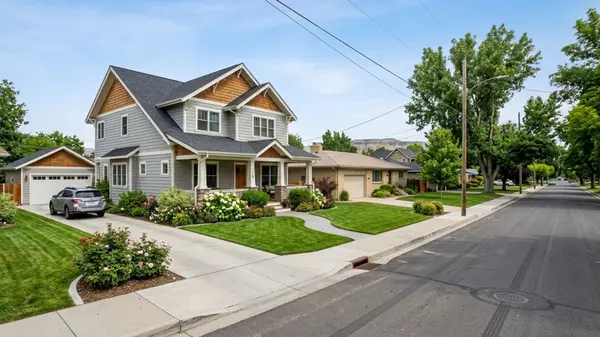
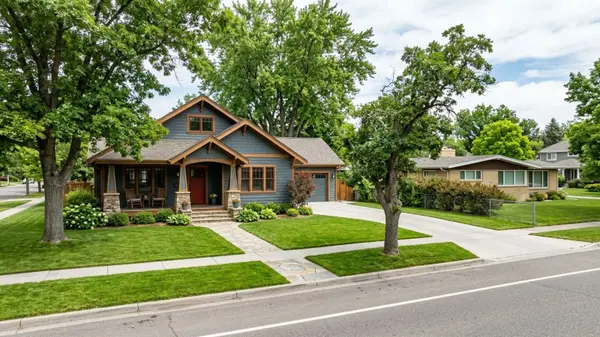
Housing options range from historic single-family homes near the city center to newer construction on the western edge of town. The close proximity to both the airport and the interstate makes regional travel straightforward for residents.
Frequently Asked Questions
Is Billings, Montana worth visiting?
The city offers a clear mix of outdoor access and regional history that appeals to many travelers. Visitors can walk the downtown brewery district in the afternoon and hike the sandstone cliffs by evening. The proximity to major highways also makes it a practical basecamp for exploring the broader state.
What are the top attractions in Billings, Montana?
The Yellowstone Art Museum and the Alberta Bair Theater anchor the downtown cultural scene. Outdoor enthusiasts tend to focus on Zimmerman Park and Riverfront Park for immediate trail access. For history, Pompeys Pillar stands out as a unique physical record of early western exploration.
How far is Yellowstone National Park from Billings?
The northeast entrance to the park is approximately 130 miles away by car. Most drivers take the route through Red Lodge and over the Beartooth Highway. This drive typically takes about two and a half hours, depending on seasonal road conditions.
Categories
Recent Posts

Managing Broker & License Partner MT License RRE-BRO-LIC-64264
+1(406) 850-3065 | shawna.morales@engelvoelkers.com