
Moving to and Living in Billings, MT: What Buyers Need to Know in 2026
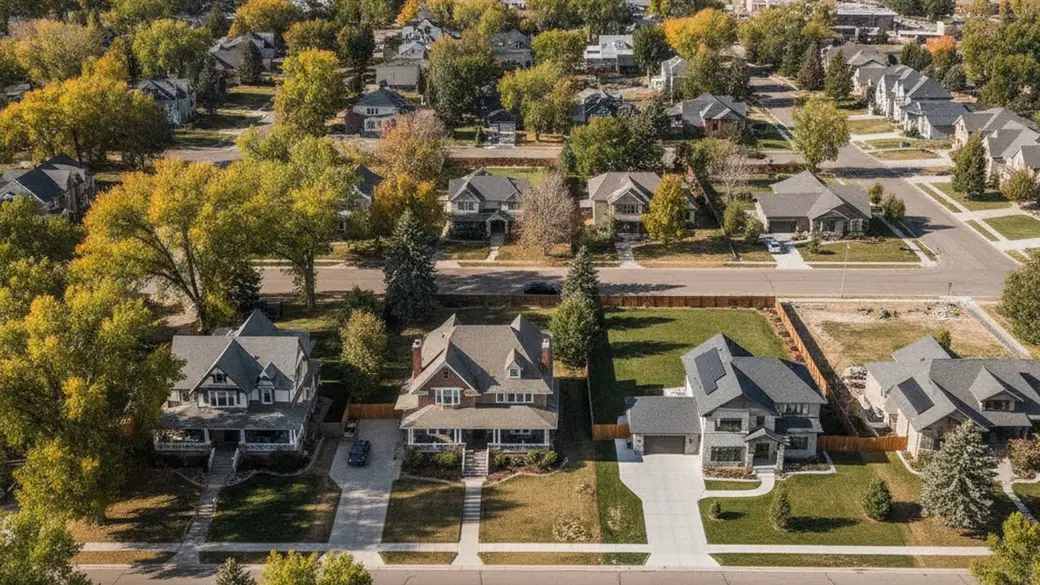
Billings is the largest city in Montana, serving as the economic engine for the southeastern part of the state and northern Wyoming. It offers a distinct blend of urban infrastructure and immediate access to rugged outdoor terrain.
The local housing market has leveled out this year, making it easier for buyers to plan their budgets. If you are considering a relocation, understanding the local economy, property taxes, and daily commute patterns will help you make a sound decision.
What to Expect from Montana's Largest City
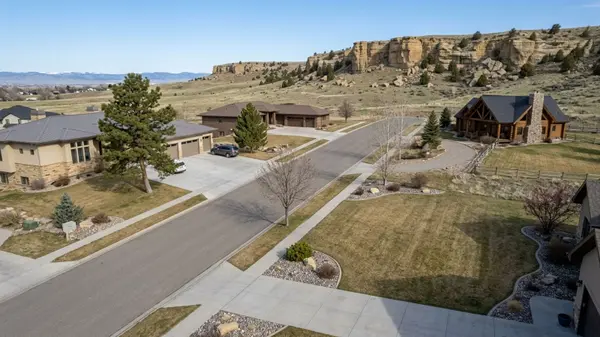
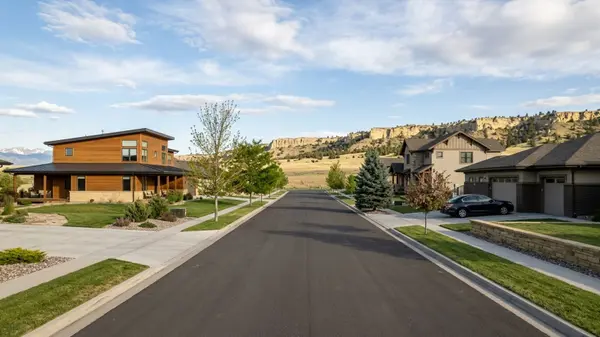
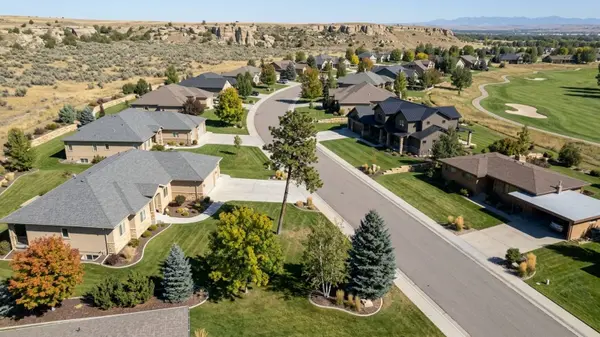
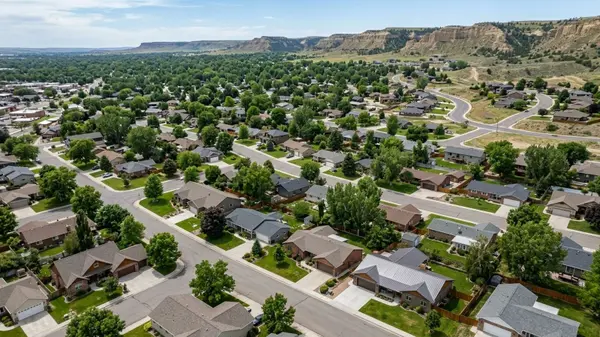
The city sits in the Yellowstone Valley, framed by massive sandstone cliffs known locally as the Rimrocks. This geological feature defines the skyline and provides a natural boundary for urban expansion to the north.
Residents experience four distinct seasons, with winter weather bringing substantial snow and freezing temperatures. The climate in Billings requires preparation, from winterizing homes to outfitting vehicles with appropriate tires.
Despite being the state's most populated area, the lifestyle remains relatively laid-back compared to major coastal metros. You get the amenities of a regional hub without the overwhelming density of a massive urban center.
Real Estate and Housing Costs
The median home value in Billings currently hovers between $390,000 and $410,000. This represents a period of market stability following the rapid price escalations seen a few years ago. Buyers have more time to review options before making an offer.
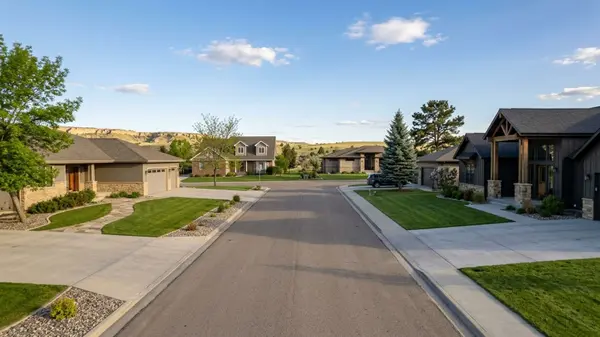
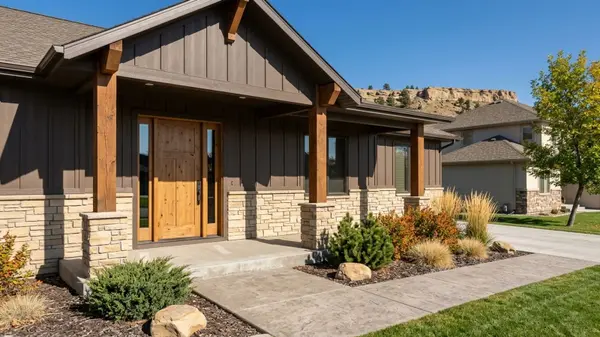
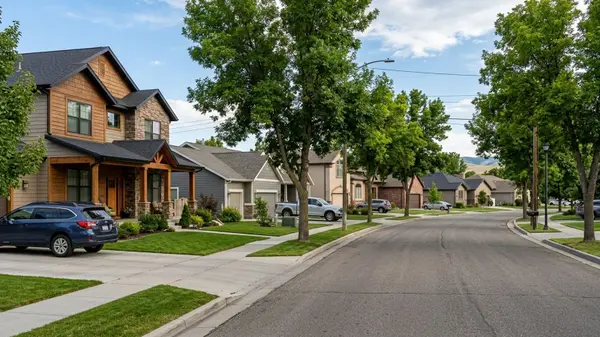
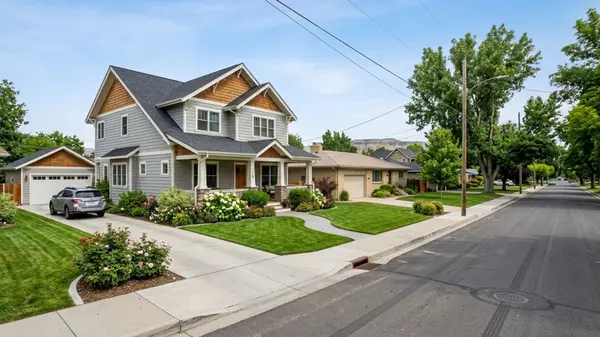
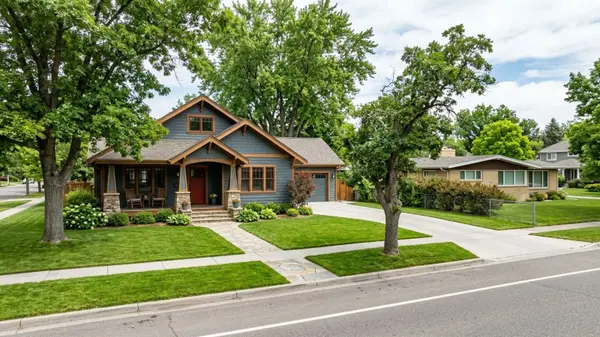
The local inventory includes a mix of housing styles, from early-20th-century builds to new construction subdivisions. Lot sizes often exceed the national average, giving homeowners more square footage and yard space for their money.
Property taxes are an important factor buyers should include in their monthly payment calculations. The effective property tax rate in Yellowstone County sits between 0.88% and 0.97%, which remains moderate compared to other parts of the country.
Neighborhood Profiles: West End, Downtown, and Billings Heights
The West End features much of the city's newer construction, with larger subdivisions and expansive retail centers. This area continues to expand outward, offering modern home designs and quick access to major thoroughfares.
Downtown Billings offers walkable streets, historic architecture, and the core of the local arts and culture scene. Large financial institutions like First Interstate Bank maintain their headquarters here, anchoring the commercial district.
Billings Heights sits to the northeast and provides a wide range of residential options. It operates almost like a self-contained community, featuring its own grocery stores, local restaurants, and direct access to major routes.
Economy and Major Employers
Health care operates as the dominant force in the local job market. Billings Clinic and St. Vincent Healthcare stand out as the largest employers, drawing medical professionals from across the country.
The energy and agriculture sectors also play a massive role in the regional economy. Facilities like the Phillips 66 and ExxonMobil refineries provide hundreds of high-paying industrial and engineering jobs.
Unemployment rates generally remain below the national average due to this diverse economic base. The strong economy makes the area a practical destination for job seekers looking for stability.
Cost of Living and Household Income
Montana charges zero state sales tax, which immediately impacts daily household income and purchasing power. Every dollar goes slightly further when buying groceries, clothing, or big-ticket items.
The overall cost of living index for the area sits around 94 to 95, meaning it is about 5% lower than the national average. Housing costs remain the largest monthly expense, but utility and transportation costs help keep the overall index down.
When compared to other major Montana hubs like Bozeman, MT or Missoula, MT, affordability here is notably better. Buyers priced out of the western mountain towns frequently find more reasonable housing options in Yellowstone County.
Commute Times and Infrastructure
The average commute time for residents driving to work is just 17 to 18 minutes. Traffic congestion is minimal, even during peak morning and evening travel windows.
Interstate 90 runs directly through the southern edge of the city, providing high-speed access to neighboring towns and states. Local arterial roads follow a grid pattern, making it easy to learn the layout by referencing a map of Billings.
For air travel, Billings Logan International Airport offers daily flights to major hubs like Denver, Salt Lake City, and Seattle. This connectivity is a major asset for residents who travel frequently for business.
Education and Health Care Systems
Billings Public Schools operates as the largest school district in the state, managing multiple high schools, middle schools, and elementary facilities. The district serves thousands of students across a wide geographic area.
Higher education options include Montana State University Billings and Rocky Mountain College. These institutions offer undergraduate and graduate programs while contributing to the local arts and culture scene.
The medical infrastructure serves a massive region that extends well beyond city limits. Patients travel from eastern Montana, northern Wyoming, and the Dakotas to access specialized treatments at local hospitals.
Outdoor Recreation and Nature
The Yellowstone River runs right past the city, offering miles of water access for fishing and floating. Residents can launch paddleboards or cast lines just minutes from downtown.
The sandstone cliffs of the Rimrocks feature extensive hiking and biking trails overlooking the valley. Swords Park is a popular spot along the rims, providing paved paths and clear views of the distant Beartooth Mountains.
History and geology intersect at Pictograph Cave State Park, located just south of town. For bigger weekend trips, the northern entrance to Yellowstone National Park is roughly a scenic two-hour drive away.
Is Moving to Billings Right for You?
Relocating to southeast Montana requires balancing the appeal of outdoor access with the realities of a harsh winter climate. The beautiful backcountry is a major draw, but residents need to prepare for snow and sub-zero temperatures.
The combination of a strong job market, zero sales tax, and reasonable housing costs creates a practical environment for homeownership. Buyers should carefully review inventory across different neighborhoods to find the right match for their budget.
If you want city amenities without the gridlock of a major metropolitan area, this region delivers. The local real estate market offers enough variety to accommodate most buyers ready to make a move.
Frequently Asked Questions
Is Billings, MT a good place to live?
For those prioritizing outdoor recreation and steady employment, the city offers a practical balance. The lack of sales tax and a lower-than-average cost of living index help stretch household budgets further. You get regional hub amenities without the severe traffic found in larger coastal cities.
What is the average commute time in Billings?
Most drivers spend about 17 to 18 minutes traveling to work each way. The grid layout and quick access to Interstate 90 keep daily drive times short. Even residents commuting from the far West End to downtown rarely face major delays.
Are home prices rising in Billings, MT?
Values have leveled out to a median between $390,000 and $410,000 this year. The market is showing more stability compared to the sharp spikes seen earlier in the decade. Buyers currently have more time to negotiate and inspect properties before making an offer.
Categories
Recent Posts

Broker MT License RRE-BRO-LIC-64264
+1(406) 850-3065 | shawna.morales@engelvoelkers.com