
Billings vs. Missoula: The Ultimate Montana City Showdown
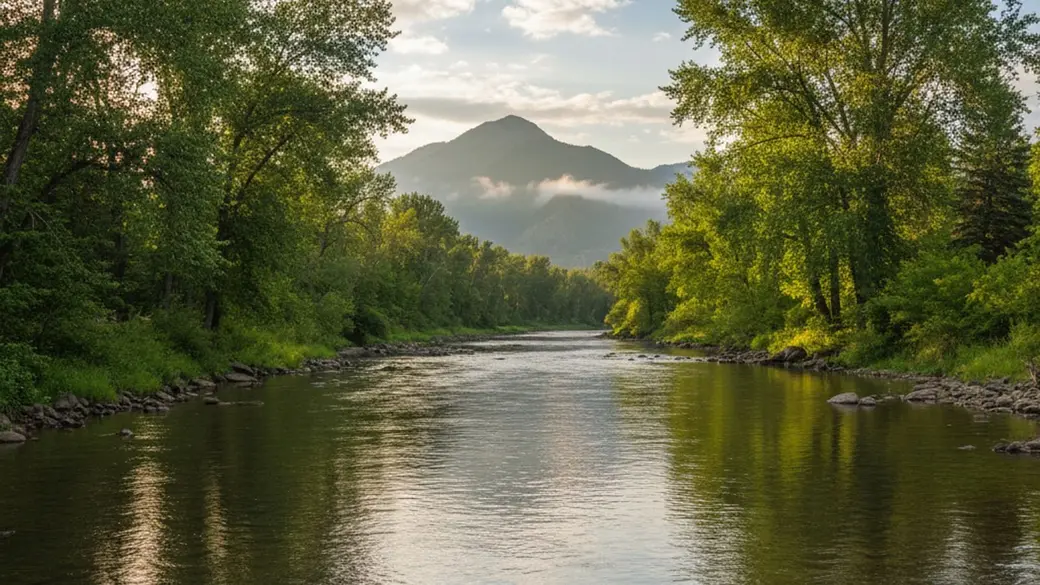
If you are looking to move to the Treasure State, you have likely hit the classic Montana dilemma: Do you choose the industrial powerhouse with the attainable price tag, or the cultural garden city with the stunning mountain backdrop?
It is the heavy-weight bout of the Northern Rockies: Billings (The Magic City) vs. Missoula (The Garden City).
For many buyers, the choice comes down to a battle between head and heart. Missoula often wins on romance—it has the river running right through downtown and the University of Montana culture. But Billings often wins on logic—offering more sunshine, higher average wages, and significantly more affordable housing.
This isn't just a popularity contest. We are going to look at the hard data regarding cost, crime, weather, and lifestyle to help you decide which Montana city is actually right for you.
Vibe & Culture: Western Tradition vs. Progressive Arts
The moment you step off the plane or drive into town, these two cities feel completely different. They may both be in Montana, but they represent two distinct sides of the state’s personality.
Billings feels like the true "West." It has a "get it done" attitude rooted deeply in agriculture, energy, and industry. The culture here leans more conservative and traditional. You are just as likely to see cowboys at a rodeo as you are business executives in suits—and often, they are the same people. It’s unpretentious and pragmatic. If you are looking for a community that values hard work and grit, living in Billings fits that mold perfectly.
Missoula, on the other hand, feels more like the Pacific Northwest than the Rockies. Thanks to the heavy influence of the University of Montana, the vibe is decidedly "Keep Missoula Weird." It is the state’s hub for liberal arts, music festivals, and a hipster aesthetic. You will find more coffee shops, breweries per capita, and art galleries here. The demographic skews younger due to the college population, whereas Billings has a more balanced demographic of working professionals and retirees.
Cost of Living & Housing Market Comparison
Let’s be real about the numbers: this is usually the deciding factor for people relocating here. When it comes to your bank account, the difference between these two cities is stark.
Missoula is significantly more expensive to live in—generally sitting about 20% higher in overall cost of living compared to Billings. The primary driver of this gap is housing. Missoula has dealt with a severe housing shortage for years, exacerbated by high demand from out-of-state buyers and the university population.
If you are looking at the housing market, here is what you can expect for median home prices in the 2026 market:
-
Billings Median Price: $375,000 – $426,000
-
Missoula Median Price: $550,000 – $650,000
The rental market tells a similar story. A standard two-bedroom apartment or small home that might cost you $1,500 per month in Billings could easily run $1,900 or more in Missoula.
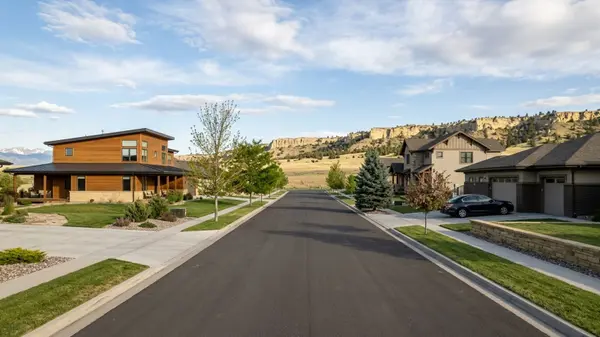
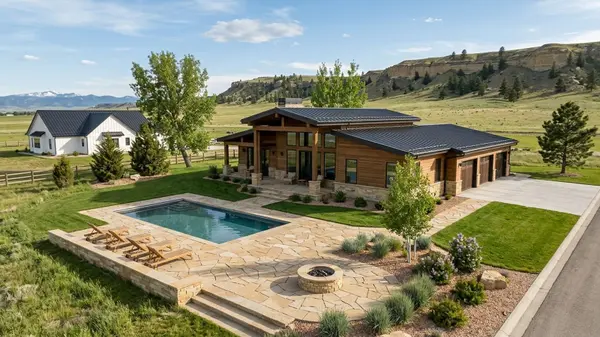
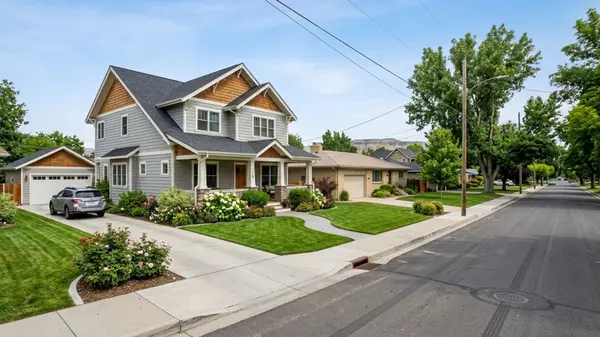
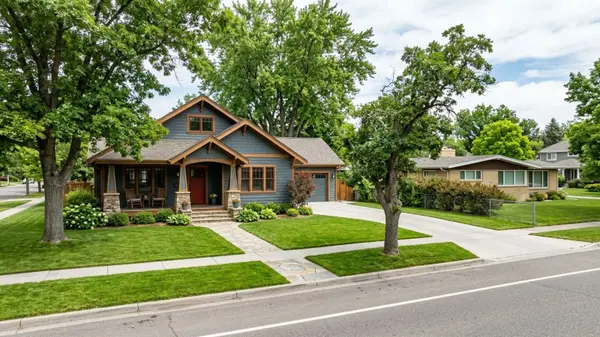
The value proposition in Billings is simply stronger. You get "more house for your money" here. In Billings, $500,000 can buy you a spacious, updated home in a desirable neighborhood. In Missoula, that same budget often limits you to a fixer-upper or a small condo. For buyers watching Billings real estate market trends, the stability and affordability here are major draws.
Job Market & Economy: Industry vs. Education
How you make your money is just as important as how you spend it. The economic engines of these two cities run on very different fuels.
Billings is the economic hub for a massive five-state region (Montana, Wyoming, and the Dakotas). It is a center for trade, distribution, and energy. The healthcare sector here is massive, anchored by the Billings Clinic and Intermountain Health, which are two of the largest employers in the state. Because of the refineries and trucking logistics, there is a high density of recession-resistant, blue-collar, and medical jobs that pay well.
Missoula’s economy is heavily driven by the University of Montana, tourism, and the service industry. While there is a growing tech scene, the average wages in Missoula often struggle to keep up with the soaring cost of housing. In Billings, the ratio between local wages and home prices is much more favorable for the average worker.
Weather & Geography: Chinooks vs. Inversions
Locals will tell you that the weather is the second most important factor after housing costs. While both cities experience "Montana Winter," the experience is radically different due to geography.
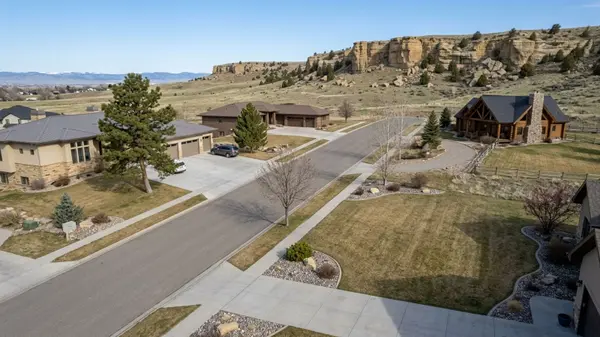
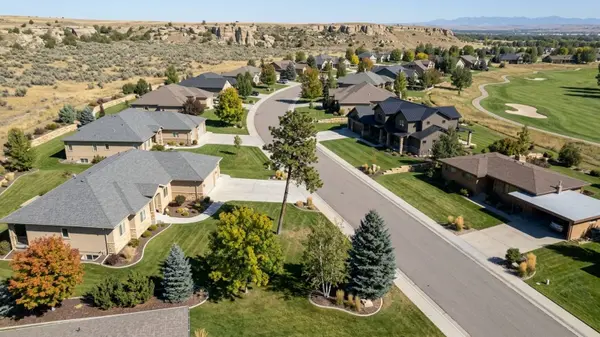
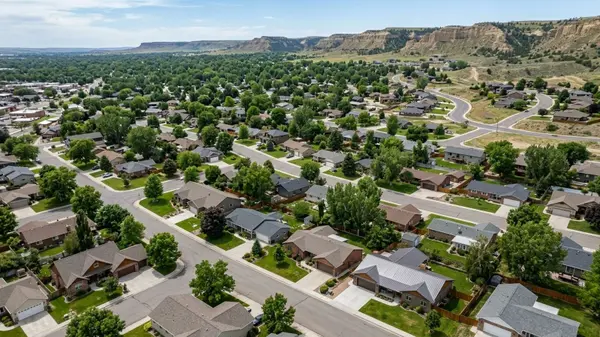
Billings sits on the High Plains, framed by the famous Rimrocks (sandstone cliffs) and the Yellowstone River. It is open, windy, and surprisingly sunny. Billings averages around 205 sunny days a year.
Missoula is situated in a mountain valley (the Five Valleys), with the Clark Fork River winding through it. While the steep slopes are beautiful, they trap air. This leads to a winter phenomenon called an "inversion," where cold air and gray clouds get stuck in the valley for days or weeks at a time.
The Chinook Factor: Billings benefits from "Chinook winds"—warm winds that blow off the Rockies. It is not uncommon for Billings to be 10 degrees one day and 50 degrees the next because a Chinook rolled in and melted the snow. Missoula rarely gets this relief. While Billings might get colder actual temperatures on the thermometer, it often feels warmer and nicer in the winter because of the sun and the wind.
Outdoor Recreation: Plains vs. Mountains
If you are moving to Montana, you probably want to play outside. Both cities are world-class, but they offer access to different types of terrain.
Missoula wins for "in-town" nature access. You can hike "The M" on Mount Sentinel or float the Clark Fork River right through the middle of downtown. The Montana Snowbowl ski area is only about 20 minutes away. If you want to finish work at 5:00 PM and be on a trail by 5:15 PM, Missoula is hard to beat. It is also the natural gateway to Glacier National Park.
Billings offers a different kind of adventure. The Rimrocks provide excellent climbing and mountain biking right in the city limits. However, Billings is also the gateway to the wilder, more rugged Beartooth Mountains. Red Lodge Mountain (for skiing) is about an hour away, and the Beartooth Highway offers one of the most scenic drives in America into Yellowstone National Park. Billings is also generally better for motorized recreation (ATVs, dirt bikes) and hunting access due to the surrounding prairie and public lands.
Crime Rates & Safety Stats
Safety is a top priority for anyone looking for homes for sale in Montana. This is a topic where data and perception often clash.
Statistically, Billings has higher rates of violent and property crime per capita than Missoula. You will often see reports citing Billings as having some of the highest crime stats in the state. However, context is vital. Much of this crime is concentrated in very specific corridors and is often transient in nature.
On the other hand, Missoula has a more visible issue with homelessness and camping in public spaces. Visitors often comment that the parks and riverfront areas in Missoula feel less accessible due to encampments, whereas Billings—while having its own issues—feels different at the street level.
Ultimately, both are the largest urban centers in Montana. They both face "big city" challenges that you won't find in smaller towns like Kalispell or Bozeman.
Summary: Pros and Cons at a Glance
If you are still weighing the options, here is the quick breakdown of the trade-offs.
Billings Pros:
-
Affordability: You can actually buy a house here on a normal salary.
-
Sunshine: Winters are brighter and broken up by warm Chinook winds.
-
Economy: Strong job market in medical, energy, and industrial sectors.
-
Healthcare: Access to the state’s best medical facilities.
Billings Cons:
-
Crime Stats: Statistically higher crime rates than other MT cities.
-
Scenery: It is high plains and prairie, which some find less scenic than the mountains.
-
Sprawl: It is a car-dependent city; not very walkable.
Missoula Pros:
-
Scenery: Lush, green, and surrounded by steep mountains.
-
Culture: Vibrant arts, music, and university scene.
-
Walkability: A bustling, walkable downtown and river trail system.
-
Summer: The summers are mild and beautiful.
Missoula Cons:
-
Cost: High housing costs that often outpace local wages.
-
Gray Winters: Inversions can lead to weeks of gloom.
-
Traffic: The valley geography creates significant congestion.
Frequently Asked Questions
Is Billings or Missoula bigger?
Billings is significantly larger. The Billings Metro area has a population of approximately 184,000, while the Missoula Metro area is closer to 120,000. Billings serves as the commercial anchor for a much wider region of the US.
Which city is colder, Billings or Missoula?
Billings often records lower absolute temperatures on the thermometer, but it is sunnier and drier. Missoula tends to stay consistently damp and chilly in the winter due to valley inversions that block the sun, making it feel colder to many residents.
Is it cheaper to live in Billings or Missoula?
Billings is the clear winner for affordability. Between lower housing prices, cheaper gas, and general goods, the cost of living in Billings is roughly 20% lower than in Missoula.
Which city is better for lifestyle and amenities?
This depends entirely on what you value. If you prioritize access to arts, walkable neighborhoods, and a college-town atmosphere, Missoula is the better choice. If you prioritize financial freedom, a larger backyard, and access to motorized recreation or hunting, Billings offers a better lifestyle fit.
Categories
Recent Posts

Managing Broker & License Partner MT License RRE-BRO-LIC-64264
+1(406) 850-3065 | shawna.morales@engelvoelkers.com