
Billings, MT vs. Bozeman, MT: A Tale of Two Montanas
If you are looking at moving to Montana, you might assume the lifestyle is the same across the board: mountains, wide-open spaces, and cowboy boots. But the reality is that Montana isn't one monolithic culture. When you compare Billings and Bozeman, you are looking at two very different ends of the spectrum.
Locals often describe Billings—the "Magic City"—as the practical, working hub of the state. It’s industrial, medical, and notably more affordable. On the other hand, Bozeman has earned the nickname "Bozeangeles" due to its rapid growth, trendy atmosphere, and resort-style pricing.
If you are trying to decide between the two, the choice usually comes down to two things: your budget and how you spend your weekends. Let’s break down the real differences so you can decide which version of Montana fits your life.
Cost of Living & Housing Market: The Decision Maker
Let’s start with the numbers, because this is often where the decision is made for most buyers. The housing gap between these two cities is massive.
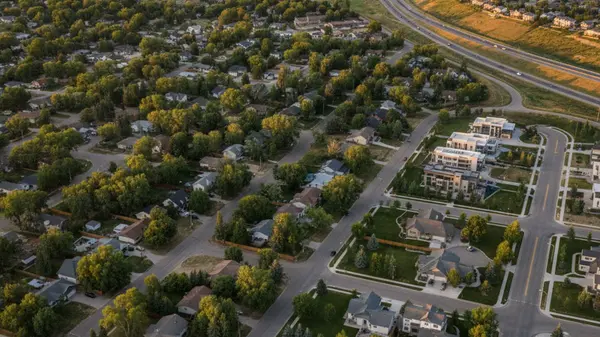
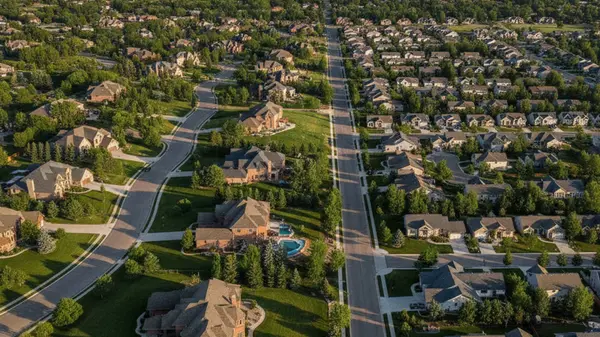
In Billings, the market is competitive but grounded in reality. You can still find a comfortable single-family home in a solid neighborhood without breaking the bank. The median home price here hovers around the $379,000 to $390,000 range. It’s a place where a dual-income household can typically afford to buy.
Bozeman is a different animal entirely. Driven by high demand and limited inventory, the median home price in Bozeman often sits between $645,000 and $700,000, with many desirable properties pushing well past the million-dollar mark. Renters feel the pinch, too. While a standard one-bedroom apartment in Billings might run you about $1,375, you are looking at premium resort pricing in Bozeman, often exceeding $2,100 a month.
Here is a quick glance at how the costs stack up:
-
Median Home Price: Billings (
$390,000) vs. Bozeman ($700,000+) -
Average Rent (1-bed): Billings (
$1,375) vs. Bozeman ($2,100+) -
Overall Cost of Living: Bozeman is approx. 34% higher than Billings
Day-to-day expenses like gas and groceries are relatively comparable, but you will notice a "tourist tax" feel on services and dining in Bozeman. If you are looking for affordable neighborhoods in Billings, you simply have many more options than in the Gallatin Valley.
Job Market & Economy: Blue Collar vs. Tech & Tourism
The economic engines driving these cities are as different as their housing markets.
Billings is the regional economic hub for a massive geographic area that includes Montana, Wyoming, and the Dakotas. The economy here is "boots and scrubs." It is driven heavily by the energy sector (refineries and oil), agriculture, and healthcare. The Billings Clinic and Intermountain Health are massive employers, making the city a medical corridor for the entire region. If you work in healthcare or heavy industry, Billings is likely where the jobs are.
Bozeman’s economy has shifted toward a mix of higher education, tech, and tourism. Anchored by Montana State University, the city attracts academics, students, and a growing number of tech startups. It has also become a haven for remote workers who bring their jobs with them. The work culture here feels less industrial and more "laptops and Patagonia vests."
Lifestyle, Politics, and Vibe
When you are living in Billings, you are in a city that feels like a traditional community. The demographic is balanced, with a mix of young professionals, families, and retirees. Politically, Yellowstone County tends to lean conservative, reflecting the city’s industrial and agricultural roots. The social scene revolves around diverse dining, local dive bars, and big community events at the MetraPark.
Bozeman offers a distinct college-town energy. Thanks to the university, the median age is about nine years younger than in Billings. Gallatin County leans more progressive and liberal, similar to other mountain resort towns in the West. The downtown strip is polished, filled with boutique shops, upscale breweries, and coffee roasters.
If you prefer a pragmatic city with less "resort" crowds, Billings is the move. If you want a trendy, energetic vibe and don't mind the bustle of tourism, Bozeman delivers.
Geography & Outdoor Access: Mountains vs. Rimrocks
Both cities offer incredible access to the outdoors, but the landscape—and how you interact with it—is different.
Bozeman is the alpine choice. It sits in a mountain valley surrounded by ranges. If you live to ski, this is your spot. You have immediate access to world-class slopes at Bridger Bowl and Big Sky. The hiking here is steep, alpine, and forested. However, winter hits hard here. It gets more snow, and the cold tends to stick around longer.
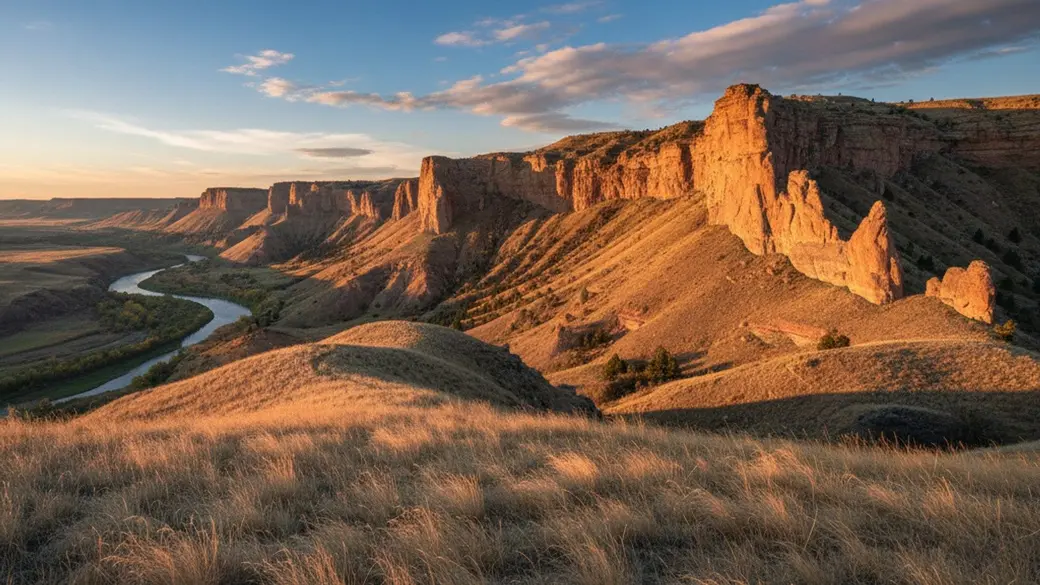
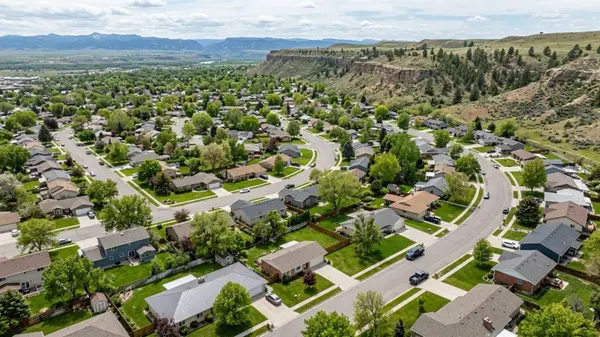
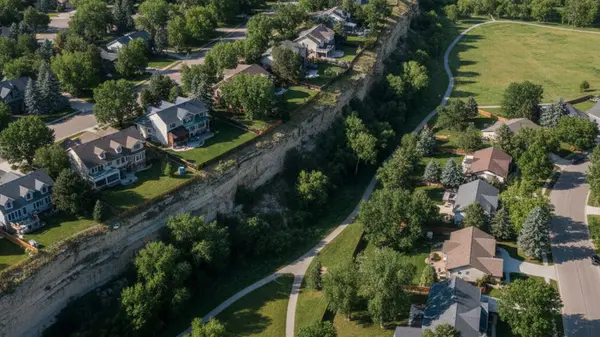
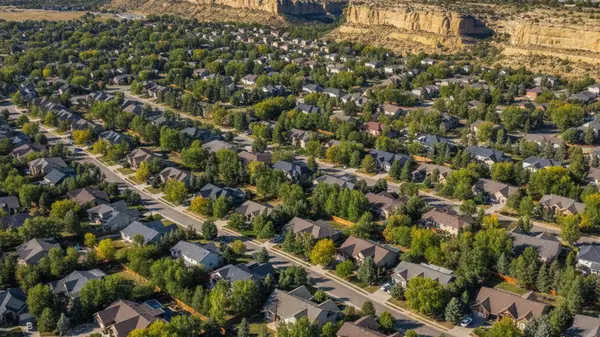
Billings is the high plains choice. The city is defined by the Rimrocks—massive sandstone cliffs that border the town—and the Yellowstone River. While you aren't living in the mountains, you have great views of them. The recreation here focuses more on hunting, fishing in the river, and biking along the cliffs.
A major point for Billings livability is the "Chinook" winds. These warm winds blow through frequently in the winter, melting snow quickly and giving residents a break from the deep freeze. Bozeman generally stays white and cold for the duration of the season.
Also, consider your travel needs. Billings Logan International Airport (BIL) is located on top of the Rims and is generally more reliable in winter weather than the airport in Bozeman, which can suffer from valley fog and mountain storms.
Crime Rates & Safety Statistics
Safety is always a top concern when moving to Montana, and it is important to look at the context behind the numbers.
Statistically, Billings has a higher crime rate per capita than Bozeman, particularly regarding violent crime (roughly 1 in 133 residents). However, locals will tell you that this is often concentrated in specific downtown or industrial corridors. Most residential areas, such as the West End or the Heights, feel very different from the statistics.
Bozeman generally has lower violent crime rates (roughly 1 in 303 residents), but it is not immune to issues. As the wealth gap widens in the area, property crime has been a rising concern. When looking at homes for sale in either city, it is smart to research specific neighborhood data rather than relying solely on city-wide averages.
Verdict: Which Montana City is Right for You?
Choosing between these two comes down to what you value most in your daily life.
You should choose Bozeman if:
-
Budget is not a major constraint for you.
-
You prioritize skiing and alpine sports above all else.
-
You prefer a younger, progressive college-town atmosphere.
You should choose Billings if:
-
You want more house for your money and a lower cost of living.
-
You work in healthcare, energy, or industrial sectors.
-
You prefer a pragmatic city with milder winters and fewer tourists.
Frequently Asked Questions
Is Billings or Bozeman cheaper to live in?
Billings is significantly cheaper. Housing costs in Billings are roughly half of what you would pay in Bozeman, and daily expenses like rent and services are much lower, making your dollar go further in the Magic City.
Which city is closer to Yellowstone National Park?
Bozeman is closer to the West and North entrances, making it a faster drive for year-round park access. Billings is the gateway to the Beartooth Highway (the Northeast entrance), which is arguably the most scenic route but is only open seasonally during the warmer months.
Is Billings bigger than Bozeman?
Yes, Billings is much larger. It is the largest city in Montana with a population of roughly 117,000 to 121,000. Bozeman is growing fast but is still smaller, with a population around 58,000.
Does Billings have mountains like Bozeman?
Billings is located in the high plains rather than a mountain valley. While it features the Rimrocks (sandstone cliffs) and offers views of the Beartooth Mountains in the distance, it does not have the "living in the mountains" feel that Bozeman offers.
Categories
Recent Posts


Broker License ID: RRE-BRO-LIC-64264
+1(406) 850-3065 | shawna.morales@engelvoelkers.com