
Moving to Big Sky Country: The Cost of Living in Billings, MT in 2026
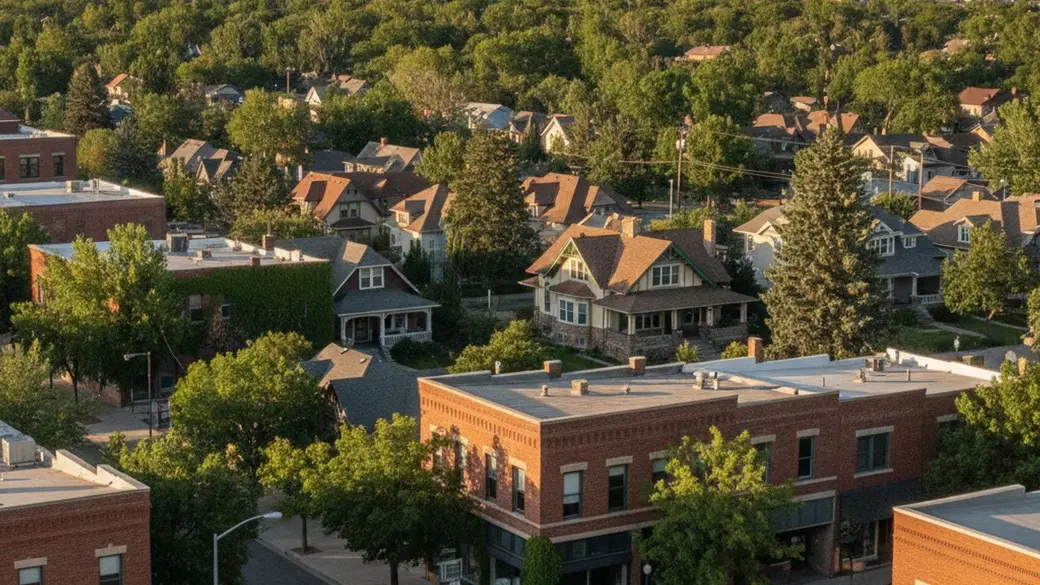
Billings serves as the economic hub of Montana, drawing residents who want access to outdoor recreation alongside established city infrastructure. The overall Cost of Living in Billings, MT balances lower housing expenses against slightly higher prices for specialized services.
As of mid-2026, the local market reflects steady growth driven by consistent regional employment. Understanding the specific expenses required to live here helps prospective homebuyers build an accurate monthly budget before making an offer.
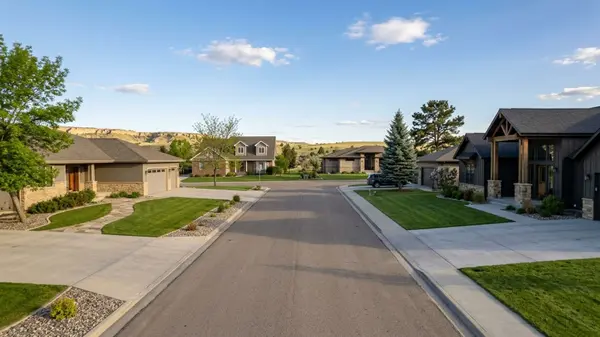
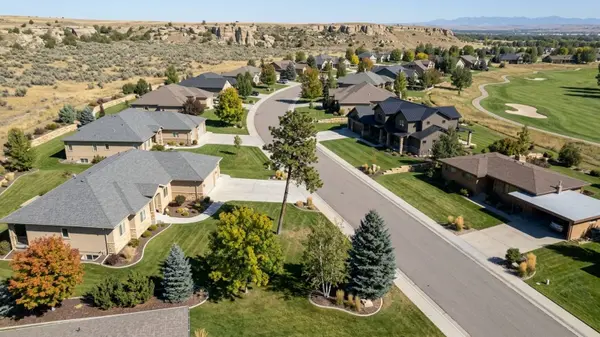
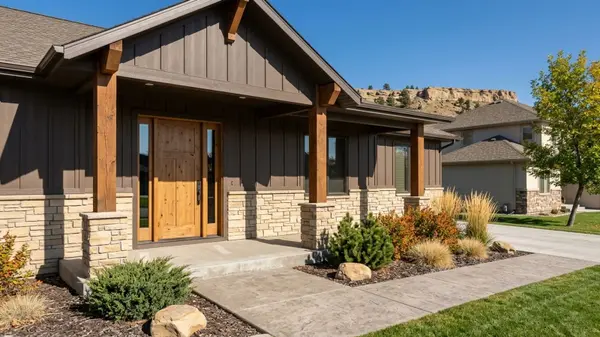
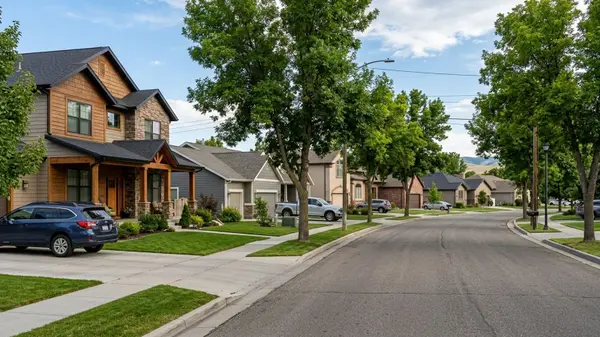
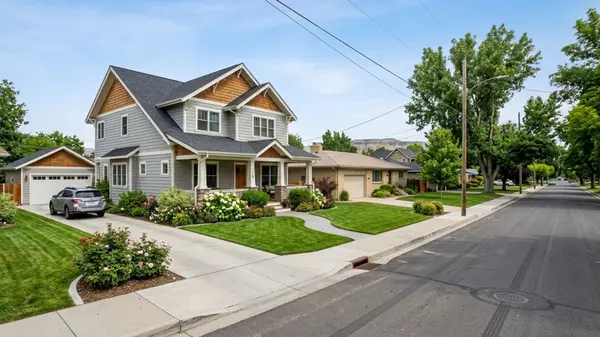
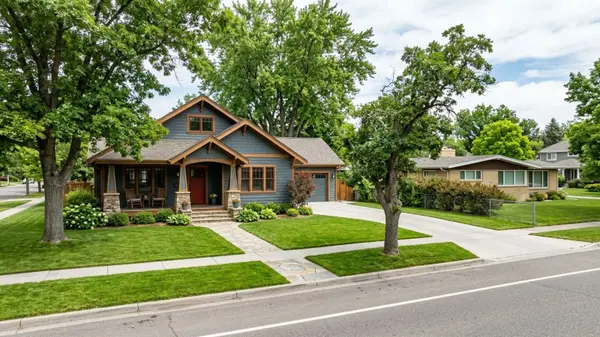
What to Expect for Housing and Real Estate
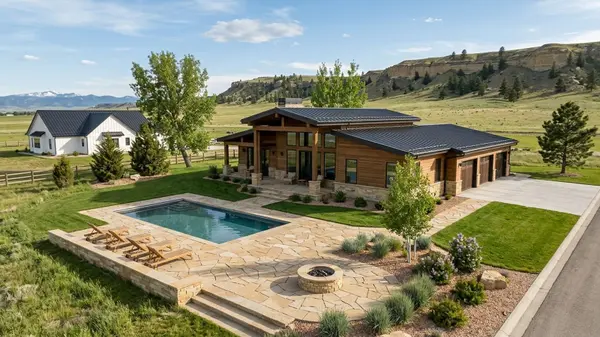
The median single-family home price in Billings sits between $370,000 and $395,000 as of mid-2026. This range keeps the local cost of housing slightly lower than the national average. Prices vary significantly depending on the neighborhood and property condition.
Renters entering the market can expect average rent prices to range from $1,255 to $1,400 per month. These figures apply to a mix of apartment complexes and single-family rental homes across the city. Securing a lease typically requires a standard security deposit equal to one month of rent.
Homeowners should factor local property taxes into their monthly carrying costs. Yellowstone County uses a tiered property tax rate system for primary residences, with the effective rate starting between 0.76% and 0.88%. Buyers should verify the exact tax history of a property during the inspection period.
Monthly Utility Bills and Grocery Receipts
Monthly utility bills in Billings average $164 to $220, which runs roughly 18% lower than the national average. Winter heating demands drive the upper end of that range, as temperatures drop well below freezing from November through March. Upgraded insulation and modern windows can lower these monthly heating costs.
Food costs present a different picture, with local grocery prices tracking approximately 3% higher than the national average. Transportation logistics for getting fresh produce into Montana contribute to this slight premium at the checkout counter. Local farmers markets offer seasonal alternatives for household staples.
Montana does not have a state sales tax, which provides immediate savings on everyday retail purchases. This zero-percent rate lowers the overall cost of living by keeping more money in your pocket when buying clothes, electronics, and household goods. Buyers moving from high-tax states often notice this difference immediately.
Getting Around and Healthcare Expenses
Commuting and general transportation costs in Yellowstone County run roughly 4% to 5% above the national average. Most residents rely on personal vehicles to get around, utilizing Interstate 90 to cross the city or reach surrounding communities. Gas prices fluctuate based on regional supply lines.
The average commute time remains under 20 minutes for most local drivers. Those who prefer public transportation can use MET Transit, the city's bus system. This service provides fixed routes connecting major employment centers and shopping districts.
Healthcare costs track roughly 10% above the national average. Billings serves as the primary medical center for a massive geographic region, anchored by major facilities like the Billings Clinic. Residents benefit from access to specialized care, though insurance premiums and out-of-pocket expenses reflect the regional premium.
Parks, Recreation, and Daily Life
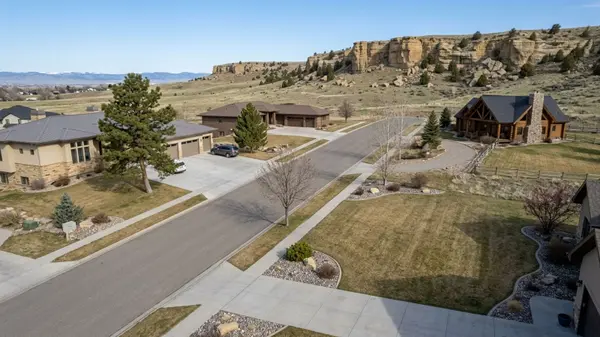
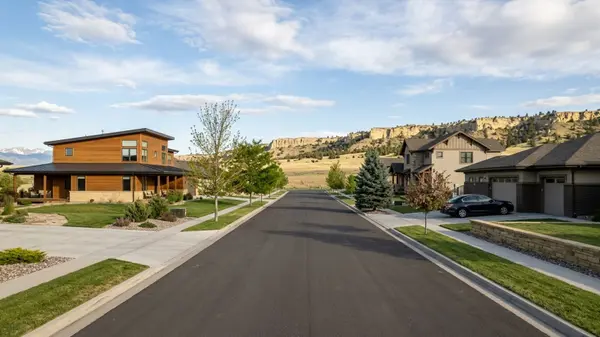
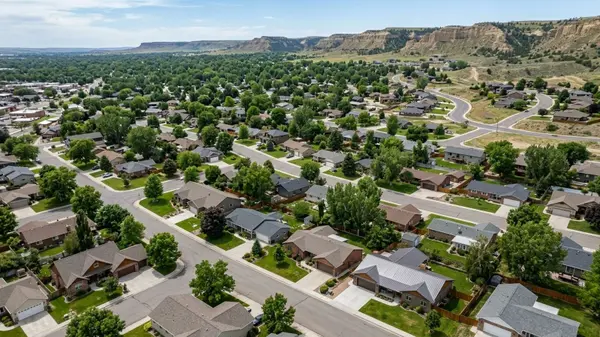
Billings maintains over 40 public parks, including the centrally located Pioneer Park, which offers sports fields, tennis courts, and walking paths. The city sits adjacent to the Rimrocks, a massive sandstone formation providing miles of hiking trails and scenic overlooks. These geographic features define the local landscape and offer free outdoor recreation.
The Yellowstone River runs along the southern edge of town, offering fishing and floating access just minutes from major shopping districts. Retail centers are clustered primarily along the West End, providing easy access to national box stores and local shops. This layout concentrates heavy traffic away from older residential blocks.
Prospective buyers reviewing the area often look at local crime statistics alongside property values. The Billings Police Department publishes annual reports detailing incident rates by neighborhood. Residents can review this data directly when choosing where to buy or rent.
Frequently Asked Questions
Does Montana have a sales tax?
The state of Montana does not collect a general sales tax on retail purchases. Shoppers pay exactly the sticker price for clothing, electronics, and most consumer goods. Some local jurisdictions may apply small resort taxes, but Billings is not a designated resort community.
What is a good salary in Billings, Montana?
A comfortable median household income depends on your specific housing choices and debt levels. Earning between $65,000 and $75,000 annually allows a single person to cover median rent, utilities, and transportation while maintaining savings. Buyers aiming for a $380,000 home will typically need a combined household income closer to $95,000 to keep their debt-to-income ratio manageable.
Categories
Recent Posts

Managing Broker & License Partner MT License RRE-BRO-LIC-64264
+1(406) 850-3065 | shawna.morales@engelvoelkers.com