
A 2026 Guide to the Average Rent in Billings, MT
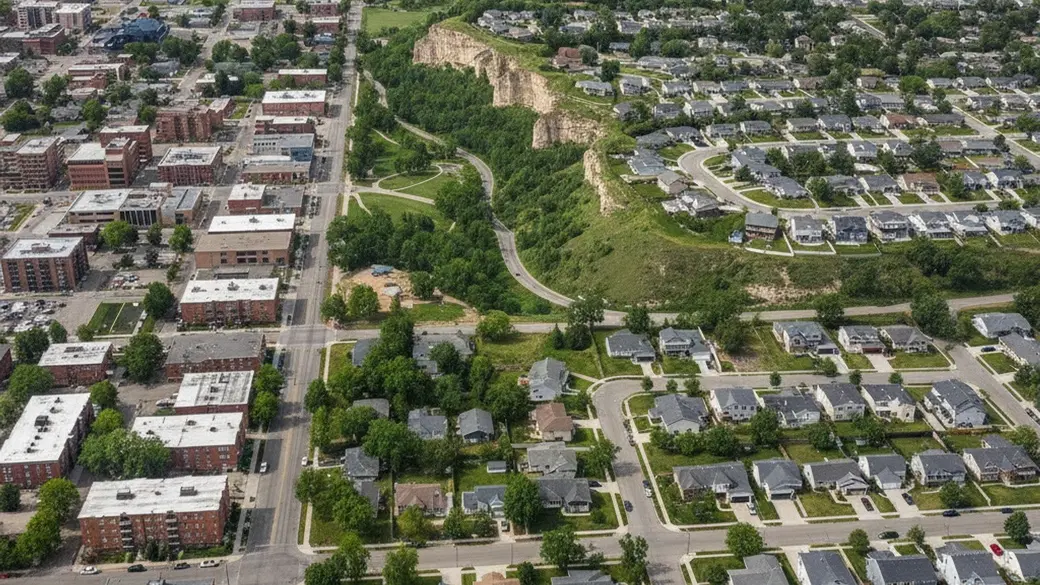
The median rent in Billings, MT sits between $1,350 and $1,400 per month as of mid-2026. Overall housing costs here remain roughly 25% to 30% lower than the national average. Renters looking at the local market will find a mix of older downtown apartments and newer developments on the edges of town.
Finding a lease that fits your budget depends on the property type and the specific side of town you target. Inventory has stabilized over the last year, giving tenants more options when touring available homes. Knowing the standard pricing tiers helps you recognize a fair deal before signing a lease agreement.
How Local Lease Rates Compare to National Averages
The overall Average Rent in Billings, MT ranges from $1,255 to $1,513 across all property types. This pricing tier keeps the city more affordable than many comparable urban centers in the Rocky Mountain region. Data from the United States Census Bureau consistently places local housing costs well below major coastal markets.
Year-over-year rental market trends show a steadying of prices after the sharp increases seen a few years ago. Landlords and property management companies are offering more standard 12-month lease terms without large annual hikes. Renters entering the market this year will see a healthy supply of units, reducing the pressure to bid over the asking price for standard apartments.
Typical Pricing Based on Unit Size
Square footage and bedroom count are the primary factors driving lease prices in the city. A renter looking for a smaller space will pay noticeably less than a group needing a multi-bedroom layout. Studio layouts are the most cost-effective option, though they are less common outside the city center.
Renters seeking single-family available homes will find prices scale up quickly once a yard and garage are included in the package. Tenants should evaluate their space needs carefully before committing to a larger unit. Here is what tenants typically pay per month based on the size of the apartment:
-
Studios: These smaller units average between $935 and $1,058 per month.
-
1-bedroom apartments: Renters can expect to pay between $950 and $1,369 per month.
-
2-bedroom apartments: These layouts typically run from $1,250 to $1,572 per month.
-
Single-family homes: Houses and multi-level units generally start around $1,800 and can exceed $2,500 based on condition and location.
Housing Costs Across Local Areas
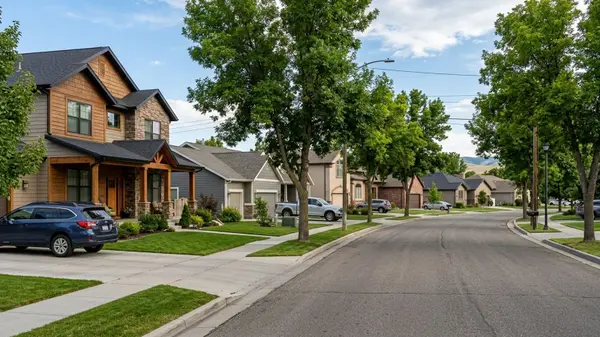
Prices fluctuate noticeably depending on which part of the city you choose to live in. The age of the housing stock and the style of the buildings change as you move outward from the city center. Tenants looking for historic brick buildings will focus on different zip codes than those wanting modern suburban complexes.
Property management companies price their units based on proximity to major roadways and local commercial hubs. Renters should factor in their daily drive when comparing the rent prices by neighborhood. The three main sections of the city offer distinct housing styles and price points.
Downtown Billings
The central business district features a high concentration of studios and 1-bedroom apartments. This area offers the most walkability in the city, allowing residents to reach restaurants and offices without a car. Rents here often reflect the convenience of an urban layout, with renovated lofts commanding premium prices.
Parking is a factor to consider when renting in this part of town. Many older buildings lack dedicated parking lots, meaning tenants may need to pay for a monthly garage pass.
West End and Shiloh
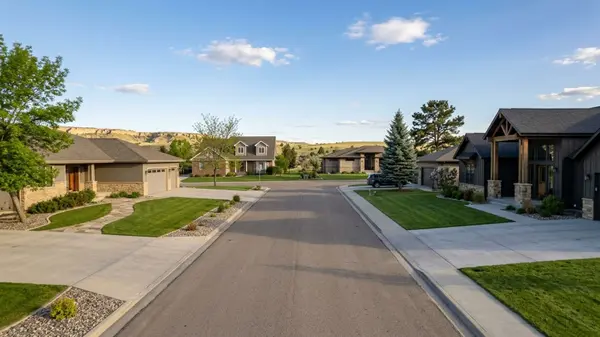
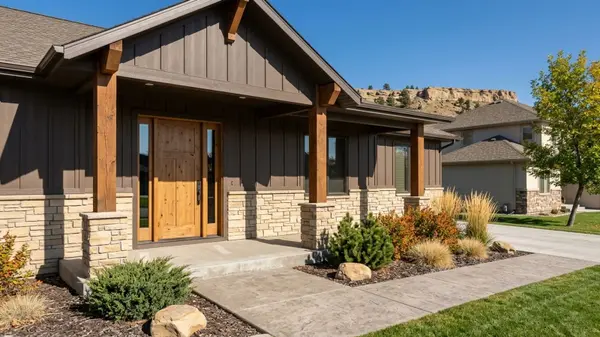
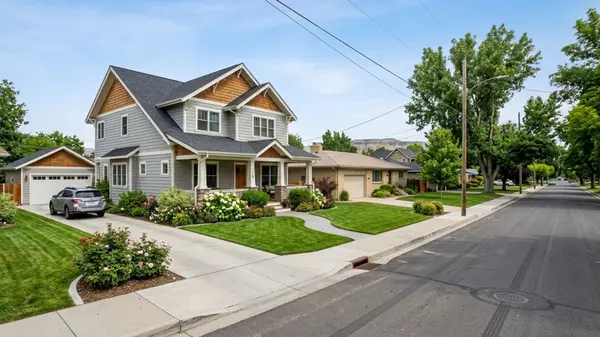
The West End contains many of the city's newer apartment complexes and large single-family homes. Renters looking for modern amenities, attached garages, and spacious floor plans will find the most options here.
Because the construction is newer, median rent prices in this zone tend to sit at the higher end of the local spectrum. A typical 2-bedroom apartment here will routinely push past the $1,500 mark.
Billings Heights
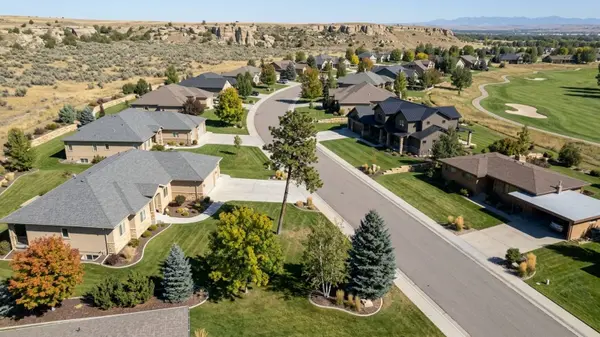
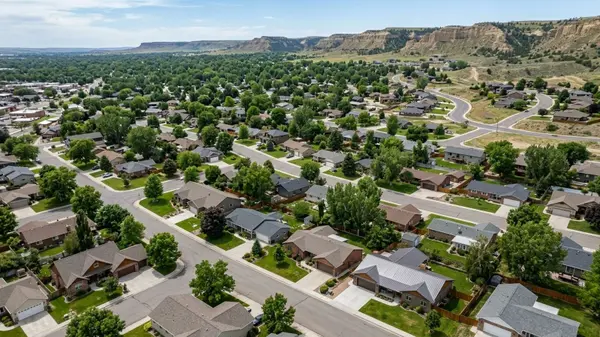
Billings Heights frequently offers larger 2-bedroom and 3-bedroom rentals. This area is separated from the rest of the city by the Rimrocks and features a mix of mid-century houses and newer multi-family developments.
Tenants often find better square-footage value in the Heights compared to the West End. Renters looking for a yard or a pet-friendly single-family home frequently focus their search in this geographic zone.
Travel Times to Major Employers
Billings Clinic and St. Vincent Healthcare are two of the largest employers in the area, and both are centrally located near the downtown corridor. Healthcare professionals working standard or overnight shifts often look for rentals in the immediate surrounding blocks to keep their commute under ten minutes. Montana State University Billings is also situated near the city center, driving demand for nearby apartments.
Access to major roadways dictates travel times for residents working outside the central district. Interstate 90 and Main Street handle the bulk of the daily traffic flow. Renters living in the Heights or the far West End should expect a 15-minute to 20-minute drive to reach the downtown offices during morning rush hour.
Proximity to Parks and Shopping Centers
Access to outdoor spaces is a major draw for residents moving to Montana. Swords Park and Pioneer Park provide paved trails, open green spaces, and recreational facilities within the city limits. Rentals located within walking distance of these parks rarely stay on the market for long.
The Rimrocks define the local landscape and offer immediate access to hiking and biking trails. On the commercial side, the Rimrock Mall and surrounding retail centers provide grocery and shopping options for residents in the West End. Access to these amenities is a primary reason many renters choose the western edge of the city despite the slightly higher lease rates.
Frequently Asked Questions
Is it cheaper to rent a house or an apartment in Billings?
Apartments are generally more cost-effective for individuals or couples needing one or two bedrooms. Renting a single-family home usually starts around $1,800, which makes sense for larger groups splitting the cost. Houses also come with higher utility bills due to the increased square footage.
How do Billings rent prices compare to the national average?
Local lease rates are about 25% to 30% lower than the national average. While a typical 1-bedroom apartment might cost over $1,700 nationally, the same size unit in this market averages around $1,100. This makes the city an attractive option for remote workers and relocating professionals.
What are typical utility costs in Billings, MT?
Tenants should budget between $150 and $250 per month for basic utilities, including electricity, gas, water, and trash. Heating costs spike during the winter months, especially in older homes with poor insulation. Many apartment complexes roll water and trash collection into the base rent, leaving only electricity and internet for the renter to cover.
Categories
Recent Posts

Managing Broker & License Partner MT License RRE-BRO-LIC-64264
+1(406) 850-3065 | shawna.morales@engelvoelkers.com