
Investing in Billings MT Real Estate: The Steady Cash Flow Alternative
If you have been looking at investing in Montana real estate lately, you have probably suffered some sticker shock. Markets like Bozeman and Missoula have seen prices skyrocket, turning them into high-stakes equity plays that are increasingly difficult to cash flow.
Enter Billings.
While the rest of the country looks at the "Mountain West" for luxury cabins, savvy investors are looking at Billings as the steady workhorse of the region. It is the economic hub of a massive geographic area, pulling in healthcare, energy, and distribution workers from three states. With a median home price hovering around $370,000 to $380,000, the barrier to entry here is significantly lower than the western side of the state, yet the rental demand is relentless.
We aren't talking about speculative appreciation or massive boom-bust cycles here. We are talking about a market anchored by the Bakken oil formation and a massive medical corridor. If you are looking for predictability over hype, Yellowstone County might just be the hidden gem your portfolio needs.
Billings Real Estate Market Trends (2026 Outlook)
Let’s be real about where we stand right now. The frenzy of 2021 is behind us, and that is actually good news for investors. The housing market has shifted toward a "balanced" state. This means you aren’t competing with twenty cash offers on every fixer-upper, and you actually have the leverage to negotiate repairs or concessions again.
From an appreciation standpoint, Billings is returning to its historical norm. We generally see consistent, moderate growth in the 3% to 5% range annually. It’s not the double-digit explosion you see in resort towns, but it also doesn't come with the terrifying volatility. You buy here for the long haul, banking on the fact that the local economy—driven by the Billings Clinic and diverse trade industries—keeps unemployment historically low, usually around 3%.
On the income side, rental metrics remain strong. Because Billings is a functional city where people come to work rather than just play, vacancy rates stay healthy, typically hovering around 5-6%. With average rents sitting comfortably between $1,500 and $1,600 per month, the rent-to-price ratios often make more sense here than almost anywhere else in the state.
Best Neighborhoods for Investment Property in Billings
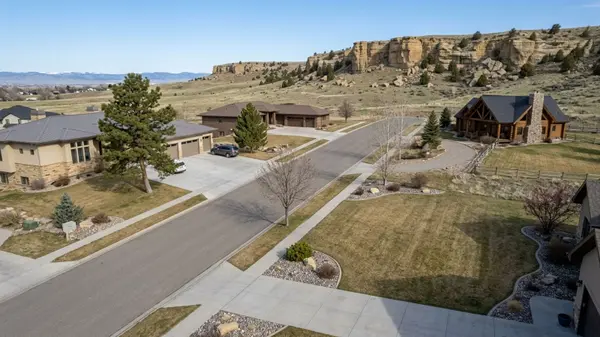
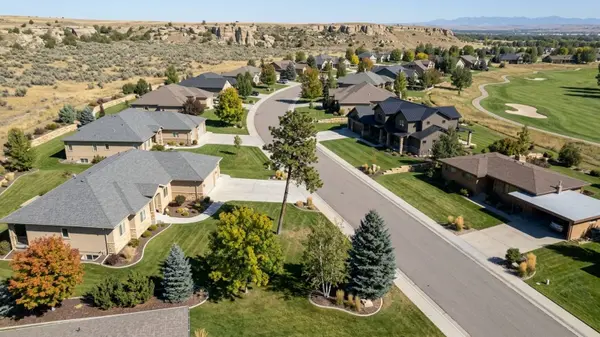
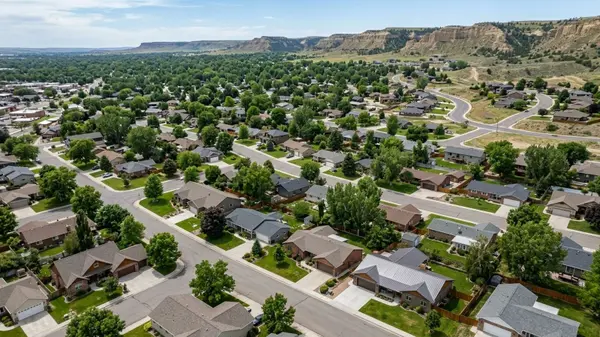
Billings is geographically unique, split by the famous "Rimrocks" (sandstone cliffs). Where you buy depends entirely on your strategy: do you want maximum appreciation or immediate cash flow?
Here is how the local geography breaks down for investors:
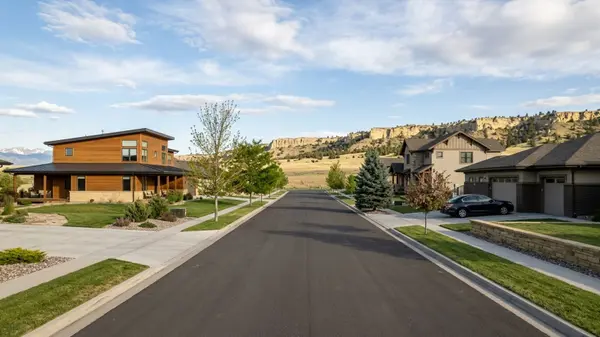
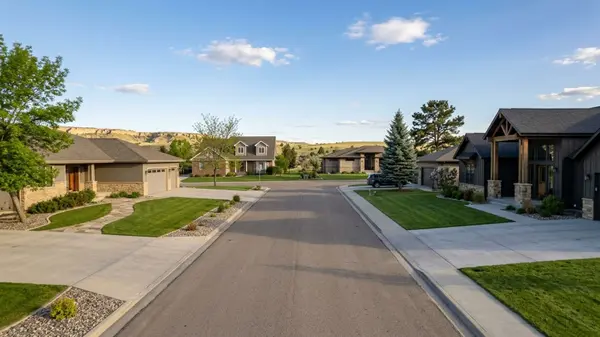
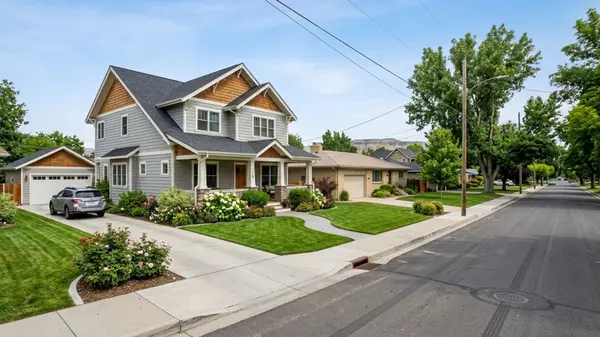
- The West End: This is where much of the growth is happening. You will find newer stock, wider streets, and higher price points. The entry price is steeper here, but these homes tend to attract long-term tenants who want access to newer schools and shopping centers. This is primarily an appreciation and stability play.
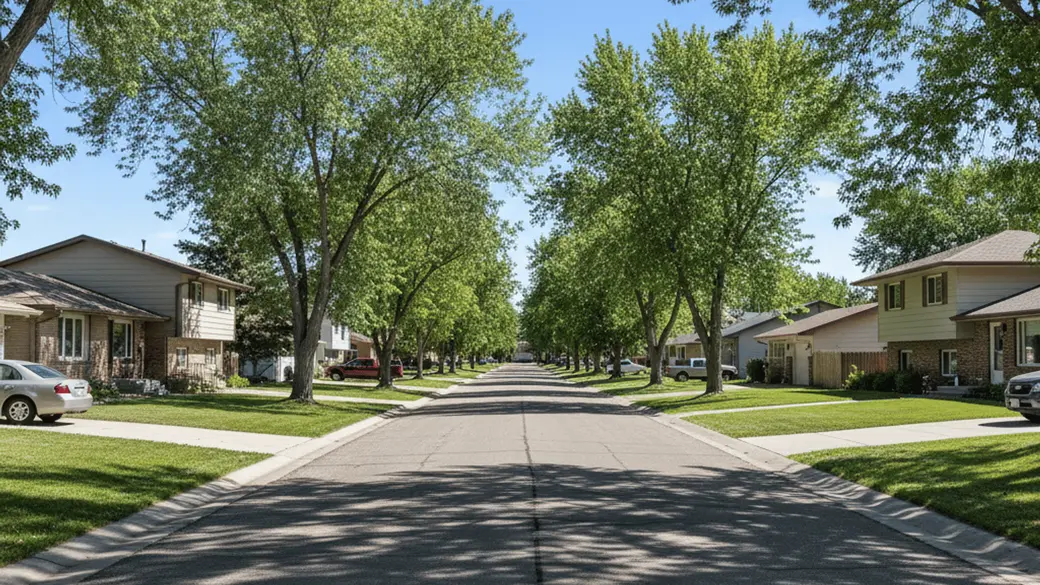
- The Heights: Located northeast of the city center, the Heights is often the sweet spot for cash flow. The housing stock here is older—think 1970s split-levels and ranch styles—but the entry prices are significantly more affordable. It’s a massive residential area with solid blue-collar rental demand.
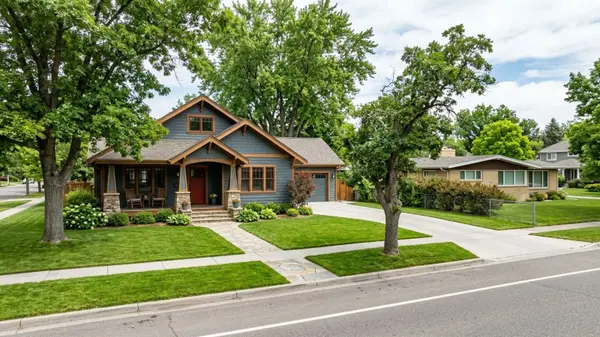
- Downtown & The South Side: If you are interested in mid-term rentals or revitalization plays, look here. These areas have historic charm and, crucially, are close to the medical corridor. It is a prime location for housing travel nurses working at Billings Clinic or St. Vincent.
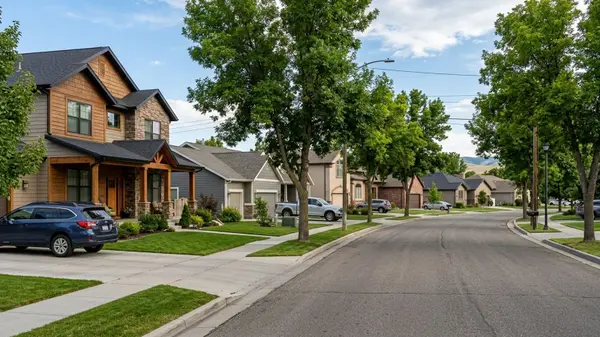
- Josephine Crossing / Shiloh: These are newer, master-planned communities that appeal to young professionals. They offer a more "suburban" feel with walking trails and parks, commanding higher rents but also coming with higher HOA fees that you need to factor into your underwriting.
Rental Strategy: Long-Term vs. Short-Term Rentals
One of the first questions out-of-state capital asks is about Airbnb potential. While short-term rentals (STRs) can be lucrative, Billings is not a pure tourist town like Whitefish. The strategy here requires a bit more nuance.
Short-term rentals are legal in Billings, but they are regulated. The city requires you to obtain a business license and a specific Short-Term Rental Permit, which includes an inspection and must be renewed annually. There is also a limitation of one STR permit per dwelling unit, so you can't just buy a fourplex and turn the whole thing into a hotel.
For many investors, the "Goldilocks" strategy in Billings is the Mid-Term Rental (MTR).
Because Billings is a regional medical hub, there is a constant rotation of travel nurses, locum tenens doctors, and energy sector specialists coming into town for 3 to 6 months at a time.
Furnished rentals catering to these professionals often command a premium over standard leases without the high turnover and operational headaches of a nightly Airbnb. If you prefer a purely passive approach, standard long-term leasing remains the safest bet, offering consistency and lower vacancy risk.
Taxes, Insurance, and Operating Costs
When you are running your numbers for investing in Billings MT real estate, you need to look beyond the mortgage payment. There are a few local expenses that catch outsiders off guard.
Let’s start with property taxes. Montana uses a tiered system, but for a standard investment property in Billings, you should budget for an effective tax rate of approximately 1.0% to 1.1%. It’s reasonable, but keep in mind that Montana reappraises property values every two years, so your assessment will move.
The biggest "gotcha" in Billings is insurance—specifically regarding hail.
We get severe weather here. If you buy a property with a 15-year-old roof, your insurance premiums will be astronomical, or the carrier might exclude hail coverage entirely until the roof is replaced. When analyzing a deal, always check the age of the roof immediately. You generally want to budget higher for insurance here than you would in a non-hail state, and ensuring you have replacement cost coverage is non-negotiable.
For management, if you aren't local, expect to pay standard rates. A good Billings property management company will typically charge between 8% and 10% of monthly rent. given the steady tenant pool, lease-up fees are usually standard, but ensure your manager knows how to market during the slower winter months.
Landlord-Tenant Laws in Montana
Montana is generally considered a "handshake" state, but the laws are codified and strictly enforced. It is a moderately landlord-friendly environment, provided you follow the procedural rules.
There are no rent control laws here, meaning you can adjust rents to market rates upon lease renewal. However, the state is strict about security deposits. If you have no deductions, you must return the deposit within 10 days of the tenant vacating. If you are making deductions for damages, you have 30 days to provide the itemized list and the remaining balance.
Regarding access, you cannot just drop by to check on the place. You are required to give tenants 24-hour notice before entering for inspections or non-emergency repairs. It’s a balanced system that protects your asset while respecting tenant privacy.
Is Billings Right for Your Portfolio?
So, is the "Magic City" the right place to park your capital?
If you are looking for the next Austin or Nashville where appreciation doubles your money in three years, Billings probably isn't it. Our winters are cold, we are far from major metros, and our growth is steady rather than explosive.
However, if your goal is to build a portfolio of cash-flowing assets in a market with diverse economic drivers—energy, agriculture, and healthcare—then Billings is a fantastic option. It offers a lower barrier to entry than the rest of the Mountain West and provides a level of predictability that is hard to find in today’s economy. It is the ideal market for the buy-and-hold investor who wants to sleep well at night.
Frequently Asked Questions
Is Billings, MT a good place to invest in real estate?
Yes, particularly for investors seeking cash flow and stability over high-risk appreciation. The local economy is diverse, anchored by the medical and energy sectors, which keeps rental demand high and vacancy rates consistently low compared to other Montana markets.
What are the property tax rates in Billings, Montana?
The effective property tax rate in Yellowstone County is typically around 1.0% to 1.1% of the property's assessed value. However, tax bills can vary depending on the specific school district and special improvement districts (SIDs) where the home is located.
Are Airbnbs legal in Billings, MT?
Yes, short-term rentals are legal, but they are regulated by the city. You must obtain a business license and a Short-Term Rental Permit, which involves an inspection and annual renewal fees, and you are generally limited to one permit per dwelling unit.
What is the average rent in Billings, MT?
As of 2025, the average rent for a standard home or apartment in Billings typically ranges from $1,500 to $1,600 per month. This varies significantly by neighborhood, with the West End and newer developments commanding higher premiums than older homes in the Heights or South Side.
Categories
Recent Posts

Managing Broker & License Partner MT License RRE-BRO-LIC-64264
+1(406) 850-3065 | shawna.morales@engelvoelkers.com