
Understanding HOA Fees in Billings
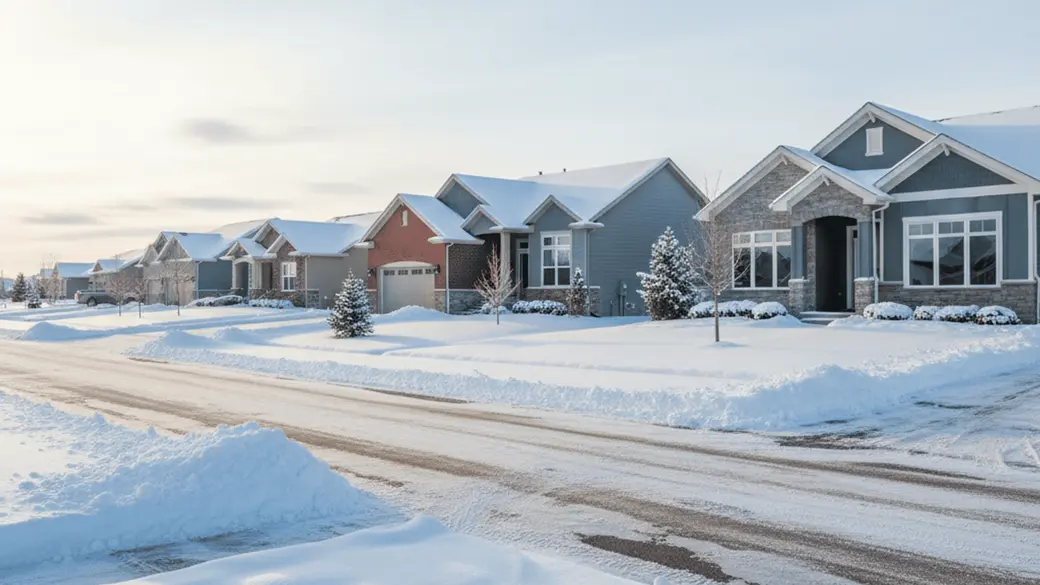
Picture this: It’s mid-February in Billings, the wind is howling, and six inches of snow just dropped overnight. For some homeowners, that means waking up an hour early to shovel the driveway before work. For others, it means pouring a second cup of coffee while a contracted plow clears the street and the sidewalk.
That difference is usually down to one acronym: the HOA.
While much of the older housing stock in Billings is free of Homeowners Associations, the landscape is changing. If you are looking at newer developments in the West End, townhomes near the rims, or downtown condos, you are going to encounter association fees. Understanding exactly what you are paying for—and whether the cost brings enough value to your lifestyle—is a huge part of the buying process here.
Fees in Yellowstone County aren't one-size-fits-all. They can range from a nominal $25 a month for simple administrative upkeep to over $400 a month for comprehensive, maintenance-free living. Let’s break down the numbers so you know exactly what to expect.
Average HOA Fees in Billings by Property Type
When you are browsing Billings real estate listings, the HOA fee can look like just another number, but it tells you a lot about the property type. In our market, fees correlate directly with how much responsibility the association takes off your plate.
Single-Family Subdivisions
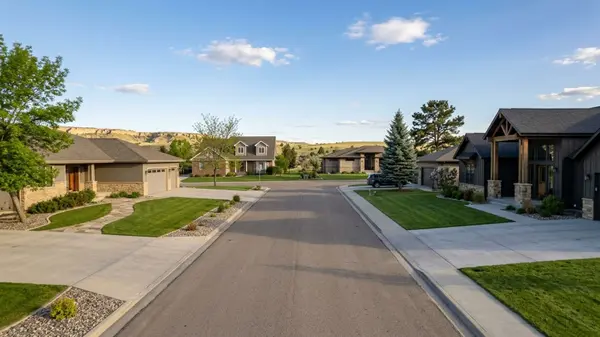
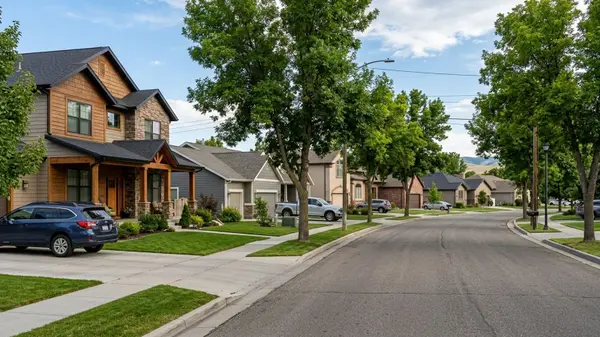
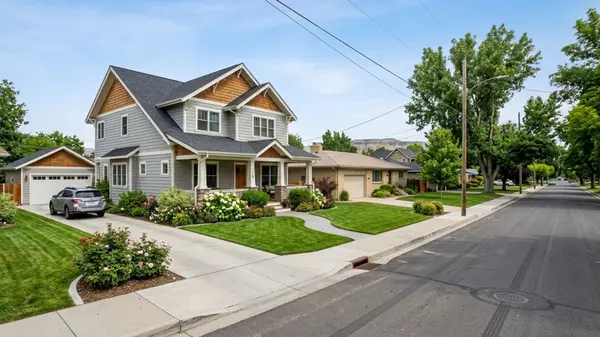
In many newer single-family neighborhoods, the HOA is fairly "light." You might see fees in the $25 to $100 per month range. In these cases, you are typically paying for the maintenance of common areas—think entry signage, storm retention ponds, and maybe a small community park. You still mow your own lawn, shovel your own snow, and fix your own roof. Note that some of these simpler associations might bill quarterly or annually rather than monthly.
Townhomes
Townhomes represent the middle ground in Billings. Fees here often fall between $150 and $300 per month. This usually buys you freedom from exterior chores. The association generally covers lawn care and snow removal (a massive perk here), and often the insurance for the exterior of the structure.
Condos
Condos usually carry the highest fees, typically ranging from $250 to $500+ per month. Before you balk at the price, remember that this covers the most. You are paying for the maintenance of the entire building envelope (roof, siding, windows), common hallways, elevators (common in downtown buildings), and often utilities like water, sewer, and garbage.
What Do HOA Fees Typically Cover in Billings?
It is easy to resent a monthly bill if you don't know where the money goes. However, in Montana, the "value add" of an HOA is often much more tangible than in milder climates because of our weather.
Snow Removal This is the number one reason buyers in Billings specifically request HOA communities. However, you need to verify the scope. Does the fee cover just the private streets? Or does it extend to your driveway and the walkway up to your front door? In many "maintenance-free" communities, the plow crews do it all, which is a game-changer for anyone who travels often or simply hates the cold.
Exterior Maintenance For townhomes and condos, a portion of your fee goes toward future repairs. This includes roof replacement, siding repairs, and exterior painting. If you own a standalone home without an HOA, you have to save for these big-ticket items yourself. In an HOA, it is essentially a forced savings plan.
Landscaping and Water If you see a lush green park in a West End subdivision, the HOA dues are paying for that water and mowing. In townhome communities, this often extends to your personal patch of grass and the sprinkler system maintenance.
Insurance Coverage This is a critical distinction. In a condo or townhome setting, the HOA usually holds a "master policy" that covers the structure from the "walls out." This means you only need to buy an HO-6 policy (which is much cheaper than standard homeowner's insurance) to cover your personal property and the interior finishes.
Amenities While Billings doesn't have as many resort-style communities with massive clubhouses and pools as you might see in Florida or Arizona, we are seeing more amenities in newer builds. These might include pocket parks, walking trails connecting to city paths, or small community gathering spots.
Fee Examples: Popular Billings HOA Communities
To give you a clearer picture of how this looks in the wild, let's look at a few examples of how different neighborhoods structure their costs.
Josephine Crossing This is a prime example of a community where the HOA helps curate a lifestyle. The fees here contribute to the maintenance of the "pocket parks," the common green spaces, and snow removal on the alleyways. The HOA also helps facilitate the community events and concerts that the neighborhood is famous for. It’s not just about maintenance; it’s about maintaining a specific neighborhood culture.
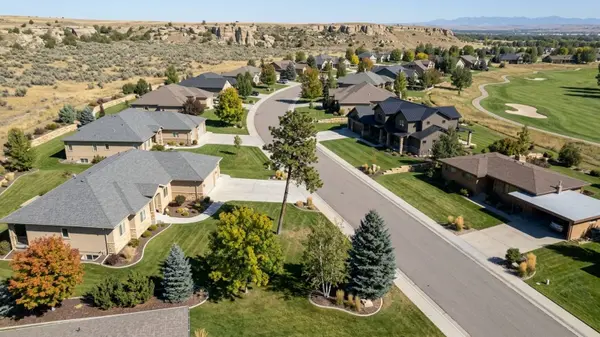
Ironwood and West End Subdivisions In areas like Ironwood, you might find a lower base HOA fee that covers the basics of subdivision upkeep. However, when buying in these newer West End areas, you should also look for Special Improvement Districts (SIDs). While not technically an HOA fee, SIDs are often present in new developments to pay for infrastructure like streets and lights, and they appear on your tax bill rather than as a monthly due.
Downtown Lofts If you are looking at historic renovations downtown, expect fees to be on the higher end. Older buildings require significant upkeep, and maintaining elevators and fire suppression systems is expensive. However, these fees often offset the need for a car or gym membership depending on the building's amenities and location.
The Impact of HOA Fees on Affordability
When you are calculating your monthly budget, the HOA fee plays a massive role—sometimes more than the interest rate.
Lenders include HOA dues in your Debt-to-Income (DTI) ratio. This means a $300 monthly fee reduces the amount of mortgage loan you qualify for. Roughly speaking, $100 in monthly HOA fees equates to about $15,000 to $20,000 in purchasing power, depending on current interest rates.
However, you have to weigh this against the "Snow Factor." If you buy a non-HOA home but end up paying a private service $50 every time it snows, plus $40 a week for lawn mowing in the summer, you might actually spend more out of pocket than you would on a standard HOA fee.
For example, a $300,000 condo with a $300 fee might have a very similar total monthly housing cost to a $350,000 single-family home with no fee. The difference is that with the condo, your time is your own.
Montana HOA Laws: Rights and Regulations
Montana tends to value property rights highly, and this extends to how HOAs are governed. You don't need a law degree to buy a home, but you should know a few basics about the local statutes.
Senate Bill 300 and "Grandfathering" Passed in 2019, this is a key piece of legislation for Montana homeowners. Generally, it prevents HOAs from forcing new restrictive covenants on existing owners without their consent. For instance, if you buy a home where short-term rentals are allowed, the HOA generally cannot ban them later and apply that ban to you, though they could enforce it on future buyers.
Political Signs This is a common friction point. Under Montana law, HOAs generally cannot issue a blanket ban on political signs. They can, however, reasonably regulate the size of the signs and how long they stay up (for example, requiring them to be taken down a certain number of days after an election).
Disclosure is Mandatory When you make an offer on a home in an association, the seller is legally required to provide you with the governing documents (CC&Rs) and the financials. This isn't just paperwork—it's your chance to see exactly what rules you are agreeing to live by.
How to Evaluate an HOA Before Buying
Not all associations are created equal. Some are well-oiled machines; others are one emergency repair away from bankruptcy. During your due diligence period, you need to look under the hood.
Read the Reserve Study This is the most boring but important document you will read. It calculates how much life is left in major components (like the roof or parking lot) and whether the HOA has enough cash in the bank to fix them when they fail. If the reserve fund is empty but the roof is 20 years old, run—or negotiate hard.
Check the Meeting Minutes Ask to see the minutes from the last few board meetings. This is where you find out about the neighborhood drama. Are neighbors constantly fighting about parking? Is the board discussing a fee hike next year? Minutes reveal the social and financial health of the community.
Ask About Special Assessments A special assessment is a surprise bill sent to all owners to cover an unexpected expense, like a burst pipe or a lawsuit. Ask specifically if there have been any assessments in the last three years or if any are currently on the table.
Frequently Asked Questions
Are HOA fees included in the mortgage?
No, your HOA fee is almost always paid separately from your mortgage payment. While your lender considers the fee when calculating whether you qualify for the loan, you will typically set up a direct payment to the association or their management company.
Can I opt out of an HOA in Billings?
If you buy a property that is deed-restricted to a mandatory HOA, you cannot opt out. Membership is tied to the land, not the person. If you stop paying dues, the association can file a lien against your property and potentially foreclose.
Do HOA fees in Montana cover property taxes?
No. Your property taxes are paid to Yellowstone County and are completely separate from your HOA dues. Even in a condo where you own "walls-in," you will receive an individual property tax bill.
Why are condo fees in Billings higher than single-family fees?
Condo fees are higher because they cover the insurance and maintenance of the actual building structure, not just the grounds. In a single-family HOA, you pay less to the association, but you pay full price personally for your own home insurance, roof repairs, and siding maintenance.
Categories
Recent Posts

Managing Broker & License Partner MT License RRE-BRO-LIC-64264
+1(406) 850-3065 | shawna.morales@engelvoelkers.com