
Understanding Water Utilities in Billings, MT: City Water vs. Well Water in 2026
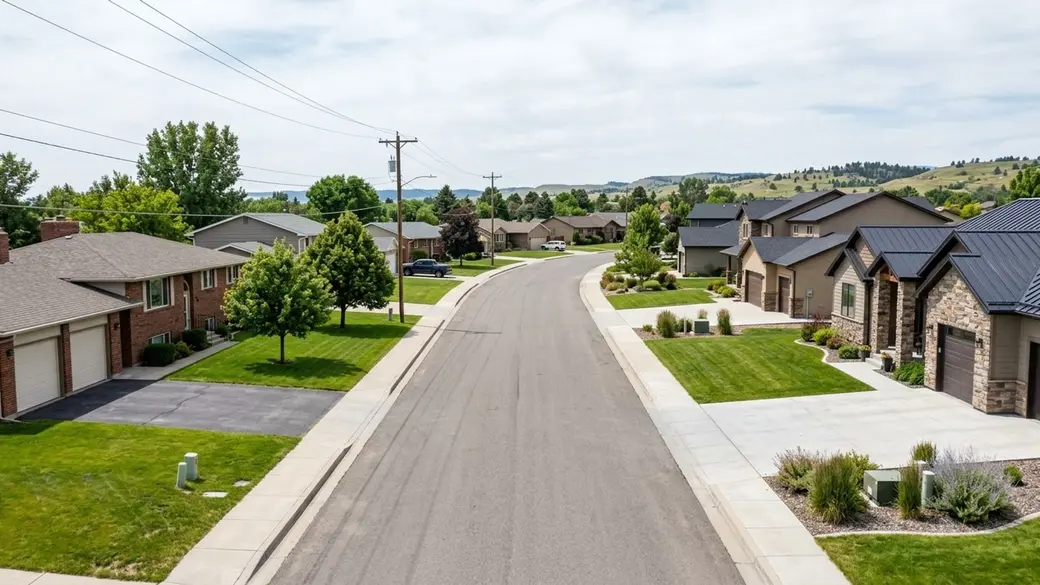
The median home price in Billings, MT, sits around $389,900, and buyers planning on living in Billings currently have about 583 homes to choose from across the local inventory. As you look at available properties, one detail that frequently changes from house to house is the primary water source.
How utilities in Billings, MT, work is a major part of budgeting for your new home and calculating the cost of living in Billings. Depending on where the property is located, you might be connected to the municipal water grid, or you might rely entirely on a private well. Each system brings different monthly costs, maintenance requirements, and water quality considerations - and none of that shows up in the listing price.
The Basics of City Water and Private Wells
Homes inside the main urban footprint typically connect to the Billings Public Works system, which handles both water and wastewater services. The municipal utility treats the water, pumps it to your house, and manages the infrastructure up to your property line. Once it crosses onto your lot, it's your problem - but up to that point, the city owns it.
Properties outside of Billings in Yellowstone County often rely on private wells to tap into groundwater aquifers. With a private well, the homeowner is fully responsible for pumping, treating, and maintaining their own water supply. There's no utility company to call when something goes wrong.
What a Municipal Water Well Means
Buyers sometimes see listings mentioning a "city water well," which causes some confusion. This usually means the property is physically located within the city limits but still relies on an older private well that was drilled before municipal lines reached the street.
In other cases, a property might use city water for indoor plumbing but keep an old well active specifically for outdoor irrigation. The property disclosure will clarify exactly what infrastructure serves the home - read it carefully before you assume anything.
Identifying Your Home's Water Source
The easiest way to check a home's water source is to look for a water meter inside the house or a utility cover near the street. If you receive a monthly water bill from the City of Billings, you're on the municipal system.
Homes with private wells will typically have a wellhead visible in the yard - usually a steel pipe sticking up a few feet from the ground with a cap on it. You'll also likely find a pressure tank in the basement or utility room.
Monthly Costs for Billings Water Utilities
Billings Public Works uses a tiered rate structure for municipal water. Customers pay a fixed monthly meter charge plus volumetric charges based on every 1,000 gallons they consume. The rate per 1,000 gallons increases as usage climbs, so heavy summer irrigation will push your monthly expenses into higher pricing tiers.
The Billings City Council adopted current rates in May 2025, which went into effect in July 2025.
Average Bills for Municipal Connections
A 2026 utility cost analysis estimates that a water-only bill in Billings averages about $33.10 per month for a household using 5,000 gallons. That number alone doesn't tell the full story, though, because city utility bills typically combine water and wastewater charges into one statement.
When you factor in the sewer portion, the combined monthly bill for an average residential customer generally runs between $72 and $79. Budgeting around $80 per month gives most buyers a safe estimate for basic indoor water and sewer usage.
Expenses Tied to Private Wells
Private wells don't generate a monthly water bill, but they do increase your electricity usage because a pump runs every time you turn on a faucet. Routine maintenance, pressure tank replacements, and any necessary water treatment systems are also on you.
Homes with wells almost always rely on private septic systems rather than city sewer lines. You avoid the city's monthly wastewater charge, but you should budget for pumping the septic tank every few years. Skip that, and you'll be dealing with a much larger problem down the road.
Water Quality and Safety Considerations
Municipal water in Billings undergoes continuous testing to meet federal safety standards before it reaches your tap. The public works department treats the water to remove contaminants and adds chlorine to prevent bacterial growth in the distribution lines.
Well water quality is entirely up to the homeowner to monitor and maintain. Without chemical treatment, groundwater can fluctuate in quality based on seasonal changes and nearby land use - and none of that fluctuation will announce itself.
Municipal Treatment and Standards
Buyers moving from a well to city water often notice a difference in taste and smell due to the municipal chlorination process. Some homeowners install under-sink carbon filters to remove the chlorine taste for drinking water.
Because the city handles all the compliance testing, municipal users don't need to worry about scheduling annual lab tests. The city publishes an annual water quality report detailing exactly what's in the supply.
Common Well Contaminants in Montana
The Montana Department of Public Health and Human Services (DPHHS) notes that groundwater is most commonly contaminated by nitrate and bacteria, often originating from septic systems or livestock yards. Heavy metals leached from mining areas and organic compounds like pesticides can also percolate into the aquifers.
Regional water-system reports in south-central Montana frequently flag nitrate and arsenic as recurring contaminants of concern. Regular testing is the only way to know if these invisible, odorless elements are present in your drinking water.
Pros and Cons of Having a Private Well
A private well offers independence from municipal rate hikes and tiered pricing structures. Homeowners with large gardens or expansive lawns can irrigate their property without worrying about pushing their monthly bill into a higher bracket.
That independence, though, comes with complete financial responsibility for the infrastructure. If a well pump fails on a holiday weekend, the homeowner pays the emergency service call fee to get the water running again. No one else is picking up that tab.
The Upside of Independence
Well water is generally free of added chemicals like chlorine and fluoride, which some buyers prefer. If the local aquifer produces clean, soft water, you're drawing a natural resource directly from your own land.
You also avoid the fixed monthly meter charges that city residents pay regardless of how much water they use. Over a decade, those avoided monthly fees can offset the cost of routine well maintenance.
The Drawbacks of Well Ownership
Power outages immediately cut off your water supply because the electric well pump can't operate. Without a backup generator, you won't have running water during a blackout.
You also bear the risk of the well running dry or the water table dropping over time. Drilling a new well or deepening an existing one is a major out-of-pocket expense that municipal users never face. It's the kind of cost that doesn't show up anywhere in your initial budget.
Switching Systems and Dual Sources
If a home currently uses a well but sits near city limits, connecting to the municipal grid might be an option. This requires paying connection fees to Billings Public Works and hiring a contractor to run lines from the street to your house.
Extending city water lines is rarely cheap, and the feasibility depends on how far the main line sits from your property boundary. Some buyers negotiate these connection costs with the seller before closing - it's worth asking the question.
Connecting to the Municipal Grid
To get city water, the homeowner must apply for service through the city and secure the necessary permits. The property will then be subject to the city's monthly meter charges and tiered usage rates.
Once connected, the old well must typically be capped and abandoned according to state environmental regulations, unless you plan to repurpose it strictly for irrigation.
Maintaining Both Options
Some properties in Yellowstone County successfully maintain both systems - using city water for the house and a private well for the yard. This setup requires strict backflow prevention measures to ensure untreated well water never contaminates the public drinking supply.
Keeping an irrigation well active can save money during dry Montana summers. You avoid paying the city's volumetric rates for water that only goes onto the grass.
Evaluating Water Sources When Buying a Home
With homes in Billings sitting on the market for an average of 57 days, you have time to thoroughly vet a property's water infrastructure. Use that time. If you plan to buy a house, taking a closer look at the system before closing prevents expensive surprises after the keys are in your hand.
Your real estate agent will help you draft inspection contingencies that specifically cover the well and septic systems. Standard home inspections rarely include comprehensive well testing, so don't assume it's covered.
Inspections to Schedule
Hire a specialized well contractor to test the pump's flow rate and inspect the pressure tank. They'll confirm that the system can deliver enough gallons per minute to support your household's daily needs.
You should also collect water samples for laboratory testing. Send these samples to a state-certified lab to check for bacteria, nitrates, arsenic, and heavy metals.
Questions to Ask the Seller
Ask for records of any recent water tests, pump replacements, or well maintenance. Knowing the depth of the well and the age of the pump helps you estimate when major components might need replacing.
If the home has water treatment equipment like a softener or reverse osmosis system, find out if it's owned or leased. You need to know if you're taking over a monthly lease payment for that equipment.
Frequently Asked Questions
Which companies provide water, gas, and electricity for residential homes in Billings, MT?
Billings Public Works handles municipal water and wastewater services for the city. Private utility companies handle gas and electricity, which vary depending on your specific address. You'll need to check with the seller to confirm which providers service the property.
What is the average monthly cost for utilities in a standard single-family home in Billings?
For municipal water and sewer combined, the average residential customer pays between $72 and $79 per month. A water-only bill averages about $33.10 for 5,000 gallons of usage. Your total utility costs will increase once you add electricity, gas, and internet services.
How do I go about transferring utilities into my name after buying a house in Billings?
Contact Billings Public Works directly to set up your water and wastewater account. They'll need your closing date and the property address to transfer the billing into your name.
As a seller in Billings, when should I officially shut off my utilities to avoid winter pipe freezing or final walkthrough issues?
Leave all utilities on through the day of closing so the buyer can complete a final walkthrough. Shutting off the power or water too early can cause plumbing damage, especially during cold Montana winters.
Categories
Recent Posts


Managing Broker & License Partner MT License RRE-BRO-LIC-64264
+1(406) 850-3065 | shawna.morales@engelvoelkers.com