
Understanding the 2026 Housing Market Forecast for Billings, MT
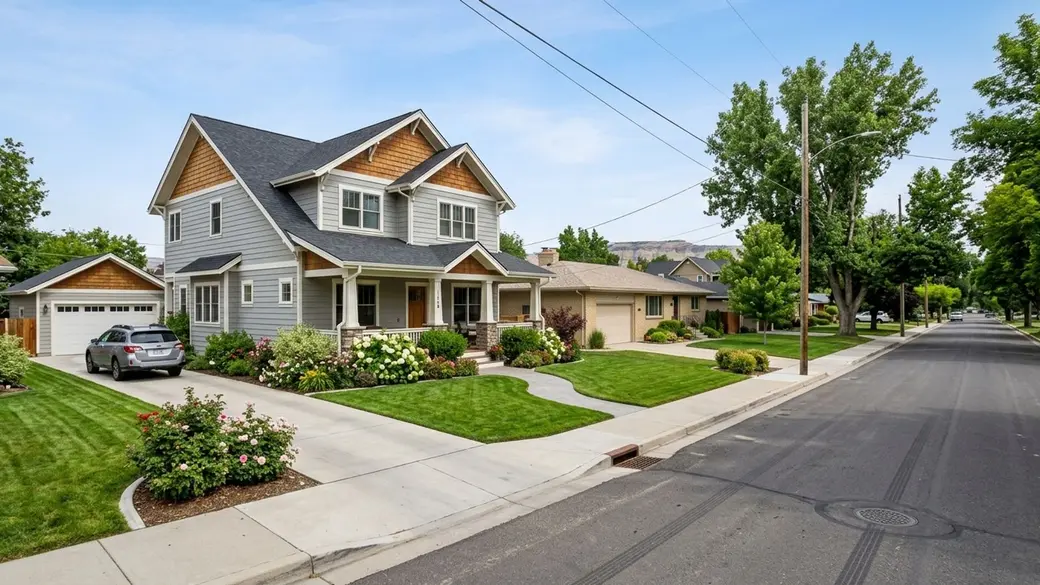
The median sale price for a home in the Billings, MT housing market sits around $390,000 as of mid-2026 - up roughly 2.6% to 5.6% year-over-year. If you're shopping in Yellowstone County, you're looking at a market that keeps moving forward even as Montana works through some of the most significant statewide zoning changes in recent memory.
Getting a realistic read on where things go next means looking at inventory levels, days on market, and what the Federal Reserve is doing to borrowing costs. Montana's zoning reforms are already changing how builders think about new construction here. All of it - the local numbers and the statewide policy shifts - feeds directly into what you'll pay as a buyer and what you'll net as a seller.
Current Real Estate Trends in Billings, MT
Homes in Billings are taking an average of 57 to 58 days to sell - essentially unchanged from the previous year. That's a useful baseline. It tells you the market isn't racing, but it isn't stalling either.
The MLS is currently showing roughly 583 available homes. That gives you a real selection to work with, though don't assume every price point moves at the same pace. Sellers who price accurately from the start tend to see steady activity; those who don't sit longer than that 57-to-58-day average suggests they need to.
Recent Median Sale Prices
Over the three months ending in July 2026, the median home price in Billings held at $390,000. That's up from the same window in 2025, which means appreciation is still happening - just at a measured pace. Budget accordingly when you're figuring out what you can actually afford here.
How Long Homes Take to Sell
That 58-day average gives both sides of the table some room to breathe. As a buyer, you generally have time to see properties and get your financing sorted without someone else snatching the home out from under you the same afternoon. As a seller, you should plan for a standard marketing period rather than expecting an offer by the weekend.
Who Has the Advantage in Yellowstone County
Billings is sitting at between 4 and 4.8 months of housing supply. The traditional benchmark for a fully balanced market is six months, so the scales still tip slightly toward sellers - but only slightly. This is nothing like the inventory crunch of a few years back.
With nearly five months of supply, you have real room to negotiate. Buyers can push on price, repairs, and closing costs in ways that weren't realistic not long ago. Sellers can still do well, but they need to show up with a well-prepared home and a realistic list price. Both sides are going to have to actually work here.
Available Housing Supply
Those 583 active MLS listings mean you don't have to compromise just to get something under contract. More options for buyers also means sellers are competing directly against their neighbors - which is a meaningful shift from where this market was.
Bidding and Negotiation Dynamics
Below six months of supply, well-priced homes can still draw more than one offer. Bidding wars aren't the norm they were a few years ago, but they haven't disappeared entirely - especially for updated homes in areas that tend to move quickly. Buyers should still come in competitively, and sellers should stay flexible rather than holding out for terms that no longer match the market.
Economic and Legislative Factors Affecting the Billings Market
Montana passed sweeping statewide zoning reforms starting in 2023, including the Montana Land Use Planning Act and SB 245. Those laws eased restrictions on duplexes, multifamily housing, and accessory dwelling units. Billings was already in a relatively reasonable position - roughly half of its residential land was zoned to allow multifamily housing - but the reforms still matter here.
2025 brought another round of legislative changes continuing to remove regulatory barriers to new construction. Over time, these laws should encourage more housing types and push the overall unit count higher. For now, builders have cleaner guidelines to work from, which is a step in the right direction even if the results don't show up in inventory overnight.
Mortgage Rates and Buying Power
What the Federal Reserve does with interest rates has a direct effect on what a $390,000 home actually costs you each month in Billings. Even modest rate swings move that monthly payment by a noticeable amount. Work closely with your lender, understand exactly where your purchasing power stands, and if you find a rate you can live with, seriously consider locking it.
Future Housing Supply
The relaxed rules around accessory dwelling units and duplexes open up options that didn't exist for a lot of property owners before. Homeowners may be able to add rental units to existing lots, which adds income potential and puts more housing into the local supply. As builders get comfortable with the updated zoning framework, the mix of homes coming to market should gradually shift.
Frequently Asked Questions
Will home prices in Billings, MT drop anytime soon?
Nothing in the current data points that direction. The median sale price is $390,000, reflecting year-over-year growth of roughly 2.6% to 5.6%. Values are still appreciating.
Should I sell my house in Billings now or wait until next spring?
Homes are selling in an average of 57 to 58 days right now, and with 4 to 4.8 months of supply on the market, sellers still hold a modest advantage. Waiting until spring means introducing unknowns - where rates land, how much competing inventory shows up. Those variables aren't in your control.
If I wait for interest rates to go down, will I get priced out of the Billings market?
It's a real risk. Prices in Billings have kept climbing, hitting a $390,000 median this year. Buying now locks in today's price. If rates drop later, you can refinance - but you can't go back and buy at last year's price.
Is the housing inventory in Billings expected to increase for buyers this year?
Inventory is currently around 583 available homes. The statewide zoning reforms passed in 2023 and 2025 loosened restrictions on multifamily housing and accessory dwelling units, and those changes are designed to encourage more construction over time. A gradual increase in local supply is the goal, though it won't happen all at once.
Categories
Recent Posts

Broker MT License RRE-BRO-LIC-64264
+1(406) 850-3065 | shawna.morales@engelvoelkers.com