
Moving to Billings, MT: A 2026 Relocation Guide
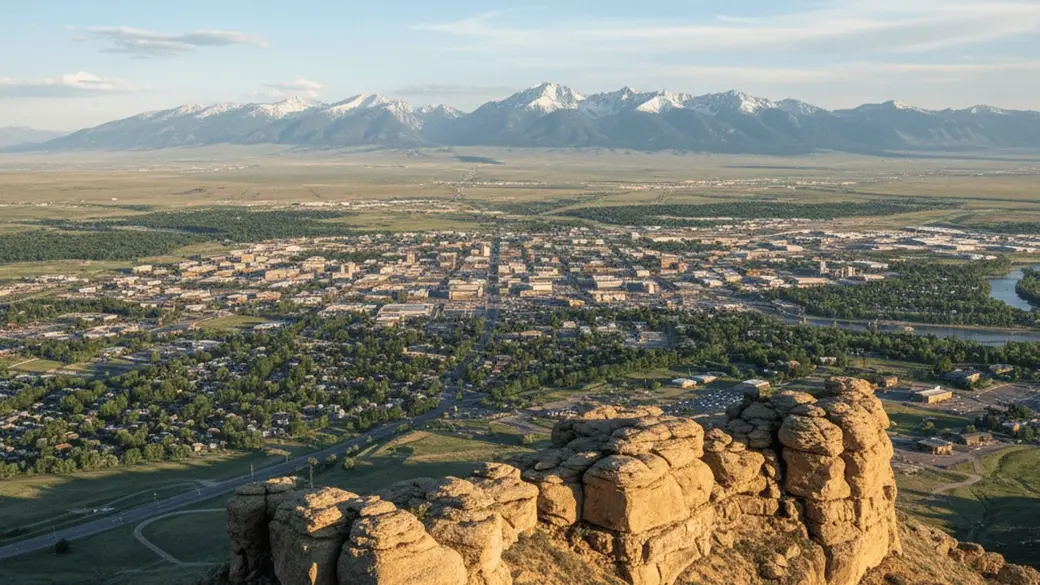
If you are looking into living in Montana, you have likely noticed that Billings feels different from the rest of the state. Locals call it the "Magic City," a nickname earned during its rapid railway expansion days, but today that name speaks more to its ability to balance rugged beauty with genuine urban utility. While western Montana towns often feel like vacation destinations, Billings is the state's engine—the "Trailhead" where the plains meet the mountains.
As of 2026, Billings remains the largest metro area in a 500-mile radius, serving as the essential hub for retail, healthcare, and business for much of Montana and Wyoming. For newcomers, this means you get the convenience of a major city—Costco, target, specialized medical care—without sacrificing access to the outdoors.
The real draw here is the balance. You aren't paying the "mountain tax" premiums found in Bozeman or Missoula, yet you are still within driving distance of world-class skiing and Yellowstone National Park. It is a working town with a grit that appeals to people who want a real community, not just a resort.
Living in Billings: Pros and Cons
Every city has its trade-offs, and Billings is no exception. It is important to look at the full picture before packing the moving truck.
The Pros: The outdoor access here is immediate. You don't have to drive two hours to find a trail; the Rimrocks (the sandstone cliffs bordering the city) offer hiking and climbing minutes from downtown. Financially, your dollar stretches further here. With no state sales tax and housing prices that remain grounded compared to the western part of the state, it is easier to build a life here. Additionally, if you need specialized healthcare, you are in the best spot in the region.
The Cons: The weather can be a shock if you aren't prepared for extremes. Winters get cold, and the wind is a constant companion. The city is also designed for cars. Because Billings spreads out horizontally rather than vertically, walkability is low outside of downtown, and you will find yourself driving significant distances to get from the Heights to the West End. Finally, there is a sense of isolation; while Billings is a hub, the next major metropolitan areas like Denver or Salt Lake City are a long day's drive away.
Cost of Living in Billings
For many people, the deciding factor in moving here is the bank account. Generally speaking, the cost of living in Billings sits roughly 1% to 5% below or near the national average, depending on which index you look at. However, when you compare it to other major Montana cities, the savings are massive.
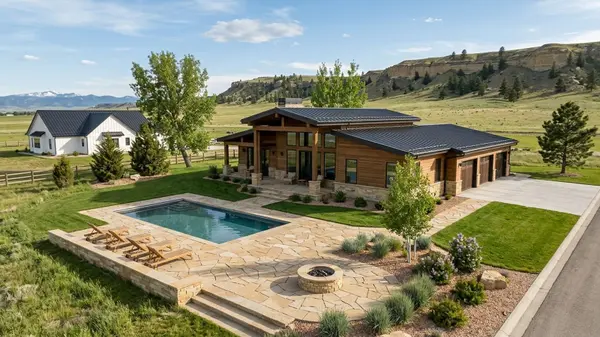
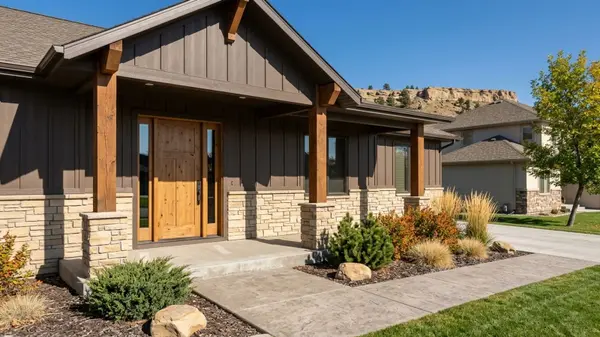
Housing Costs: As of early 2026, the housing market here has seen steady appreciation but hasn't exploded into the unattainable ranges seen elsewhere. You can expect the median home price to hover around the $395,000 to $400,000 range. For that price, you are typically looking at a single-family home with a yard, not a condo. If you aren't ready to buy, the rental market is active, with an average two-bedroom apartment renting for approximately $1,200 to $1,400 per month.
Taxes and Daily Expenses: One of the biggest perks of the cost of living in Montana is the lack of sales tax. That 0% rate on groceries, cars, and clothes adds up significantly over a year. Utilities and groceries tend to track close to national averages, though you should budget a bit extra for heating during the winter months.
Job Market and Major Employers
Unlike the tourism-heavy economies of western Montana, Billings has a diverse industrial and corporate base. The economy here is stable because it serves a massive geographic region.
Healthcare: This is the heart of the local economy. Billings Clinic and St. Vincent Healthcare (part of Intermountain Health) are the largest employers in the area. They attract medical professionals from all over the country and provide stability to the local housing market.
Energy and Industry: You will notice the refineries when you drive into town. Companies like Phillips 66 and ExxonMobil are major players here, alongside NorthWestern Energy. This industrial presence provides high-paying engineering and trade jobs that support a strong middle class.
Finance and Education: As a regional capital of sorts, Billings is the headquarters for First Interstate Bank and a major retail hub. On the education front, Montana State University Billings (MSUB) and Rocky Mountain College provide consistent employment opportunities for unparalleled academic and support staff.
Best Neighborhoods in Billings
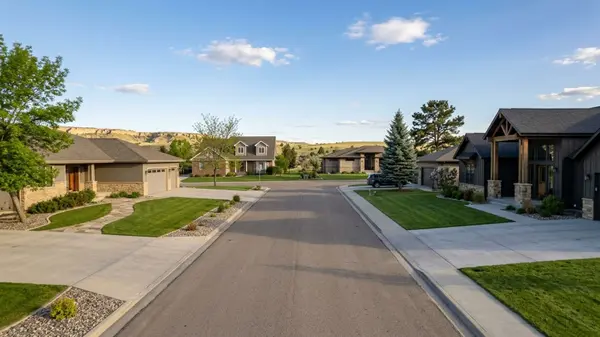
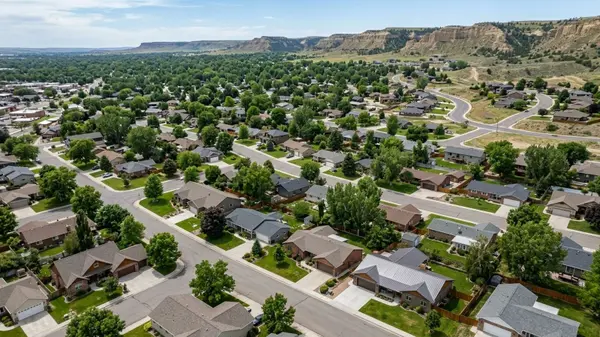
Billings is geographically divided by the Rimrocks and major thoroughfares, creating distinct sections of town that operate almost like separate communities. Finding the best places to live in Montana often comes down to finding the neighborhood vibe that suits your lifestyle.
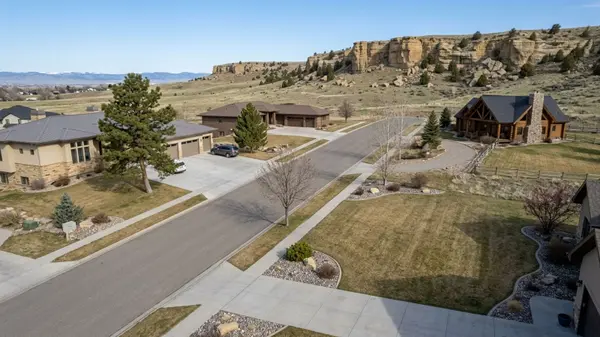
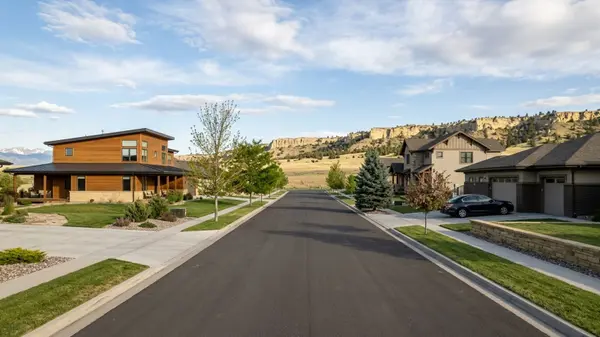
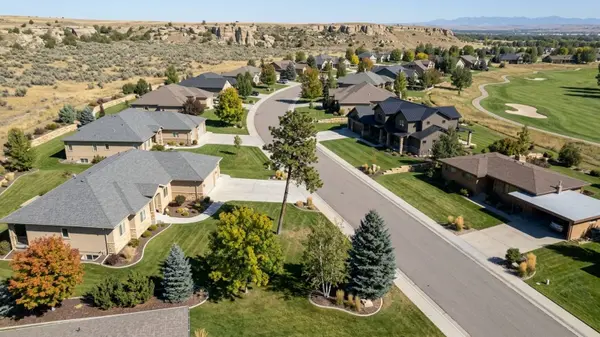
The West End: This is where the most rapid growth is happening. The West End is characterized by newer subdivisions, modern schools, and close proximity to the shopping and dining at Shiloh Crossing. Prices here tend to be higher, but the housing stock is modern.
The Heights: Located northeast of the main city and separated by the Rimrocks, the Heights functions like a town within a town. It is generally more affordable than the West End and has its own Main Street, grocery stores, and amenities. It is a very residential area with a strong sense of community.
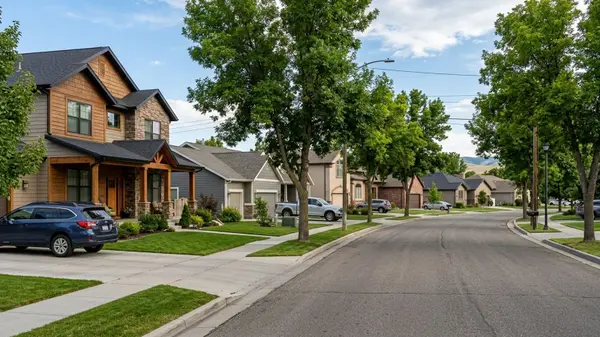
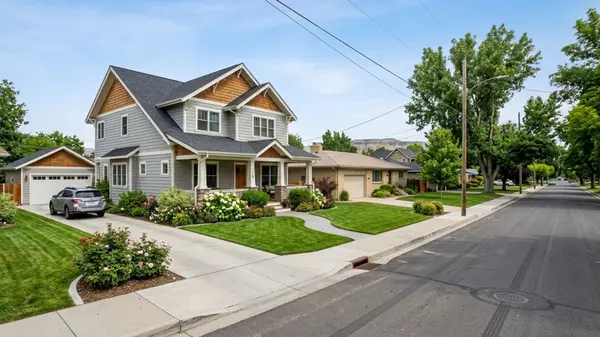
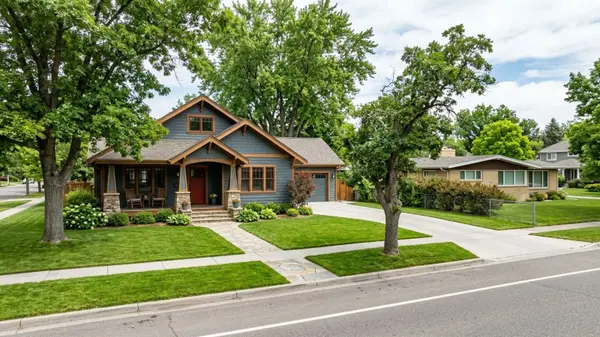
North Elevation and Downtown: If you love historic character, the streets north of downtown (North Elevation) feature beautiful tree-lined avenues and older, architectural homes. This area is walkable to the breweries, museums, and culture of the downtown corridor.
Josephine Crossing: For those who like a master-planned feel, Josephine Crossing offers a "front-porch living" concept near the river. It features pocket parks and narrow streets designed to slow down traffic and encourage neighbor interaction.
Lockwood: Technically a separate community to the east, Lockwood has an industrial mix but offers more affordable housing options and larger lots. It has its own school district and a distinct identity from Billings proper.
Weather: What to Expect
The climate in Billings is semi-arid, meaning it is dry and can be subject to wide temperature swings. You will experience four very distinct seasons here.
Winter is the headline grabber. Temperatures can drop well below zero, but Billings has a secret weapon: the Chinook winds. These warm winds blow off the eastern slopes of the Rockies and can raise temperatures from near zero to 40 or 50 degrees in a matter of hours. It is common to have a heavy snow followed by a Chinook that melts everything within a day or two.
Summers are hot and dry, often reaching into the 90s. It’s a "dry heat," which makes it much more tolerable than humid climates, and the evenings usually cool down nicely. However, you should be prepared for wind. It is a windy city year-round, which can take some getting used to for newcomers.
Schools and Education
For households with students, the education landscape is robust. Billings Public Schools (District 2) is the largest district in the state, offering a wide variety of specialized programs and extracurriculars across its major high schools: West High, Senior High, and Skyview.
If you prefer private education, there are several established options, including Billings Central Catholic High School, Billings Christian School, and Grace Montessori.
For higher education, the city feels like a college town in pockets. Montana State University Billings offers a range of undergraduate and graduate degrees, while Rocky Mountain College provides a private liberal arts experience.
Transportation and Commuting
Life in Billings revolves around the car. The city layout is sprawling, and while traffic congestion is minimal compared to big cities, getting from one side of town to the other can take 20 to 30 minutes. You will encounter some bottlenecks on Main Street in the Heights or Shiloh Road during rush hour, but "gridlock" isn't really a thing here.
Public transit is available through the MET bus service, but routes and frequency are often limited, making it difficult to rely on for a daily commute if you work irregular hours.
For travel out of state, Billings Logan International Airport (BIL) is a massive asset. It sits on top of the Rims and offers direct flights to major hubs like Denver, Salt Lake City, Minneapolis, and Seattle. It is rarely crowded and makes business travel or vacations very low-stress.
Lifestyle: Outdoors and Culture
The lifestyle here is active. The Rimrocks are the defining geological feature of the city. Locals head to Swords Park or Zimmerman Park to hike, bike, or just watch the sunset over the Beartooth Mountains in the distance.
The Yellowstone River flows right through the southern edge of town. Riverfront Park is a popular spot for walking trails and picnics. If you enjoy fishing or kayaking, having the longest undammed river in the lower 48 in your backyard is a major perk.
Culturally, Billings has developed a fantastic brewery scene. There is a high density of walkable breweries in the downtown area, creating a fun "brewery trail" vibe on weekends. You also have easy access to day trips. You can be skiing in Red Lodge, boating in Bighorn Canyon, or exploring history at Pompeys Pillar, all within a short drive.
FAQ: Moving to Billings
Is moving to Billings, MT a good idea?
For most people seeking a balance of affordability and amenities, yes. It offers a strong job market and a lower cost of entry than western Montana, provided you are comfortable with a more high-plains, industrial landscape rather than a dense forest setting.
What is the average cost of living in Billings Montana?
The cost of living sits just below or near the national average. You avoid the "resort pricing" of places like Jackson Hole or Bozeman, and the lack of sales tax helps daily budgets significantly.
Is Billings cheaper than Bozeman?
Yes, significantly. As of 2026, housing costs in Billings are often half of what you might see in Bozeman. It remains a working-class and middle-class accessible market, whereas Bozeman has become cost-prohibitive for many.
What are the winters like in Billings MT?
Winters are cold and can be snowy, but they are broken up by "Chinook" winds. These warm winds frequently melt the snow and raise temperatures dramatically, making the winter much shorter psychologically than in eastern North Dakota or Minnesota.
Categories
Recent Posts

Broker MT License RRE-BRO-LIC-64264
+1(406) 850-3065 | shawna.morales@engelvoelkers.com