
The Magic City: A Timeline of Resilience and Growth
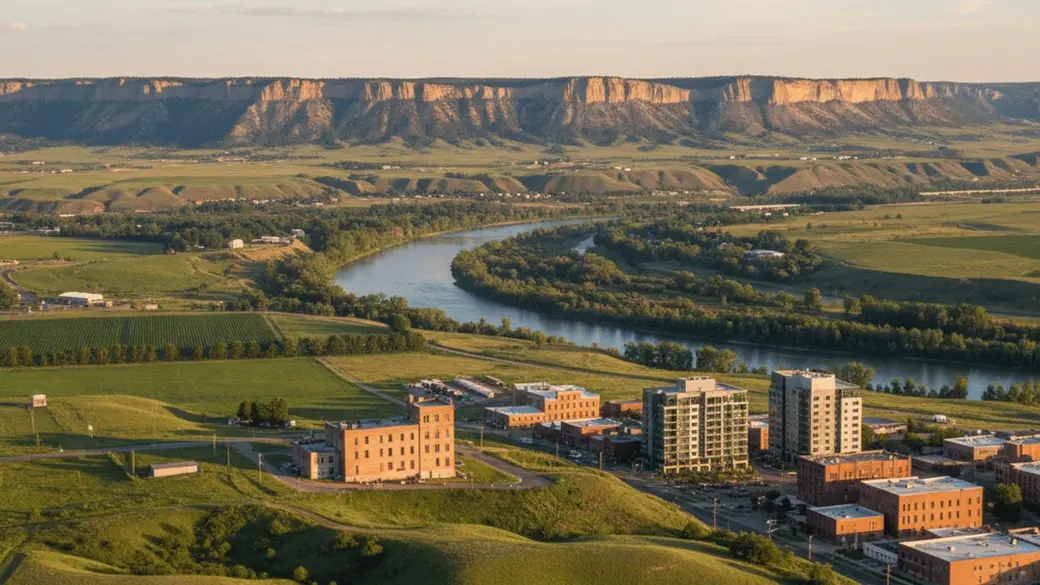
If you’ve spent more than five minutes chatting with a local here, you’ve probably heard Billings referred to as the "Magic City." It’s a nickname that sticks, but it doesn’t come from magicians or illusions. It comes from speed. Back in the late 19th century, this city seemed to sprout from the dust of the Yellowstone Valley almost overnight, growing so fast that observers said it was like magic.
Today, as we move through 2026, Billings has cemented its reputation as the "Midland Empire"—the absolute economic engine for a massive 125,000-square-mile region stretching across Montana and Wyoming. But to really understand why this city looks and feels the way it does—from the brick facades of Montana Avenue to the sprawling subdivisions of the West End—you have to look at how we got here.
The story of Billings isn't just about a railroad; it's a story of cowboys, sugar beets, oil, and a community that knows how to rebuild when the river rises. For anyone considering living in Billings or investing in our market, understanding this history gives you a much better appreciation for the resilience built into our foundation.
Before the Railroad: The Valley of the Chiefs
Before there were surveyors or steam engines, the Yellowstone Valley was already a vital corridor. We aren't just talking about a few decades of history here; archaeological evidence at the nearby Pictograph Cave shows human habitation dating back over 2,000 years.
For centuries, this valley was the domain of the Apsáalooke, or Crow Nation. They utilized the area along the Yellowstone River primarily as wintering grounds because the valley floor offered shelter from the harsh plains weather and the river provided water and game. The Rimrocks—the sandstone cliffs that frame our city today—served as natural lookouts.
The Indigenous name for the area was "Ammalapáshkuua," which translates to "Where they cut wood." It referenced the heavy timber along the riverbanks, a resource that would eventually attract the very railroad that changed everything.
1882: The Iron Horse and the Birth of a City
If you look at the downtown Billings real estate grid today, you are looking at the direct ambition of the Northern Pacific Railroad. In 1882, the railroad pushed westward, and they needed a railhead in the valley.
Originally, there was a small river town nearby called Coulson. The residents of Coulson expected the railroad to build a depot there and make them rich. Instead, the Northern Pacific decided to plat a brand new town just a couple of miles away, effectively bypassing Coulson.
This new town was named after Frederick Billings, the president of the Northern Pacific Railroad. The railroad’s energetic promotion worked a little too well. Within weeks of the town site being platted in 1882, thousands of lots were sold. Tents and shacks went up by the hour. In just a few months, the population jumped to nearly 2,000 people. The town of Coulson faded away, absorbed by the booming neighbor that had seemingly appeared out of thin air—giving birth to the "Magic City" legend.
Cattle, Crops, and the Immigrant Experience
Once the tracks were laid, the economy shifted from construction to production. Initially, this was the era of the open range. Cattle barons ran massive herds across the plains, shipping them east via the new rail connection. However, the brutal winter of 1886-1887—often called "The Great Die-Up"—decimated the herds and forced the region to rethink its reliance on open-range ranching.
The solution was water. The development of extensive irrigation ditches, specifically the Billings Bench Water Association (BBWA) canal, transformed the dry sagebrush valley into lush farmland.
By the early 1900s, the Great Western Sugar Company had established a sugar beet factory here, which became a cornerstone of the local economy. This industry did more than just produce sugar; it shaped the cultural fabric of the city. The sugar beet fields drew hardworking immigrant families—German-Russians, Japanese, and Mexican laborers—who settled largely in the South Side. This created a diverse, vibrant community whose influence is still felt in the city's festivals and food today.
20th Century Shifts: From Oil Boom to Medical Hub
As the 20th century rolled on, Billings proved it wasn't a one-trick pony. While agriculture remained vital, two new industries began to drive jobs in Billings and fuel the city's expansion.
First came the energy boom. Following oil discoveries in the Elk Basin and later the Williston Basin, Billings became a refining center. If you drive along the interstate today, you’ll still see the refineries that anchored the city’s industrial base and earned it the title of Montana's energy capital.
However, the second half of the century saw a softer, yet equally powerful shift: the rise of healthcare. Post-WWII, facilities like St. Vincent Healthcare and the Billings Clinic began to expand rapidly. By the time we hit the 2000s, Billings had transformed into a medical destination for patients from the Dakotas, Wyoming, and across Montana. Alongside the growth of Eastern Montana College (now MSU Billings), this diversified the economy, protecting local homeowners from the boom-and-bust cycles typical of pure energy towns.
Turning Points: Disasters and Resilience
You can't talk about the cost of living in Billings or the stability of our market without mentioning how we handle trouble. The Yellowstone River is the lifeblood of the valley, but it can also be a formidable force.
- The Great Flood of 1937: This was a defining moment where snowmelt combined with nearly 3 inches of rain and hail devastated the valley. It destroyed homes but led to the modern flood control measures we rely on today.
- The Fires of 1988: While not inside the city limits, the massive Yellowstone National Park fires blanketed Billings in smoke for weeks, a visceral reminder of our connection to the broader ecosystem.
- The 2022 Floods: Looking back just four years ago to the historic floods of 2022, we saw the river hit levels not seen in lifetimes (a "500-year" event). It damaged infrastructure and homes along the river bottoms, yet the community response was immediate. The cleanup and rebuilding efforts showcased the grit that has defined this town since 1882.
Neighborhood History: From the Grid to the Rims
When I’m showing homes, I like to explain that the city’s layout is a timeline of its history. You can literally drive through the different eras of development.
- Historic Downtown: This is the original 1882 footprint. It follows the railroad tracks. Today, many of those old brick warehouses have been converted into breweries, lofts, and tech spaces.
- The South Side: As mentioned earlier, this area has deep working-class roots. It offers some of the most affordable historic architecture in town and retains a strong sense of community heritage.
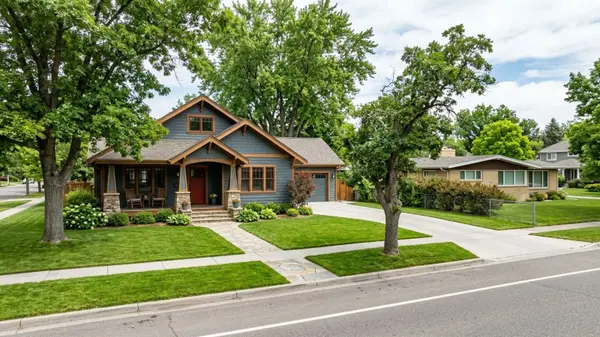
- Moss Mansion & Central-Terry: In the early 1900s, the wealthy elite, like entrepreneur Preston Moss, built grand homes just north of the tracks. The Moss Mansion (built in 1903) remains a stunning example of this era.
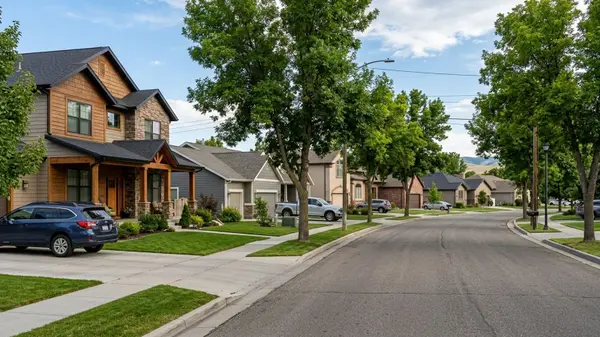
- The Heights: After World War II, the population spilled over the Rimrocks. Billings Heights real estate boomed as a suburban solution, offering families more space and newer schools.
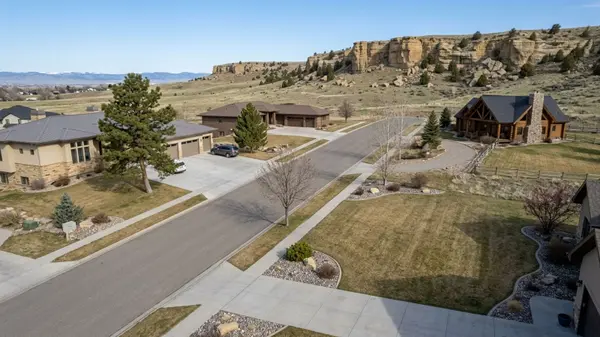
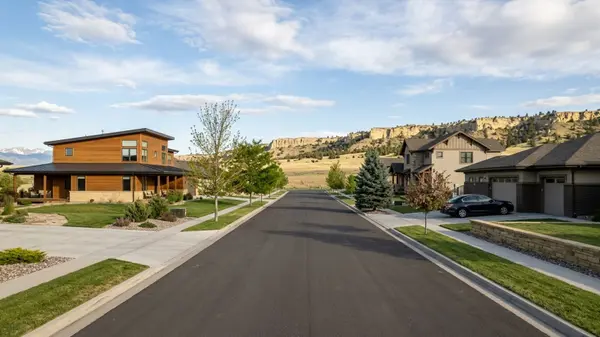
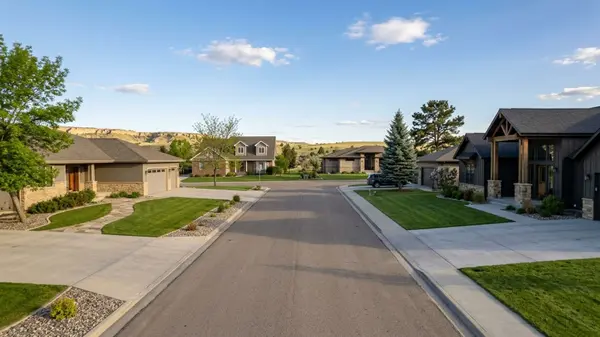
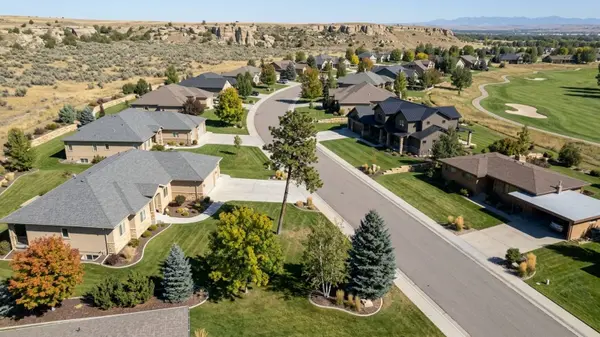
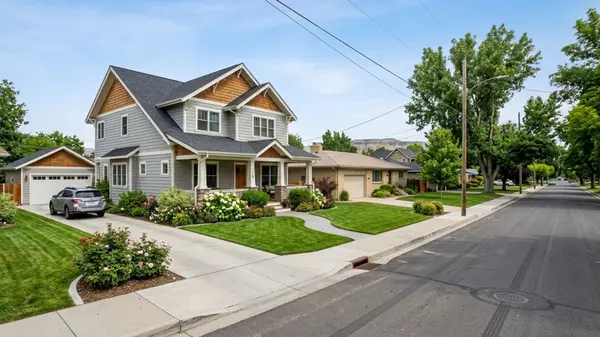
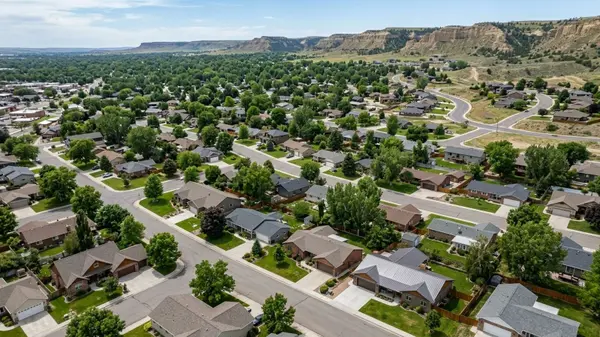
- The West End: This is the modern chapter. From the 1970s through today, farmland has been steadily converting into residential subdivisions. It’s where most new construction happens, driven by buyers looking for modern amenities and proximity to the new commercial corridors.
Billings Today: A Legacy of Adaptation
So, what does this history mean for us in 2026? It means Billings is a city of layers. It’s a place where you can grab coffee in a renovated depot that once served steam trains, then drive ten minutes to a state-of-the-art medical campus.
We’ve evolved from a tent city of 2,000 people to a regional metropolis, but the spirit hasn’t changed much. It’s still a place that values hard work, welcomes newcomers who are ready to contribute, and manages to grow "like magic" while keeping its feet firmly planted on the ground.
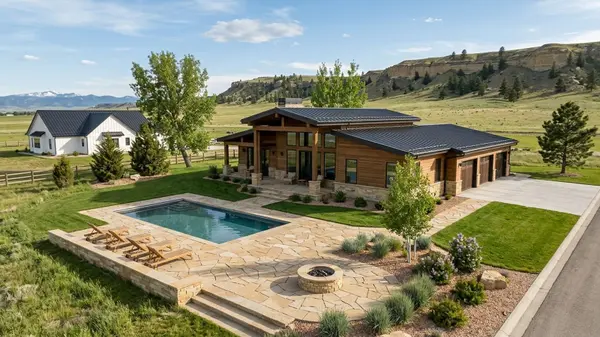
Whether you're looking for historic neighborhoods with character or homes in the West End with three-car garages, you are buying into a city with a story that is still being written.
Frequently Asked Questions About Billings History
Why is Billings, Montana called the Magic City?
Billings earned the nickname "Magic City" because of its incredibly rapid growth shortly after its founding in 1882. The town grew from a simple railroad stake to a bustling city of over 2,000 people in just a few months, appearing to observers as if it had sprung up by magic.
When was Billings, Montana founded?
Billings was officially founded in 1882. It was established as a western railhead for the Northern Pacific Railroad, which quickly spurred the development of the city's infrastructure and population.
Who was Billings, Montana named after?
The city was named after Frederick Billings, who served as the president of the Northern Pacific Railroad at the time of the city's founding. He was instrumental in routing the railroad through the Yellowstone Valley.
What Native American tribes are from the Billings area?
The Billings area, historically known as the Yellowstone Valley, was primarily the territory of the Apsáalooke (Crow) Nation. However, the area was also a crossroads and hunting ground utilized by other tribes, including the Cheyenne and Lakota, due to the resources provided by the river and the Rimrocks.
What is the oldest building in Billings?
While there are several historic structures, the Moss Mansion (completed in 1903) is one of the most prominent and well-preserved historic homes in the city. The Western Heritage Center, housed in the former Parmly Billings Memorial Library (built in 1901), and the Billings Depot (built in 1909) are also among the city's most significant surviving historic landmarks.
Categories
Recent Posts

Broker MT License RRE-BRO-LIC-64264
+1(406) 850-3065 | shawna.morales@engelvoelkers.com