
Billings vs. Shepherd: Choosing Your Montana Lifestyle
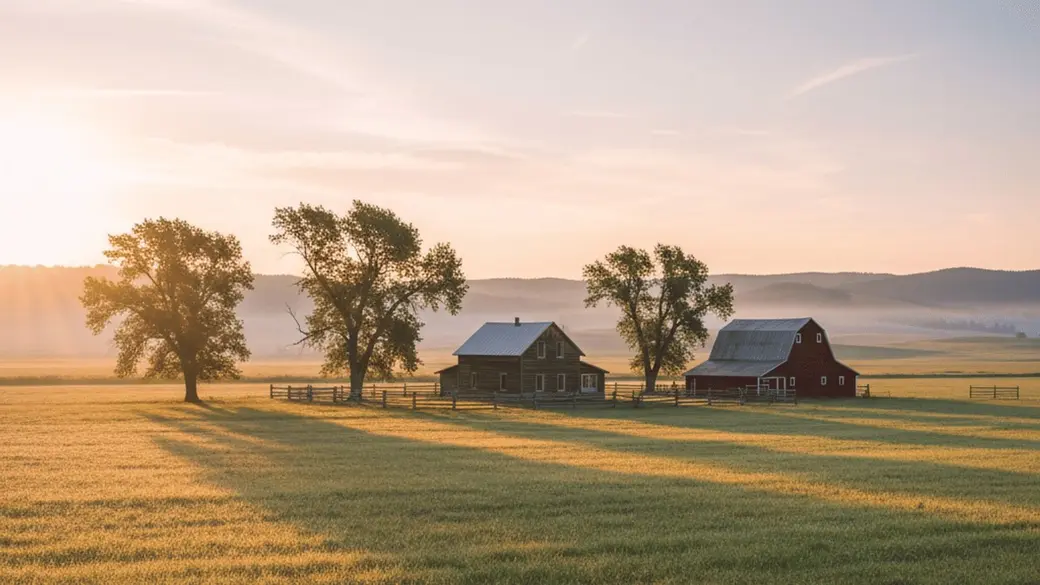
When you’re looking to put down roots in Yellowstone County, the decision often comes down to a simple trade-off: Do you want the convenience of the city or the elbow room of the country?
For many buyers, this debate centers on Billings versus Shepherd. While they are distinct communities, they are surprisingly close neighbors. Shepherd acts as a bedroom community to Billings, sitting just about 15 to 20 miles northeast. It’s a short enough drive that you can easily work in the city and sleep in the country, but the lifestyles are worlds apart.
As we move through early 2026, inventory in both markets has started to stabilize, giving buyers a bit more breathing room than we saw a few years ago. However, the core difference remains the same. Living in Billings offers an urban environment with municipal services and immediate access to everything, while Shepherd offers open skies, acreage, and a quiet rural pace.
Real Estate Market Comparison
The types of properties you’ll find in these two areas are fundamentally different, and understanding that mix is key to setting your expectations.
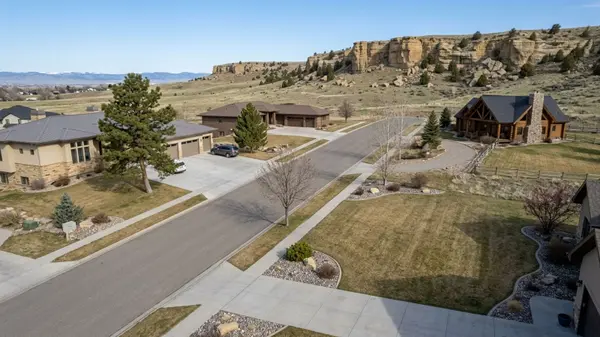
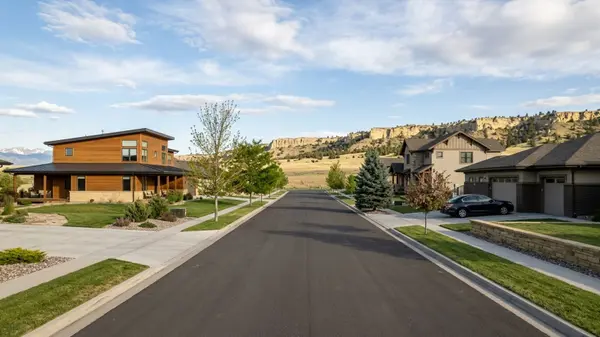
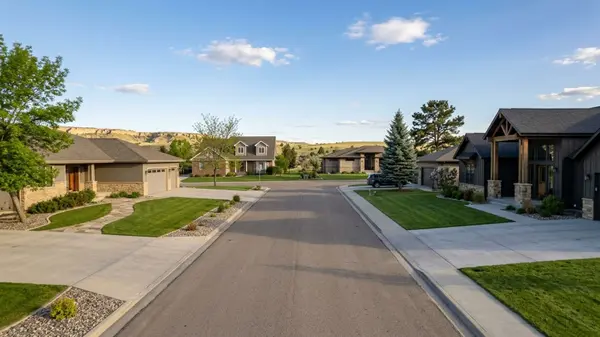
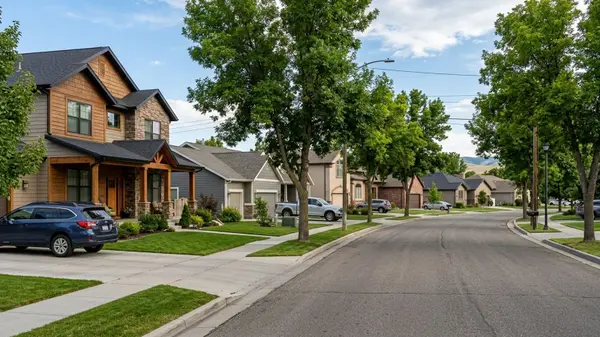
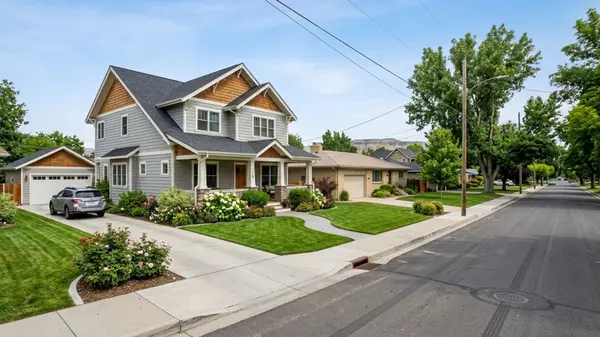
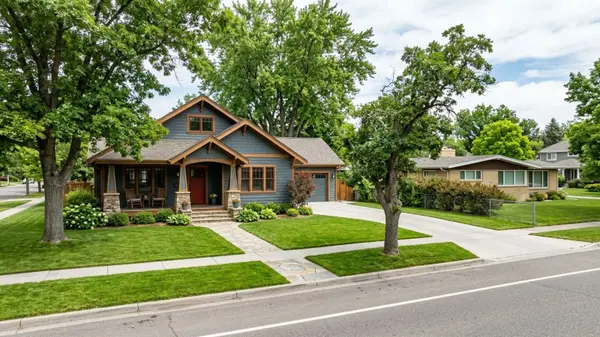
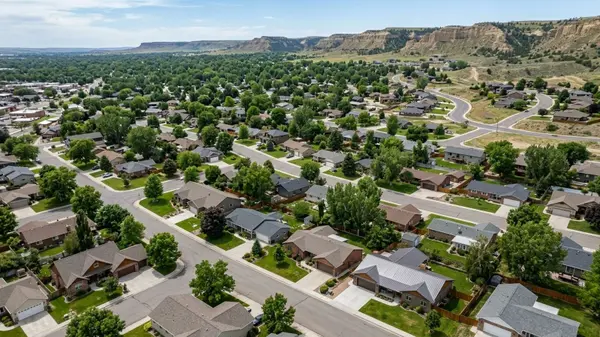
In Billings, the housing stock is incredibly diverse. Depending on the neighborhood, you might find a historic craftsman near downtown, a low-maintenance townhouse, or a modern build in a new subdivision in the West End or the Heights. In almost all these cases, you are buying a home connected to city water and sewer, usually on a lot smaller than half an acre.
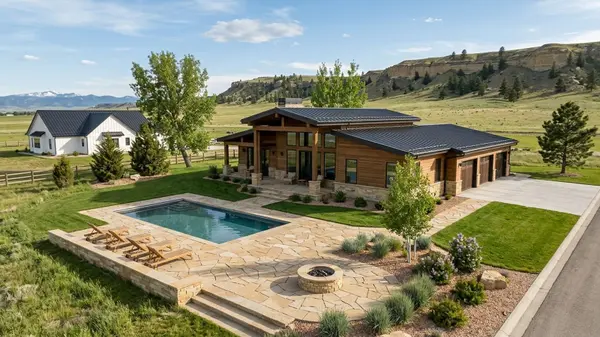
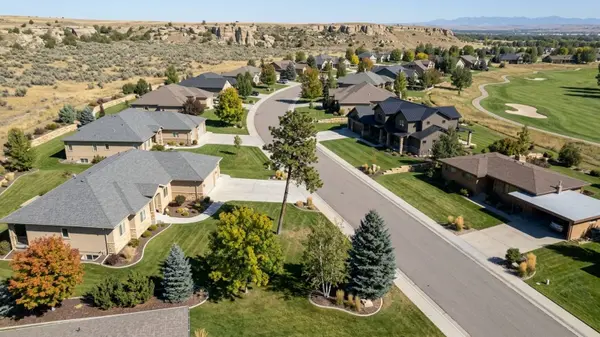
When you start looking at Shepherd homes for sale, the script flips. Here, the market is predominantly single-family homes sitting on larger parcels—typically one acre or more. It is rare to find a "city lot" in Shepherd. Because of this, you are dealing with private wells and septic systems rather than city utilities.
Market availability also differs. Billings naturally has a higher volume of homes, meaning more turnover and more options at any given time. Shepherd is a tighter market; good properties with usable land and outbuildings tend to move quickly because the demand for that "rural freedom" is high.
Price dynamics are interesting here. In Billings, you can find entry-level condos or fixer-uppers at lower price points. In Shepherd, the entry price is often higher because you aren't just buying a house—you're buying land. As of early 2026, median sale prices in Billings are hovering around the $375,000 to $395,000 range. Meanwhile, Shepherd home values often sit between $335,000 and $450,000+, with prices climbing significantly if the property includes a large shop or irrigated acreage.
Cost of Living & Taxes
If you are just looking at the sticker price of a home, you might miss the monthly financial differences between living in the city limits versus the county.
Let's look at property taxes first. This is often the biggest financial draw for moving out of town. If you live in Billings, you pay city levies which cover the police department, fire department, parks, and the library. Residents in Shepherd pay Yellowstone County taxes. Generally, this results in a lower effective tax rate—roughly 0.77% in Shepherd compared to roughly 0.85% or higher inside Billings city limits.
However, the savings on taxes often get reallocated to utilities and maintenance. In Billings, you will have a monthly bill for city water, sewer, and garbage services. In Shepherd, you won't have a water bill (assuming you have a well), but you are responsible for your own infrastructure. You need to budget for well pump repairs, septic tank pumping every few years, and private trash collection services.
Insurance is another factor to watch. Because Shepherd relies on rural fire districts rather than a full-time city fire department, home insurance premiums can sometimes be higher depending on how far the property is from the nearest fire station or hydrant.
Lifestyle: Urban Hub vs. Rural Retreat
The vibe difference between these two is immediate the moment you cross the city limits.
Billings lives up to its nickname as "Montana's Trailhead." It is the industrial and cultural hub of the region. There is a bustling energy here, with access to breweries, concerts at the Metra, and a constant hum of traffic and commerce. It is a mix of blue-collar grit and modern amenities. If you like hearing the buzz of the city and having neighbors right next door, Billings fits the bill.
Shepherd, on the other hand, is quiet. It has deep agricultural roots, and the "neighborhood" feel is much more spread out. At night, the skies are darker, and you are more likely to hear livestock or coyotes than sirens. There is a strong culture of neighbors helping neighbors, but everyone generally respects the privacy that comes with larger lots.
Zoning is a major consideration for lifestyle as well. If you dream of building a massive shop to store your RV, boat, and toys, or if you want to keep horses and chickens, Shepherd is far more accommodating. Billings zoning regulations and HOA covenants often restrict the size of outbuildings and the types of animals you can keep.
Education: School District Comparison
For households with students, the difference in school environments is one of the most significant factors in the move.
Billings Public Schools (SD2) is the largest district in the state. This scale offers advantages in terms of variety. Students have access to multiple large high schools (West, Senior, Skyview) which offer extensive AP courses, specialized electives, and a massive range of sports and clubs. If a student wants to specialize in something niche, a large district usually has the resources to support it.
Shepherd School District offers a completely different experience. The schools—elementary, middle, and high school—are all located on a single campus. This creates a very cohesive environment where students often grow up together from Kindergarten through graduation. The student-teacher ratio is generally lower, around 16:1, allowing for more personal attention.
The choice really comes down to what fits the student best. Choose Billings for broad variety and specialized programs; choose Shepherd for a smaller, tight-knit community feel where everybody knows everybody.
Amenities, Healthcare & Shopping
When it comes to services, Billings is the undisputed heavyweight. It serves as the medical hub for a massive geographic region, anchored by major facilities like the Billings Clinic and Intermountain Health. No matter where you live in the county, for serious medical needs, you are coming to Billings.
For Shepherd residents, this means emergency care is roughly 20 to 30 minutes away. While Shepherd has local convenience options for grabbing milk or bread, major shopping is a commuter activity.
Living in Shepherd means you have to plan your errands. Billings has Costco, Target, Scheels, and the Rimrock Mall. If you live in Shepherd, you don't just "pop out" to these stores; you usually batch your errands into a trip to town. Similarly, dining and entertainment—movie theaters, diverse restaurants, and nightlife—are centered in Billings. Shepherd’s social scene revolves more around school sports and community events.
Commuting & Transportation
Since most people living in Shepherd still work or shop in Billings, the commute is a daily reality.
The primary route connects via Shepherd Acton Road to Highway 312 or Old Hwy 312. It’s a flat, paved drive that typically takes about 20 to 25 minutes to reach downtown Billings or the Heights. It’s a very manageable commute for most people, roughly comparable to driving from the West End of Billings to the Heights during rush hour.
However, winter driving changes the dynamic. Inside Billings, city streets are plowed and sanded according to city priority schedules. In Shepherd, you are driving on county roads and highways. While they are maintained, the open nature of the landscape means wind can cause significant snow drifting. A vehicle with 4-wheel drive and good snow tires is essentially mandatory for Shepherd residents, whereas a front-wheel-drive sedan can often manage just fine inside the city.
Verdict: Which Community Fits You?
Deciding between these two comes down to how you want to spend your time and money.
Choose Billings if:
- You prioritize convenience and low-maintenance living.
- You want city water and sewer and don't want to manage a well.
- You want your kids to have access to the widest variety of school electives and sports.
- You want to be minutes away from work, hospitals, and restaurants.
Choose Shepherd if:
- You are looking for land (1+ acres) and separation from neighbors.
- You want to build a large shop (barndominium) or keep animals.
- You prefer a lower property tax rate and are willing to handle your own utility maintenance.
- You don't mind a 25-minute drive for groceries to enjoy a quieter, rural lifestyle.
Ultimately, Shepherd offers that classic "Montana Dream" of open space without sacrificing access to the job market in Billings. It’s the best of both worlds for those willing to drive a little to get a lot more land.
Frequently Asked Questions
How far is Shepherd MT from Billings MT?
Shepherd is located approximately 15 miles northeast of Billings. Depending on where you are starting in the city, the drive typically takes between 20 and 25 minutes via Highway 312, making it an easy commute for work.
Are property taxes lower in Shepherd than in Billings?
Yes, generally speaking. Shepherd residents pay Yellowstone County taxes rather than city levies, resulting in an effective tax rate of around 0.77% compared to approximately 0.85% or higher in Billings. However, keep in mind that Shepherd residents cover their own water and septic costs, which offsets some of those tax savings.
Does Shepherd MT have good schools?
Shepherd School District is highly regarded for its small-town feel and lower student-teacher ratios (around 16:1). While it may not have as many specialized AP courses as the large Billings high schools, many families prefer the cohesive, K-12 single-campus environment where students receive more individual attention.
Is it expensive to live in Shepherd Montana?
The cost of living is comparable to Billings but structured differently. While home prices can be higher due to land value (often $335,000–$450,000+), you save on monthly water bills and city taxes. However, you must budget for vehicle fuel for commuting and maintenance for private wells and septic systems.
Categories
Recent Posts

Broker MT License RRE-BRO-LIC-64264
+1(406) 850-3065 | shawna.morales@engelvoelkers.com