
Year-Round Weather Patterns and Climate in Billings, MT
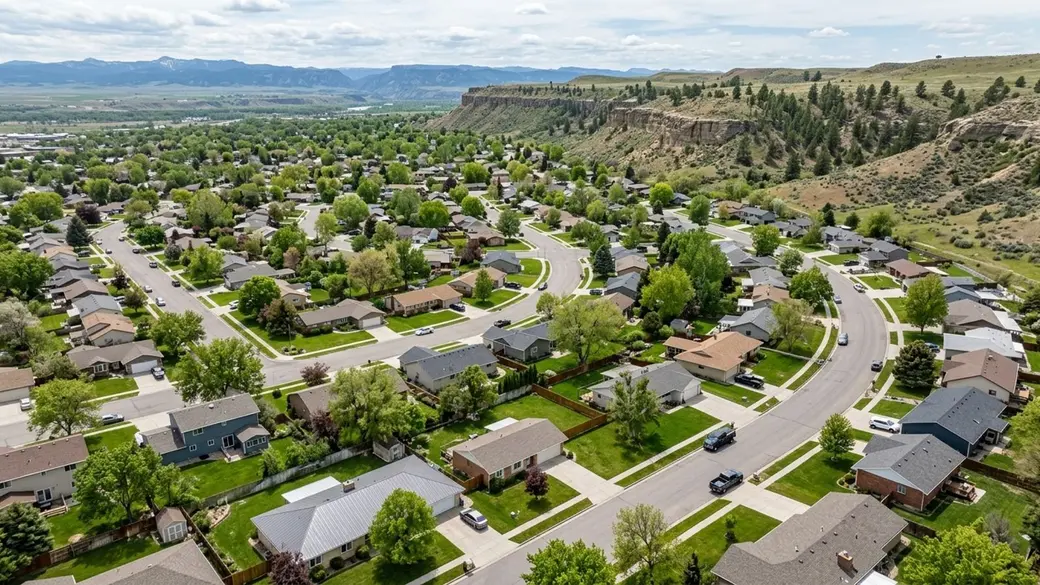
Billings, MT sits at an elevation between 3,100 and 3,600 feet, wedged between the Great Plains and the Rocky Mountains - and that geography drives everything about how the weather behaves for anyone living in Billings, MT. It's one of the first things buyers ask me about before they commit to a purchase in the Yellowstone Valley, and it's a fair question.
The local market currently has around 583 homes available, with a median sale price of roughly $389,900. Whether you're touring properties in July heat or scheduling a move in the middle of January, knowing what the climate actually does - month to month, season to season - will save you from a few unpleasant surprises.
Understanding the Billings Climate Zone
Billings falls into a specific climate classification that shapes how much moisture the area receives and how hard the temperature swings hit. The short version: plenty of sunshine, relatively low annual precipitation, and dry air for most of the year.
That low humidity is actually one of the things people come to appreciate. You won't get the heavy, sticky heat you'd deal with along the coast or in the South. The dry air also changes how winter cold feels - 20 degrees in Billings registers differently than 20 degrees somewhere damp. That said, cold is still cold.
The Semi-Arid Steppe Classification
Billings carries a semi-arid, or steppe, climate - officially classified as Köppen BSk, which stands for Mid-latitude Steppe. Some sources occasionally label the area as humid continental because of its borderline position near the Rockies, but the official NOAA climate summary designates it as a semi-arid zone. Warm summers, cold winters, moderate temperature shifts, no excessive moisture.
Seasonal Weather Expectations in Yellowstone County
Every season in Billings brings a genuine change - a full shift in what you're dealing with day to day, rather than a slight temperature adjustment. That affects commutes, home maintenance, and how you plan a move.
The transitions between seasons can happen fast. Spring and fall especially tend to swing from one day to the next, which is worth knowing if you're scheduling inspections, final walkthroughs, or moving trucks during those windows.
Summer Conditions
July is the hottest month, with average daily highs near 86 degrees Fahrenheit. Heat waves can push that higher. The saving grace is the low humidity - the heat doesn't sit on you the way it does in more humid climates. Evenings cool down noticeably, which makes outdoor time after sunset genuinely comfortable.
Winter Realities
January is the coldest month, with average nighttime lows around 14 degrees Fahrenheit. Snow is regular, and freezing conditions stick around for several months. Before you buy a house here, make sure you know the age and condition of the heating system - this is not a climate where a furnace running on borrowed time is an acceptable gamble.
Spring and Fall Transitions
May is the wettest month, averaging roughly 2.5 inches of precipitation, mostly as rain - and spring generally delivers the majority of the year's moisture. Fall is shorter but usually offers mild, comfortable temperatures right up until the first frost shows up. Both shoulder seasons are marked by rapid weather shifts. Keep a jacket in the car even when you leave the house in a t-shirt.
Monthly Temperature Trends for the Area
The annual temperature range in Billings runs from roughly 20 degrees Fahrenheit to 90 degrees Fahrenheit. These figures are based on 1991 to 2020 NOAA climate normals, which gives you a solid, reliable baseline rather than a single unusual year skewing the picture.
That 70-degree spread is the number that shapes the local lifestyle more than anything else. It tells you what your HVAC system needs to handle, what your utility bills will look like across seasons, and what kind of home features actually matter here.
Hottest and Coldest Months
July averages 86 degrees Fahrenheit at the high end; January drops to around 14 degrees Fahrenheit at night. A home in Billings needs to handle both ends of that range without struggling. When you're touring properties, look at the furnace and the air conditioning units as seriously as you look at the kitchen - they're doing heavy work here.
Monthly Temperature Ranges
Outside the peaks, things moderate considerably. April and October typically see daytime highs in the 50s and 60s - good weather for outdoor projects and property maintenance. November through March generally holds daytime highs in the 30s and 40s. Running those monthly averages through your head while you're budgeting for utilities will give you a more accurate picture of the cost of living in Billings.
Rain, Snow, and Humidity Levels
Low overall precipitation doesn't mean weather is a non-issue - it means the timing and form of that moisture matters more. Snow accumulation in winter and heavier rain in late spring are the two patterns that drive the most home maintenance decisions in Billings.
Humidity adds another layer. How dry or damp the air feels shifts through the year, and that changes how the temperature registers - and how your belongings and your home's materials hold up.
Annual Snowfall Expectations
NOAA climate normals put average annual snowfall at about 35 inches, though some estimates - depending on the data source and time period - place it between 46 and 54 inches. Either way, you're clearing snow regularly from late fall through early spring. Budget for reliable snow removal equipment and plan the time for it.
Rainfall and Humidity Swings
Total annual precipitation runs about 15 inches. January, the driest month, averages only about 0.56 inches of moisture. May brings the bulk of the rain. Average relative humidity sits around 55 percent annually - but that number moves around. August drops to a dry 40 to 45 percent, while December and January climb to between 61 and 76 percent.
Local Severe Weather and Natural Hazards
High winds, summer thunderstorms, and wildfire smoke are the main environmental hazards buyers need to think about in the Yellowstone Valley. These aren't theoretical concerns - they're regular features of life here, and they have direct implications for insurance, home maintenance, and air quality.
Storms and High Winds
Wind events happen most often during spring and fall, and they can do real damage to roofs, fences, and mature trees. Summer brings thunderstorms that sometimes carry hail. Ask about the roof's age and condition on every property you visit - it's one of those line items that buyers sometimes skip and then regret.
Summer Heat and Wildfire Risks
The heat-plus-low-humidity combination creates dry conditions that make the region prone to wildfires. The city of Billings is generally insulated from direct fire, but smoke from regional fires settles into the valley and can affect air quality for days or weeks at a stretch in late summer. If you're sensitive to air quality, check that any home you're considering has a solid indoor filtration setup.
Timing Your Move to the Yellowstone Valley
Homes here sell in a median of roughly 57 days, which gives anyone moving to Montana a reasonable window to think through the logistics of when to relocate. The timing choice is worth making deliberately.
Moving in January or peak July isn't impossible, but both require extra preparation that most people underestimate until they're standing in a parking lot with a loaded truck in 10-degree weather.
Ideal Months for Relocating
May, June, September, and October are the practical sweet spot - moderate temperatures and a lower risk of the storms or extreme cold that complicate moving days. If winter is your only option, watch the short-term forecast closely. A sudden snowstorm can delay travel and make carrying heavy furniture genuinely dangerous.
Shopping for Homes in Different Seasons
Winter showings are actually useful. You can see how well a home holds heat, whether the windows are drafty, and which driveways are going to be a problem every morning. Summer tours show you how effectively the air conditioning handles the upper floors. Visiting during a heavy May rainstorm tells you things about drainage and basements that a sunny-day walkthrough won't.
How the Weather Impacts Billings Real Estate
That 72-degree swing between deep winter and peak summer isn't just a climate fact - it's a design requirement. It shapes what materials hold up, what maintenance you'll be doing, and what the hidden costs of ownership look like beyond the mortgage payment.
Things like winterizing irrigation systems or paying for climate-controlled storage don't show up in the listing price, but they're real costs for homeowners here.
Evaluating Homes for Sale
With around 583 homes on the market right now, you have options - but not every home is built to handle this climate equally well. Pay attention to exterior materials, roofing condition, and landscaping choices. Drought-tolerant plants are a practical call for the dry August months, and sturdy roofing materials matter when hail and wind are regular visitors.
An attached garage ranks high on most buyers' lists here - it protects vehicles from both winter snow and summer sun. Also check the grading around the foundation. The heavy May rains need somewhere to go, and you want that direction to be away from the house.
Climate-Controlled Storage Needs
The swing from 14 degrees Fahrenheit in January to 86 degrees Fahrenheit in July isn't friendly to wooden furniture, electronics, or artwork. If you're storing belongings during a move, renting climate-controlled storage in Billings, MT is the right call - standard units won't maintain the consistent temperature and humidity levels that protect sensitive items from those seasonal extremes.
Frequently Asked Questions
When is the best time of year to sell a house in Billings considering the winter weather?
Spring and early summer are generally the best times to sell. The weather is milder, and buyers are more willing to attend showings when they don't have to drive through snow or endure the 14-degree January nights.
How do frequent hail storms in Billings impact homeowners insurance and roof inspections for buyers?
Hail causes real wear on shingles, which is why roof inspections are a standard part of the buying process here. Verify the roof's condition carefully - previous storm damage can affect your ability to secure affordable homeowners insurance.
Are homes on the Billings Rimrocks more susceptible to severe wind damage than other neighborhoods?
Properties situated higher up on the Rimrocks tend to see stronger wind gusts than homes sheltered in the valley. If you're looking at an elevated location, make sure the roofing and siding are rated for high wind exposure.
What happens to my real estate closing date if a major snowstorm or blizzard hits Billings?
A severe blizzard can delay a closing if the title company loses power or if the final walkthrough can't be completed due to unplowed roads. Most purchase agreements allow for short extensions when extreme weather prevents the transaction from funding on time.
What specific winterization and weatherproofing features do buyers look for most in a Billings home?
Heavy insulation, high-efficiency furnaces, and updated draft-free windows are at the top of the list for handling the freezing winter months. Attached garages and heated driveways also rank high - anything that reduces the daily friction of dealing with 35 inches of annual snowfall.
Do I need a specialized foundation inspection in Billings due to the extreme freeze-thaw cycles?
A standard home inspection usually covers it, but your inspector will look closely for cracking caused by the ground freezing and thawing. If that inspection turns up significant settling or shifting, bring in a structural engineer for a closer look before you proceed.
Categories
Recent Posts

Managing Broker & License Partner MT License RRE-BRO-LIC-64264
+1(406) 850-3065 | shawna.morales@engelvoelkers.com