
Buying a House Near Hospitals in Billings, MT
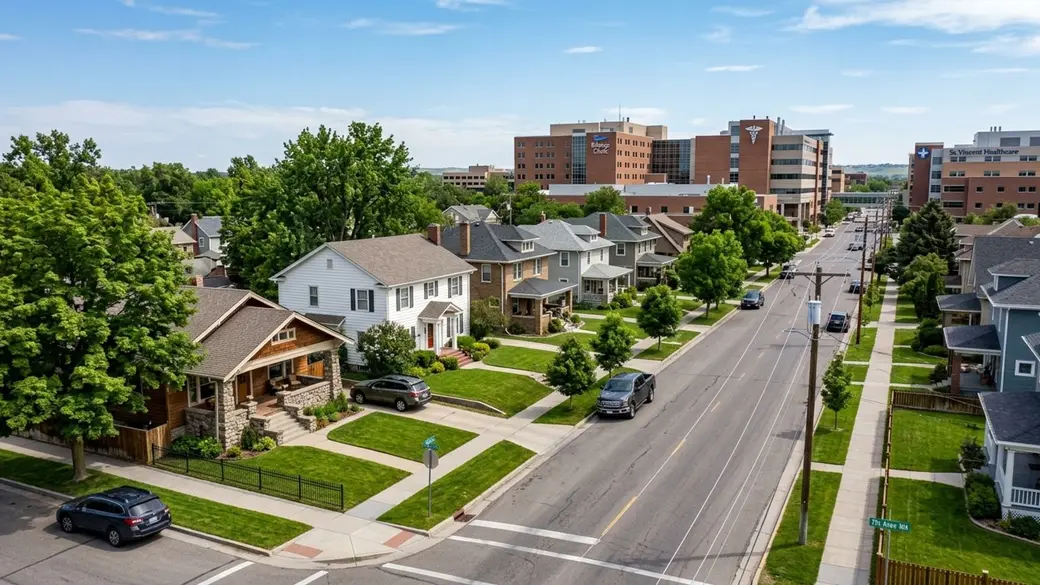
Billings isn't just Montana's largest city - it's the medical hub for a region that stretches across Montana and Wyoming. Many people choose living in Billings for healthcare jobs, for access to specialized care they can't get anywhere else within a few hundred miles, or both. The downtown medical corridor sits at the center of all that, with clinics, labs, and emergency services packed into a relatively tight footprint.
The citywide median home price right now is around $389,900, with roughly 583 homes on the market. That range covers everything from historic downtown houses to modern condos. If you're buying near one of the major medical campuses, though, what you really need to understand is the local geography, where the neighborhood boundaries actually fall, and how the transit routes connect to the hospitals.
The Healthcare Landscape in Yellowstone County
The medical district clusters around downtown, which means the housing demand from hospital employees is concentrated in a fairly defined area - not spread thin across the whole metro. Two major full-service hospitals anchor the corridor, and both operate as Level I Trauma Centers. That designation matters for the region, because it means Billings can handle severe emergencies that smaller communities can't.
The city also supports specialized facilities like the Advanced Care Hospital of Montana, which handles long-term acute care for patients needing extended recovery. Because all of this sits close to the city center, the surrounding neighborhoods are noticeably more walkable than most of the metro area - which is worth something if you're weighing a daily commute on foot or by bike.
Major Medical Centers in Billings
The downtown medical corridor runs primarily along North 27th Street and Montana Highway 3. Both of the region's largest hospitals sit within this stretch, fully equipped and operating at capacity in what amounts to a dense, active commercial zone in the middle of the city.
Two major facilities within blocks of each other means the surrounding streets see consistent traffic - commuters, emergency vehicles, shift changes. If you're buying in this immediate footprint, that's part of the deal. The tradeoff is being minutes from work or from care, depending on why you're here.
Billings Clinic Hospital
Located at 2800 10th Ave N, Billings Clinic Hospital is a 336-bed facility and holds the distinction of being the largest healthcare system in Montana and Wyoming. It established the state's first Level I Trauma Center.
The campus takes up a significant portion of the downtown medical district. If you buy in one of the adjacent residential zones, walking or biking to a shift is genuinely realistic.
Intermountain Health St. Vincent Regional Hospital
About a mile away at 1233 N 30th St, Intermountain Health St. Vincent Regional Hospital has been part of this community for over 125 years. It operates 286 beds and carries its own Level I Trauma Center designation. Specialized services include Heart & Vascular, Neuroscience, Oncology, Orthopedics, and Women's Services.
The facility's footprint blends into the surrounding blocks - large medical buildings sitting next to older residential streets in a way that's pretty typical of this part of the city.
Neighborhoods Bordering the Medical District
Downtown Billings sits directly against the medical corridor. It's an urban environment - older brick buildings, historic rental units, the full commercial and healthcare activity of the city center. This area also puts you close to places to shop and local restaurants. If that's your preference, typical rents for those historic units run around $1,250 per month.
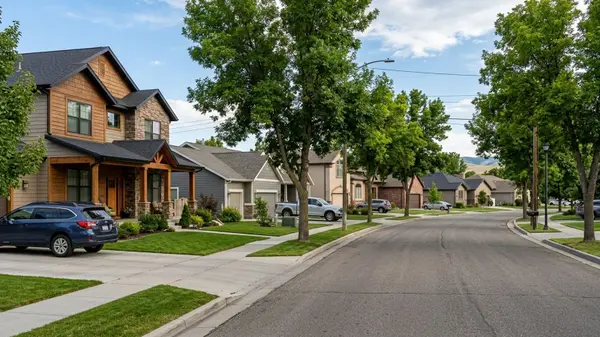
Central-Terry Park is a different feel. It's adjacent to the medical district but offers tree-lined streets and historic properties that buffer it from the busier hospital blocks. Think of it as one step removed from the intensity of the corridor itself, without giving up proximity.
Housing Types and Local Architecture
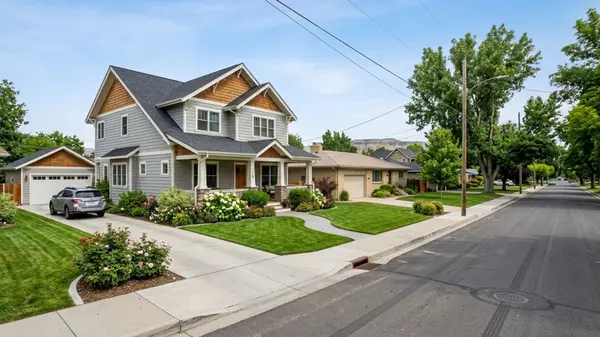
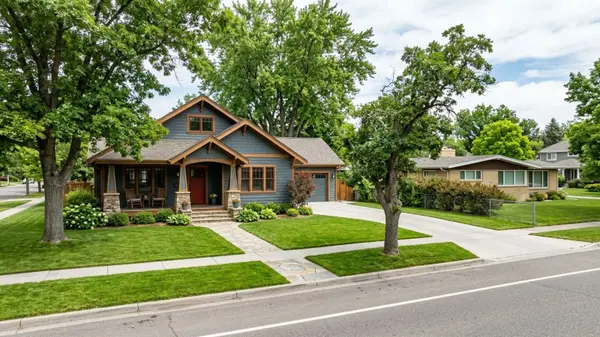
The housing stock near the hospitals varies quite a bit depending on which street you're on. Central-Terry Park runs the full range - modest single-family homes on one end, historic mansions along Clark Avenue on the other.
First-time buyers tend to look toward the South Side or Central-Terry for a more accessible entry point. Older, established homes with mature landscaping and traditional layouts are the norm in both areas.
Commute Times and MET Transit Routes
If you'd rather skip the parking situation at the medical campuses entirely, MET Transit is worth knowing. The system runs 13 fixed bus routes with 448 stops, which gives you solid coverage from most parts of the city of Billings.
Route 1 connects the Downtown Transfer Center to the medical district via North 27th Street. Buses 1, 3, and 5 all stop near Billings Clinic - the closest stop at North 27th Street and 9th Avenue North puts you about a five-minute walk from the hospital entrance.
Home Prices Near the Medical Corridor
Here's something that surprises a lot of buyers: the neighborhoods closest to the downtown medical district actually trend below the citywide median, not above it. The citywide median sale price is $389,900. In Central-Terry Park, that number drops to around $295,000. East Central Billings runs closer to $320,000. The older housing stock and smaller lot sizes in the historic core account for most of that gap. Finding a home in these neighborhoods can help lower your overall cost of living in Billings.
You can find homes under $325,000 in neighborhoods like the South Side or Central-Terry - which is a real advantage if you're a healthcare worker trying to live near your employer without stretching your budget.
Homes in Billings are currently sitting on the market for a median of 57 days, with about a four-month supply of inventory. That's not a frantic pace, but anything priced under $325,000 tends to draw attention from first-time buyers and medical residents quickly. If that's your target range, you'll want to stay on top of new listings.
Frequently Asked Questions
Which are the main hospital systems in Billings, MT and how do they compare?
The two primary full-service hospitals are Billings Clinic Hospital and Intermountain Health St. Vincent Regional Hospital. Both operate as Level I Trauma Centers in the downtown medical corridor. Billings Clinic is the larger of the two at 336 beds; St. Vincent has 286 beds and has served the region for over 125 years.
Which Billings neighborhoods offer a short commute to the downtown medical corridor?
Downtown Billings and Central-Terry Park directly adjoin the medical district along North 27th Street. The South Side and East Central Billings are also worth a look if you want a short drive to the hospitals.
Do homes located near the Billings hospitals hold higher property values?
Actually, the opposite tends to be true. Homes adjacent to the medical district generally run below the citywide median of $389,900. Central-Terry Park, for example, has a median sale price around $295,000, reflecting the older and smaller housing stock in that part of the city.
Do Billings hospitals offer Level 1 trauma centers and specialized care?
Yes - both Billings Clinic Hospital and Intermountain Health St. Vincent Regional Hospital operate Level I Trauma Centers. St. Vincent also runs specialized departments for Neuroscience, Oncology, Orthopedics, and Women's Services.
Categories
Recent Posts

Managing Broker & License Partner MT License RRE-BRO-LIC-64264
+1(406) 850-3065 | shawna.morales@engelvoelkers.com