
Homes and Neighborhoods in Billings, MT: Where to Buy in 2026
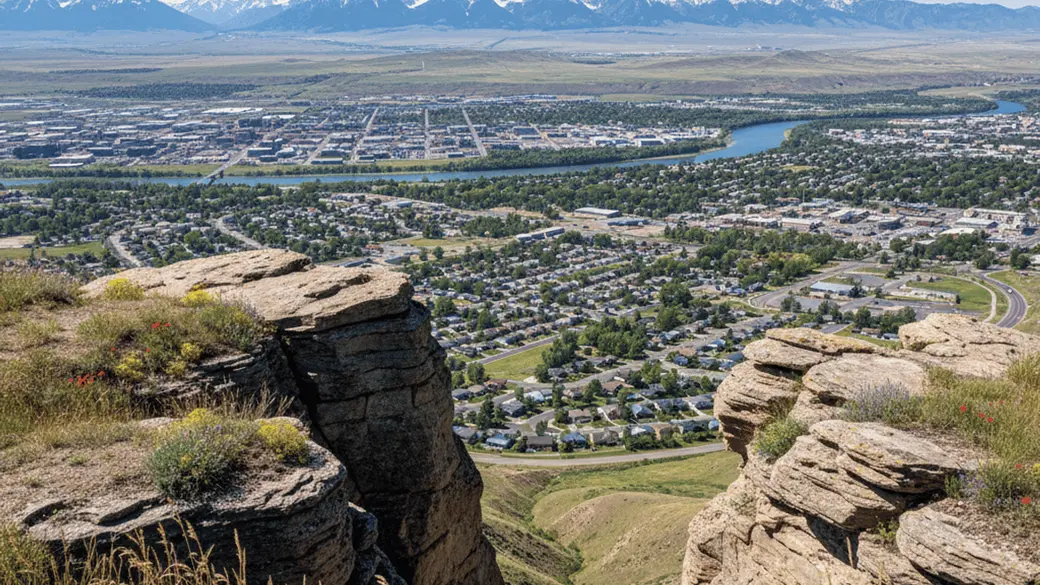
The median home sale price in Billings, MT sits around $390,000 - active enough that you'll want to know which part of town you're targeting before you start making offers. Yellowstone County gives you a lot of ground to cover when buying a home in Billings, MT, and the neighborhoods here are genuinely different from one another.
Right now there are roughly 671 homes available across the city, with properties spending about 61 days on the market on average. Whether you're drawn to a historic property near the city center or a new build on the western edge of town, that answer shapes everything else about your search.
How Billings is Organized
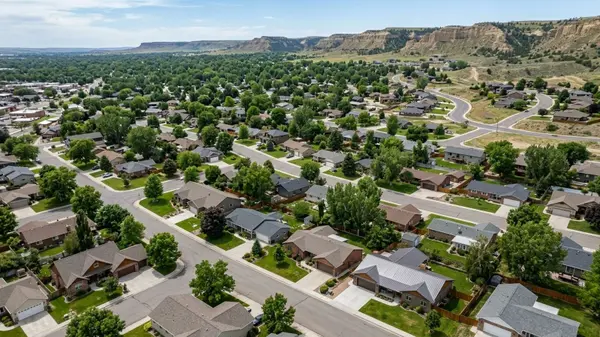
The city breaks into several major geographic areas, and the dividing lines aren't arbitrary - they follow natural features and main roads. The Rimrocks, a prominent sandstone formation, physically separate different parts of town and have shaped where residential development spread over the decades.
Most locals and agents talk in terms of Downtown, the West End, Billings Heights, the South Side, and the Rimrock corridor near the airport. ZIP codes do a lot of work as shorthand too: 59101 covers downtown and the South Side, while 59102 and 59106 correspond to the West End and the Shiloh corridor.
Where Each Area is Located
Downtown Billings sits generally north of Montana Avenue, running toward the Rimrocks. Just south of the downtown core is the South Side, which includes established residential streets along Minnesota Avenue.
The West End stretches west of downtown. The Rimrocks separate it from Billings Heights, which sits elevated to the north and northeast - Main Street cuts through the center of the Heights and divides it into what locals call "east of Bench" and "west of Bench."
Further west still, the Shiloh corridor marks the outer edge of the city's residential growth. It's a long way from downtown, and it connects directly to newer commercial developments and subdivisions.
Home Types and Prices Across the City
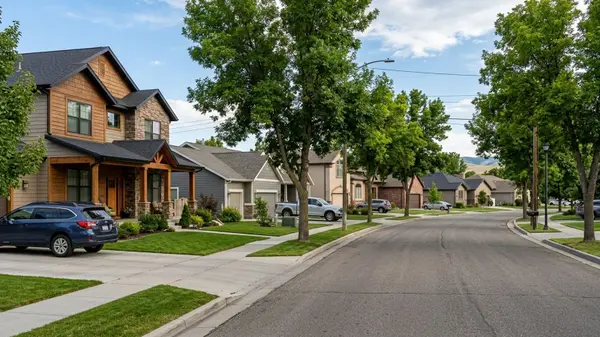
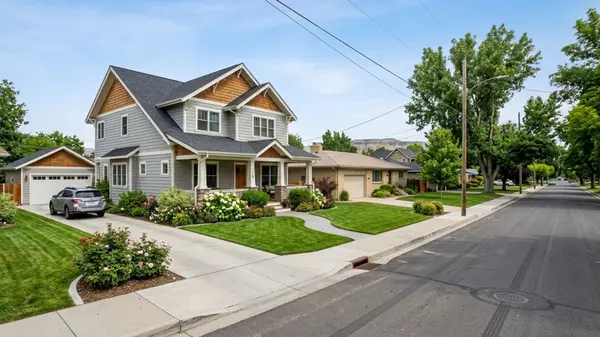
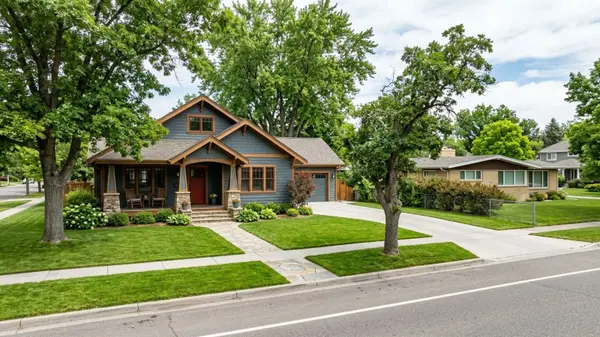
Housing in Billings runs the full spectrum - early 20th-century properties on tree-lined streets to recent master-planned developments on the western fringe. Where you want to look depends on what kind of home you're after, because different parts of the city have very different concentrations of housing types.
Historic Districts
Billings has several National Register-listed historic districts. The Billings Historic District sits roughly between North 23rd and North 25th Streets, and 1st and Montana Avenues.
The Montana Avenue Historic District and the North Elevation Historic District also carry older housing stock. Buyers interested in the Old Town Historic District will find it along Minnesota Avenue and the broader South Side.
New Construction and Master-Planned Communities
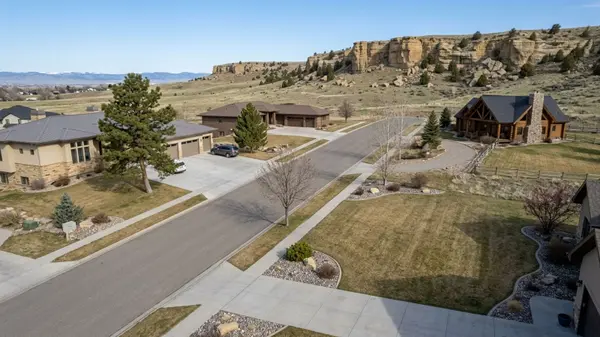
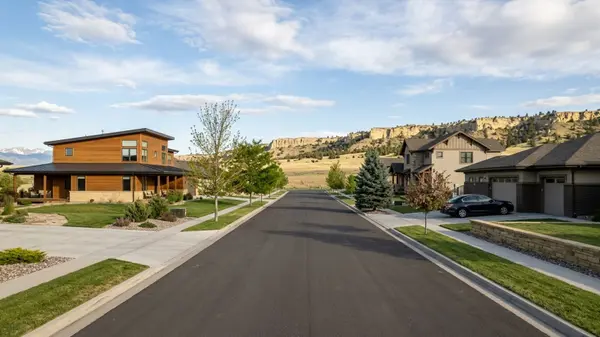
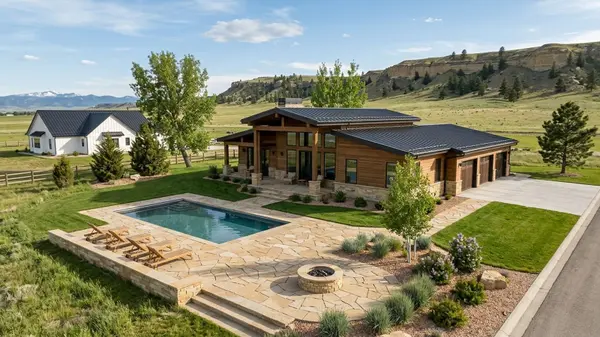
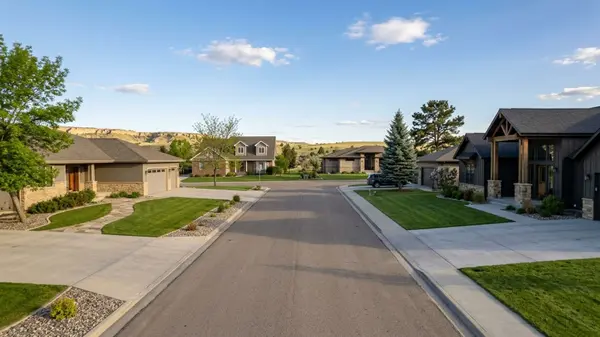
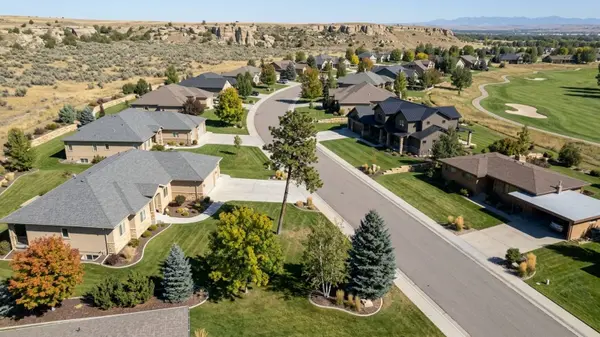
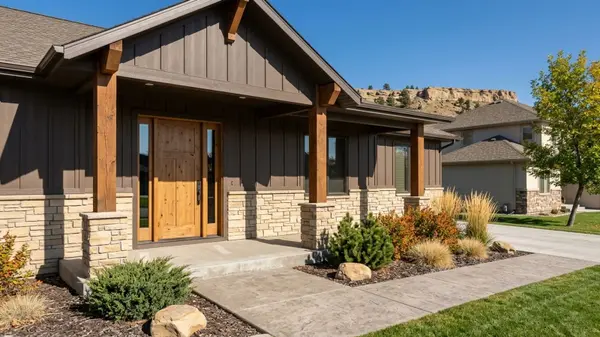
New construction is concentrated in the far West End - specifically the Shiloh corridor. Over the past twenty years, Shiloh has converted from rural land into master-planned developments and custom-built luxury homes. The adjacent West Shiloh area offers newer, more diverse housing options near Rimpoint Park and the Yellowstone Country Club.
The 59102 and 59106 ZIP codes are currently the fastest-growing residential corridors in the city. If you're looking at new construction here, plan on prices above the citywide median.
Profiles of Major Billings Areas
Each major section of Billings has a different mix of real estate and a different relationship to local amenities. The citywide median hovers near $390,000, but specific neighborhoods can skew meaningfully higher or lower depending on the age and size of the homes there.
The West End and Shiloh
The West End offers mid-century homes toward its eastern edge and newer development as you push further west. Properties in the 59102 and 59106 ZIP codes are largely detached single-family houses with bigger lots. Along Shiloh Road, you're in new construction and custom home territory, with quick access to the Yellowstone Country Club and Rimpoint Park.
Billings Heights
Billings Heights sits above the Rimrocks to the north and northeast of downtown. The area includes established residential pockets like Lake Elmo and Alkali Creek, with single-family subdivisions built out across several decades. Main Street runs through the center of the Heights as the primary commercial and transit route.
Downtown, South Side, and North Elevation
The Downtown and South Side areas - largely within the 59101 ZIP code - hold some of the city's oldest housing stock. You'll find historic properties, smaller detached homes, and urban living options here.
North Elevation and the Rimrock neighborhood sit closer to the base of the Rimrocks near the airport. These are established areas with older homes and quick access to the city center.
The Local Housing Market and Cost of Living
Before you make an offer anywhere in Billings, it's worth getting a clear picture of what the broader market is doing. Inventory levels and median prices set the baseline for what you'll spend - and they vary more by neighborhood than the citywide number suggests. You'll also want to look at school zoning and local crime data for any specific address you're seriously considering.
Home Prices and Local Market Activity
The median home sale price in Billings has been running at roughly $389,642, with homes averaging about 61 days on the market. There are currently around 671 homes available. Different sources put the figure slightly above or below that number, but most estimates land in the high $300,000s to low $400,000s citywide. New construction in the Shiloh corridor runs above that range.
School Districts Serving the Area
Most of the city falls under Billings Public Schools, also known as School District 2 - the largest district in Montana. It includes 22 elementary schools, six middle schools, three high schools, and a career and technical campus.
Several other districts also overlap the Billings area: Elysian Elementary, Elder Grove Elementary, Canyon Creek Elementary, Blue Creek Elementary, Morin Elementary, and Lockwood K-12. Private options, including Billings Catholic Schools, are available as well. Which district applies to you depends on your specific street address, so verify that before you get too attached to a particular school.
Researching Neighborhood Crime Data
For crime statistics, go to official sources rather than third-party rankings. The City of Billings directs residents to a Crime Mapping tool through the Crime Statistics page at billingsmt.gov. The Billings Gazette Crimewatch map is another option for tracking recent activity. The Yellowstone County Sheriff's Office and the FBI Uniform Crime Reporting Program round out what's available.
Frequently Asked Questions
What neighborhoods and communities are in Billings, MT?
Buyers can map their search across five primary zones, each with distinct housing styles. The historic core sits centrally in the 59101 ZIP code, while newer subdivisions push westward through the 59102 and 59106 boundaries.
What do homes cost across Billings's neighborhoods?
While the citywide median hovers near $390,000, your target ZIP code dictates the final budget. Expect entry-level pricing in established central districts, whereas new construction in the far West End often requires looking above the $400,000 mark.
How can I research crime data for a specific Billings neighborhood?
Local authorities provide interactive mapping tools to help buyers review street-level incident reports before making an offer. Start with the portal linked on the city's official website, then cross-reference county records for a comprehensive view of any target address.
What school districts serve Billings's neighborhoods?
School District 2 manages the bulk of the city's public education, but county lines create multiple overlapping zones on the outskirts. Buyers targeting the suburban fringe must verify their exact street address against county attendance maps to confirm their zoning.
Which area is better for buying a home: the Billings West End or the Heights?
The choice typically comes down to your preference for housing age and topography. The Heights provides mature trees and elevated lots north of downtown, whereas the West End delivers rapid residential expansion and larger floor plans.
How fast are homes currently selling in the most desirable Billings neighborhoods?
Active listings sit for roughly two months on average, though turnkey properties in high-demand pockets move faster. Buyers should prepare their financing early to compete effectively when well-priced houses hit the market.
How do buyers choose between different subdivisions in the city?
Direct comparisons between subdivisions clarify priorities for lot size, HOA rules, and architectural styles. A look at Gregory Hills vs Trails West demonstrates how adjacent communities can offer entirely different living experiences.
What should buyers know about the Riverfront area in Billings?
Properties along the Yellowstone River appeal to buyers prioritizing outdoor access and mature landscaping. A Riverfront Billings, MT area guide details the specific property types and trail connections unique to this southern corridor.
Categories
Recent Posts

Broker MT License RRE-BRO-LIC-64264
+1(406) 850-3065 | shawna.morales@engelvoelkers.com