
Billings Heights Real Estate: 2026 Guide to Homes and Daily Life
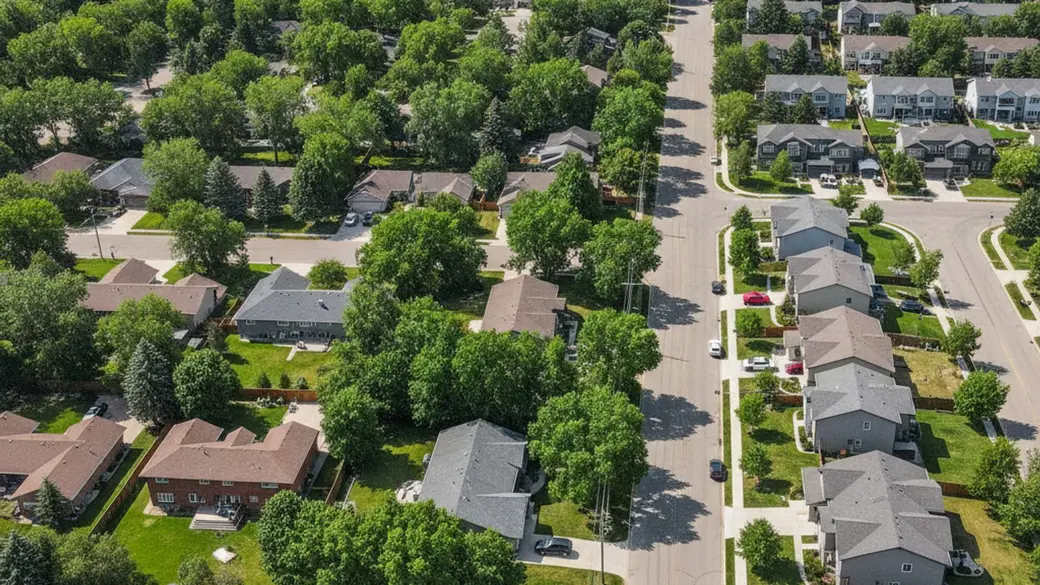
The median home price across the best neighborhoods in Billings, MT currently sits at roughly $389,900. Homes across the city spend an average of 57 days on the market before selling - a reasonably consistent timeline that gives buyers real room to negotiate and close without feeling rushed.
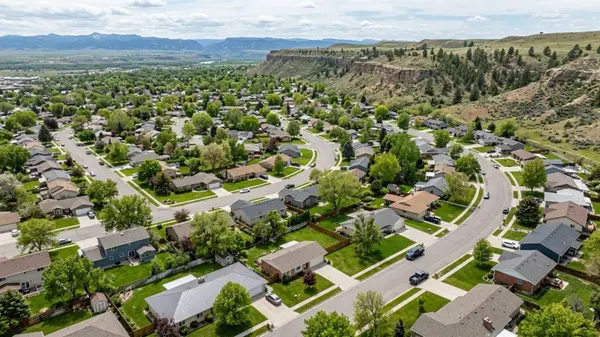
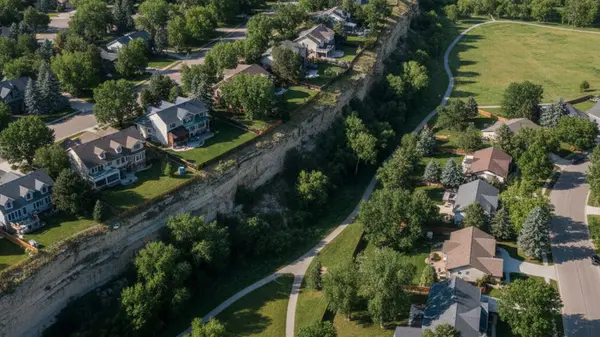
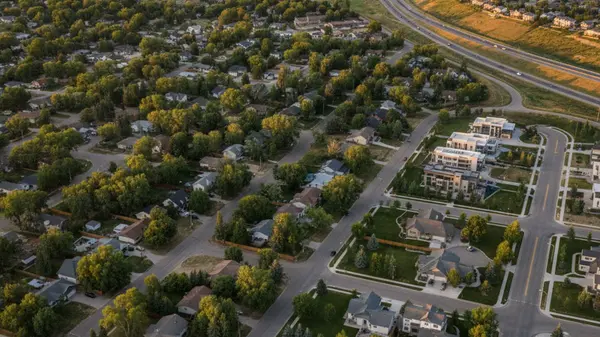
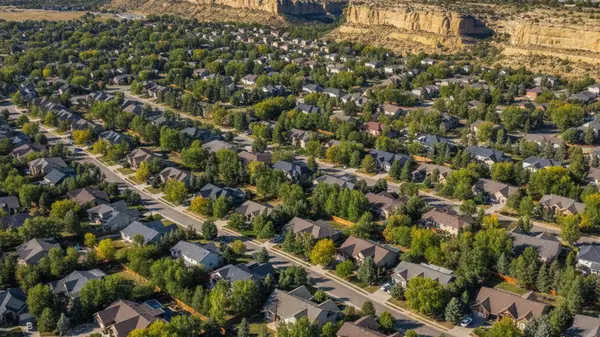
If you're looking at the Heights specifically, you're looking at a major neighborhood in Billings. It's a district that mixes established residential streets with newer developments, which means the price range and the feel of the neighborhood can shift quite a bit depending on which block you're on.
This guide covers what you'll actually need to know - real estate trends, everyday services, and the practical details of living here.
Real Estate Trends in the Heights
Citywide, buyers have about 583 homes to choose from, which works out to roughly four months of supply. The Heights fits into that picture with a mix of single-family houses, townhomes, and rental properties.
Prices here track closely with Billings' city-wide median of $389,900. Sellers who price in line with recent comparable sales tend to see steady demand - those who don't, don't. That's not unique to this neighborhood, but it's worth keeping in mind as you look at asking prices versus what's actually closing.
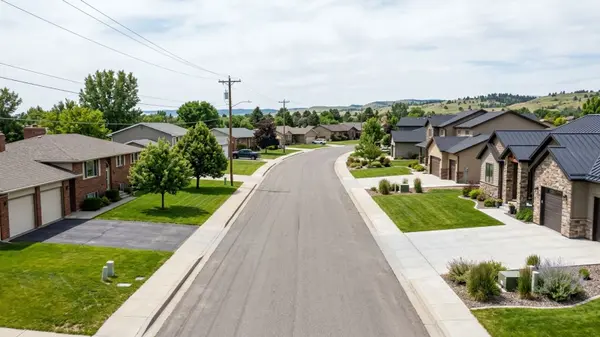
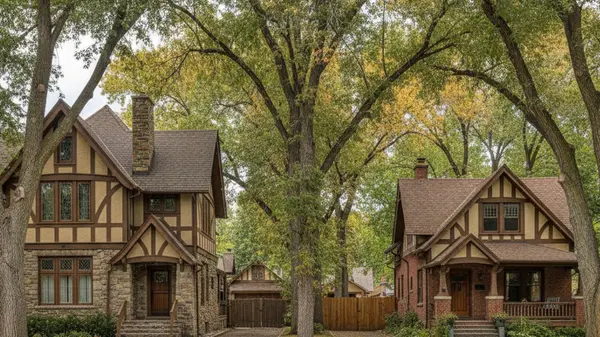
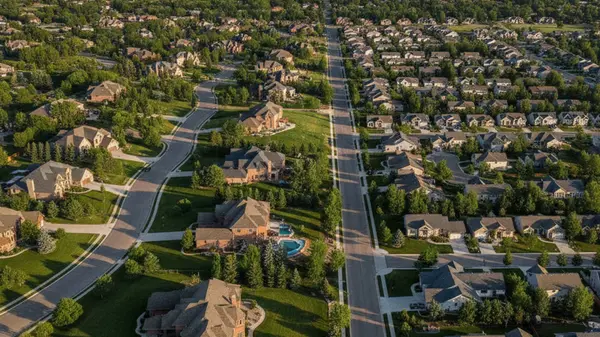
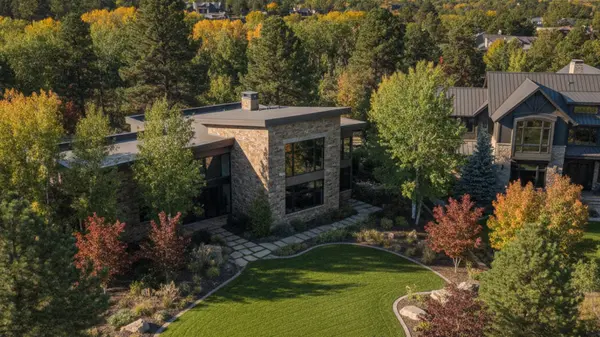
Your options run the full spectrum from older homes on mature lots to newer builds with updated floor plans and modern energy-efficiency standards. Which end of that spectrum suits you depends on your budget and your tolerance for deferred maintenance.
HOA Fees and Property Attributes
A lot of the streets here have no formal homeowners association at all - that's worth knowing if you're trying to keep carrying costs down. That said, some of the newer residential subdivisions do require HOA fees to maintain shared spaces and enforce local property covenants.
The only way to know for certain is to pull the disclosures for each property you tour. A local agent can tell you quickly which streets carry association dues or specific restrictions before you get to the offer stage.
Dining, Shopping, and Daily Amenities
The commercial corridors running through the area cover the basics - grocery stores, pharmacies, everyday retail - without requiring a trip across town. Day-to-day errands are genuinely easy here.
Dining leans toward national chains alongside local restaurants and cafes. This isn't a destination for tourists; it's a practical commercial area built around the people who actually live here, and that's exactly what most buyers want.
Getting around means using the main arterial roads that connect the district to the rest of Billings. From most residential streets, the heart of downtown and the major employment centers are an accessible commute.
Local Weather and Climate
Billings gets four real seasons, and the Heights is no different. Winters bring cold temperatures and snow - if you're buying here, budget for snow removal and winterizing exterior pipes. That's just part of homeownership in this part of Montana.
Summers are generally warm and dry, which is genuinely pleasant. If you're relocating from a milder climate, make sure any home you're serious about has reliable heating and cooling systems. The seasonal swings here are not subtle.
Schools and Healthcare Access
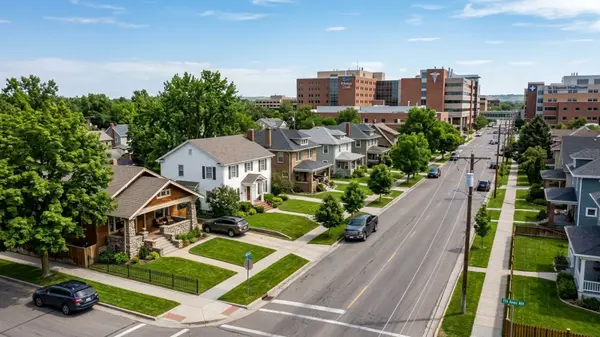
Medical care in the Billings area includes major hospitals and specialized clinics serving the broader region. From the Heights, the main transit routes toward the city center get you to those facilities without much difficulty. Urgent care centers and primary care offices are also a short drive away from most residential neighborhoods.
If proximity to medical services is a priority for you, map the actual drive times from the specific addresses you're considering - that's a more useful exercise than going by general neighborhood location.
Public education falls under the local Billings school districts, with attendance zones determining exactly which schools serve a given street or subdivision. Those boundaries can and do shift based on district enrollment numbers.
Don't assume the school assignment based on neighborhood name alone. Check the current boundary maps directly through the district before you make an offer - it's a straightforward step that occasionally saves buyers a real headache.
Frequently Asked Questions
Are home prices in Billings Heights generally lower than the West End?
It depends on the specific property and its condition. The broader Billings median sits around $389,900, but prices vary widely between different parts of town and home styles across both areas.
How long is the commute from the Heights to downtown Billings during morning traffic?
Commute times depend on your exact departure point and current traffic conditions. Most residents use the main arterial roads to reach downtown, which typically offers a straightforward drive.
Where can I find new construction homes for sale in Billings Heights?
New construction availability changes throughout the year depending on active development phases. Search current local listings or work with an agent to identify which builders are active in the area right now.
Do most residential subdivisions in Billings Heights require HOA fees?
It depends on the specific neighborhood and when it was developed. Older streets often have no association at all; newer subdivisions frequently do require HOA dues.
Are there specific soil or foundation issues buyers should inspect for in the Heights?
Always order a professional home inspection that covers the foundation and structure. A qualified local inspector will identify any property-specific soil or settling issues.
Which public schools serve families living in Billings Heights?
The area is served by local public school districts based on exact geographic boundaries. Consult the current attendance zone maps for your specific address to confirm school assignments.
Categories
Recent Posts


Broker License ID: RRE-BRO-LIC-64264
+1(406) 850-3065 | shawna.morales@engelvoelkers.com