
Comparing Real Estate in Billings, MT: The Heights vs. the West End
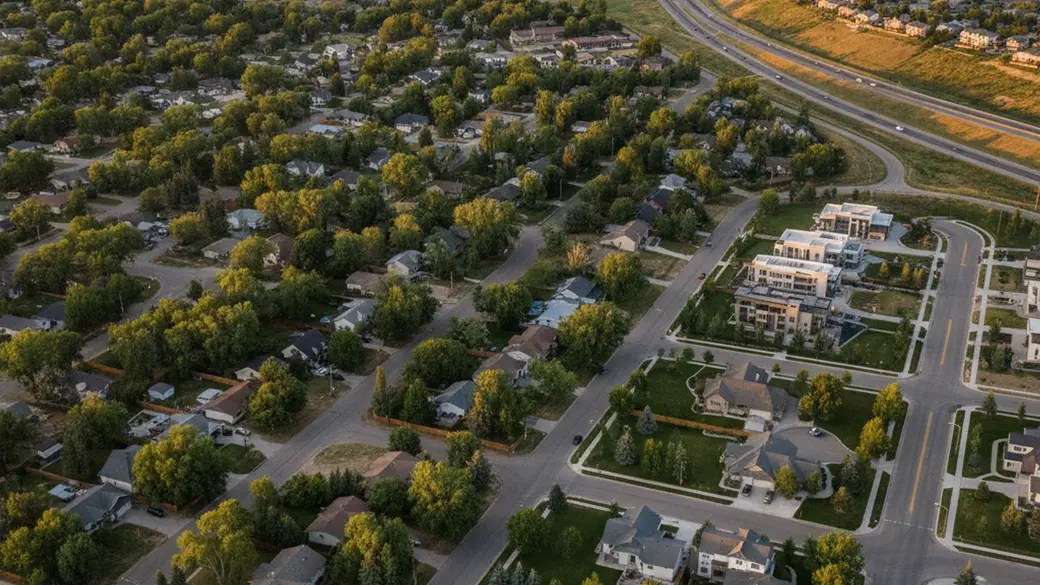
The median home price across Billings, MT sits at roughly $389,900 as of mid-2026. If you're coming into the Yellowstone County market to look for the best neighborhoods in Billings, you'll almost certainly end up weighing two areas against each other: the Heights and the West End.
Where you land comes down to three things - budget, property type, and how you get to work. These two parts of Billings look different, feel different, and connect to Downtown Billings differently. Neither one is the obvious answer for every buyer.
Understanding the Layout and Commute Options
The Heights sits in the northeastern section, the West End stretches out to the west, and Downtown sits between them - but the road networks feeding into downtown from each direction are not interchangeable. Before you fall in love with a house, map your actual daily drive.
Proximity to the major highways is what really controls your commute time, more than the neighborhood name on the listing. Buyers planning to use MET Transit should pull current schedules before assuming a particular subdivision works - routes and frequency vary enough that it matters which side of the city you're on.
Driving to Downtown Billings
Downtown Billings is the primary employment center for a large share of Yellowstone County residents, so both the Heights and the West End funnel commuters toward the same central hub - just from opposite directions.
How long that drive actually takes depends less on which area you choose and more on how deep into that area the house sits. A home on the inner edge of either neighborhood is a different commute than one on the far end of the same zip code. Test the drive yourself, during morning and evening rush hours, from the specific address.
Housing Market and Property Types
Right now the broader Billings market is carrying about 583 active listings, which translates to roughly four months of supply. Homes are averaging 57 days on market before selling. Those are citywide numbers - individual subdivisions in the Heights and the West End will move faster or slower depending on price point and condition, but that's the baseline you're working from.
Both areas contain a real range of price points. The $389,900 citywide median is a useful reference, but it won't tell you what a specific block in either neighborhood actually looks like. Pull recent sold data for the subdivisions you're considering.
One thing that shapes inventory more than people expect is the age of the housing stock. Older, established homes come with different tradeoffs than newer construction, and the mix of the two differs depending on which part of the Heights or West End you're searching.
Home Styles and Lot Sizes
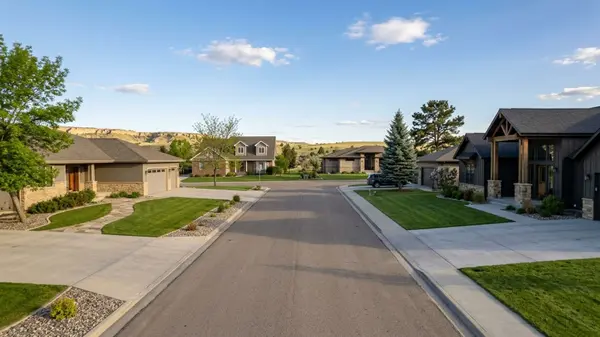
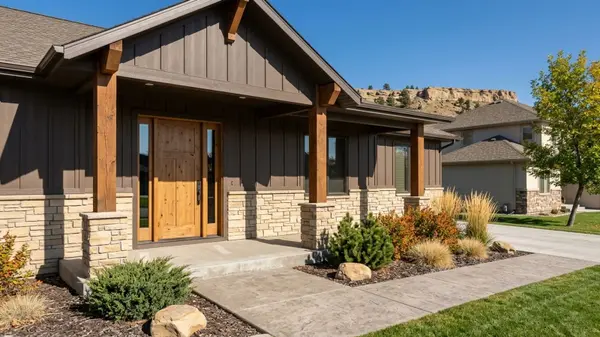
Single-family homes make up the bulk of inventory across both areas, but you'll find condos and townhouses as well - particularly useful if you want lower maintenance without leaving the city. The split between attached and detached options shifts depending on which specific part of either area you're exploring.
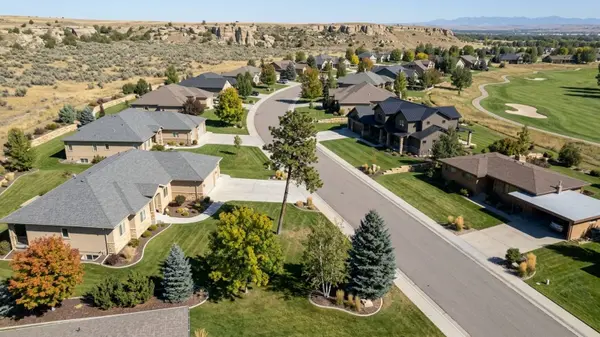
Lot sizes don't follow a clean pattern. They reflect when a subdivision was developed and what zoning rules were in place at the time. If yard dimensions matter to you, go to Yellowstone County property records and verify the actual numbers - don't rely on listing descriptions alone.
Local Infrastructure and Zoning
Both the Heights and the West End have their own established commercial districts. That's worth understanding because the layout of those commercial zones directly affects traffic on adjacent residential streets - and it tells you something about walkability before you ever visit.
Zoning boundaries are also worth reviewing before you make an offer. What can be built next to or near a prospective home in the future isn't always obvious from a drive-by. The city planning department is your most reliable source for what's actually permitted in a given area. Both sides of the city have public parks and trail access, though the specific amenities and connections vary enough by neighborhood that it's worth checking the particulars rather than assuming both experiences are equivalent.
Future Development and Public Spaces
Planned commercial or residential development near a home you're considering can affect both property values and daily traffic in ways that don't show up in current market data. Check with the city planning department on what's slated for either area - it's a straightforward ask that buyers skip more often than they should.
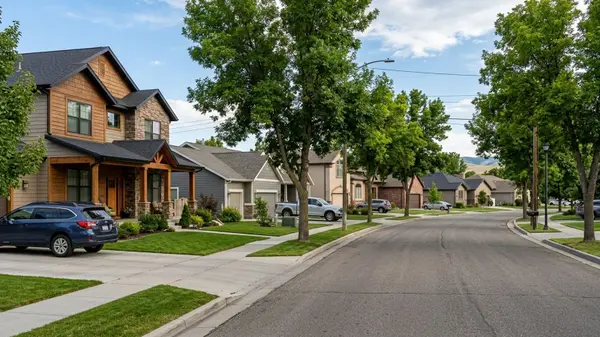
Walkability is almost entirely a street-by-street question in Billings. If that matters to you, target homes that are physically close to established pedestrian paths and commercial centers rather than assuming a neighborhood's general reputation applies to every block within it.
Frequently Asked Questions
Is it more affordable to buy a house in Billings Heights or the West End?
It depends on the specific property type and subdivision. Compare current Yellowstone County MLS listings to see how local prices line up against the citywide median of around $389,900 - the range within each area is wide enough that the area name alone won't answer this.
How does the daily commute and traffic compare between Billings Heights and the West End?
Both areas route into Downtown Billings, just from opposite sides. Your actual commute time depends on where in either area the house sits and how close it is to the major highways. Drive it yourself during peak hours before you commit.
Do homes generally appreciate and hold their resale value better in the West End or the Heights?
Resale value comes down to the specific subdivision, the condition of the property, and broader Yellowstone County market trends - not the area name. Review recent sold data with an agent to get a clear picture of historical appreciation for the streets you're actually considering.
Am I more likely to find new construction homes in the West End or Billings Heights?
Both areas have gone through different development phases over the years. If new construction is a priority, filter active MLS listings by year built for both the Heights and the West End and see what's currently available.
Which neighborhood offers better access to shopping, dining, and newer schools in Billings?
The Heights and the West End each have their own commercial districts with shopping and dining. For school information, check the Billings school district boundary and enrollment pages directly - boundaries shift, and you'll want the current version.
Do you typically get a larger yard and lot size for your money in the Heights or the West End?
Lot sizes vary widely across both areas depending on the age of the housing stock and local zoning rules. Pull individual property surveys and Yellowstone County tax records to compare actual dimensions - it's the only way to know what you're really getting.
Categories
Recent Posts

Broker MT License RRE-BRO-LIC-64264
+1(406) 850-3065 | shawna.morales@engelvoelkers.com