
Billings vs. Laurel: Choosing Your Yellowstone Valley Home
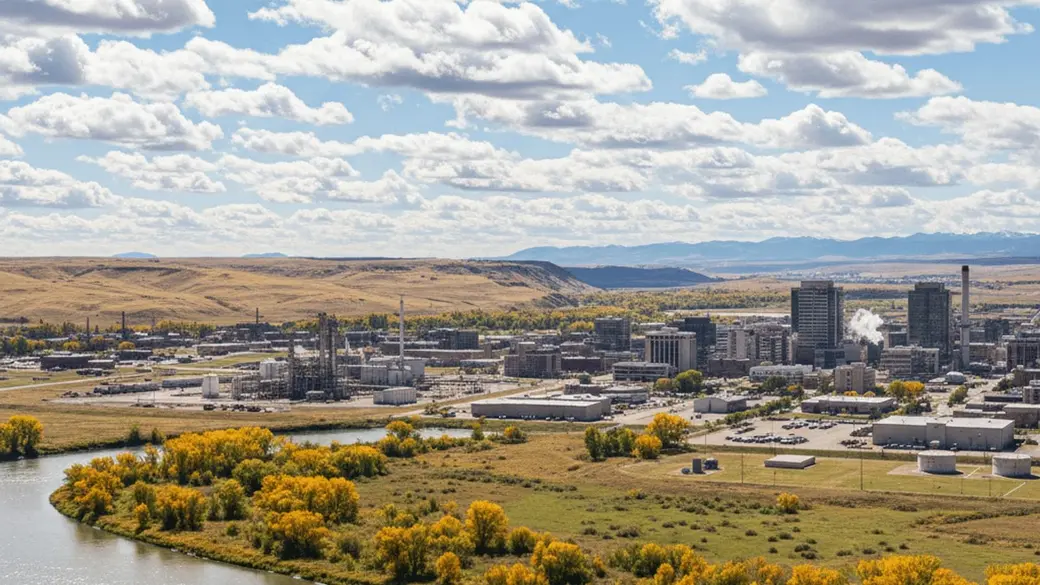
If you are looking at homes in the Yellowstone Valley, you have likely hit the most common debate we see among newcomers: Should you plant your roots right in the middle of the action in Billings, or settle down fifteen minutes west in Laurel?
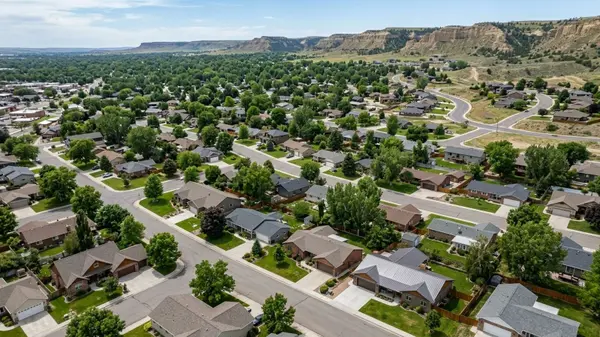
At a glance, these two look like siblings. They share the same big Montana sky, the same Yellowstone River access, and largely the same weather patterns. But once you spend a little time on the ground here, you realize they have distinctly different personalities. Billings is the "Magic City," the regional trade hub where commerce, healthcare, and entertainment converge. Laurel, on the other hand, holds tight to its identity as a hard-working, industrial-rooted community that feels much more like a small town than a suburb.
The distance between them is negligible for most drivers—about 15 miles, or a quick 15 to 20-minute cruise down the interstate. Yet, that short drive changes the vibe completely. As we head further into 2026, the choice usually comes down to what you value more: the convenience and variety of a city, or the tighter-knit, slower pace of a bedroom community.
Let’s break down the real numbers and lifestyle differences so you can decide which spot feels like home.
Cost of Living: Is Laurel Actually Cheaper?
There is a long-standing assumption around here that moving out to Laurel will automatically save you a bundle of money compared to living in Billings. While that might have been true years ago, the financial reality in 2026 is a lot more nuanced.
The truth is, overall costs are remarkably comparable. Because Laurel is so close to the Billings economic engine, prices for daily goods don't drop off a cliff just because you crossed the city limits. You are still in Yellowstone County, which means utility rates and service fees are largely the same. Both cities benefit from Montana’s lack of a sales tax, so your grocery runs and big-ticket purchases cost the same regardless of your zip code. Generally, essentials in both towns run about 3–5% lower than the national average.
Where you might see a difference is on your monthly mortgage statement, specifically regarding taxes. Laurel generally has a slightly lower effective property tax rate—estimated around 0.74% compared to Billings’ 0.85%. On a higher-priced home, that small percentage difference can add up to meaningful annual savings.
However, if you plan to rent before you buy, do not expect a discount in the smaller town. Because Laurel has significantly fewer apartment complexes and rental homes than Billings, scarcity drives the price up. It is not uncommon to see average rents in Laurel pushing higher than Billings simply because there are ten people fighting for one available unit.
Real Estate Market Comparison (2026 Trends)
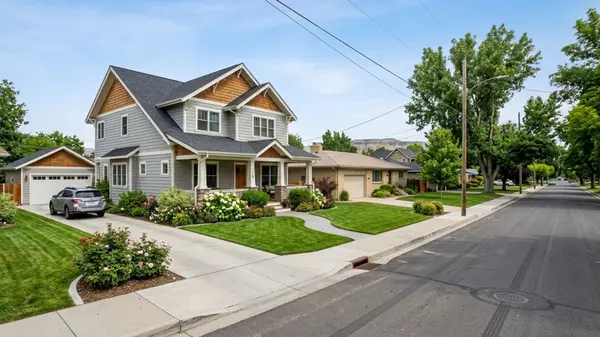
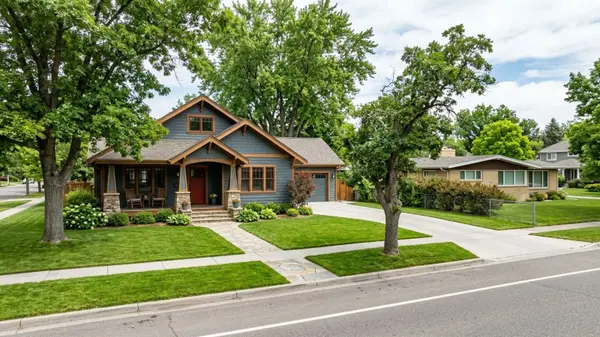
When you start browsing listings, the biggest difference you will feel isn't necessarily price—it's availability. The Billings real estate market operates with the volume you would expect from the state's largest city. In early 2026, we are seeing a healthy inventory level, often with over 600 active listings at any given time. This gives buyers plenty of room to be picky. You can look at historic homes on the South Side, new construction in the Heights, or sprawling lots out on the West End.
Laurel creates a much different experience. It is a tighter, more "closed" market. Inventory here is almost always low—often fewer than 60 active listings total. Because few people leave Laurel once they settle in, and new subdivision growth hasn't matched the explosive pace of West Billings, good homes here sell incredibly fast. If you see a house you like in Laurel, you usually don't have the luxury of "sleeping on it" for a weekend.
Here is how the pricing stacks up right now:
- Billings Median Home Value: hovering in the $386,000 range.
- Laurel Median Home Value: typically around the $362,000 range.
- Billings Average Rent: roughly $1,273/month.
- Laurel Average Rent: closer to $1,400/month (driven by low supply).
The price gap between the two has narrowed over the last few years. While you might save roughly $20,000 to $25,000 on the purchase price of a median home in Laurel, you have to weigh that against the potential for a more competitive bidding situation due to that lack of supply.
Lifestyle & Amenities: Big City vs. Small Town Feel
The lifestyle trade-off is probably the sharpest contrast between the two. Living in Billings means you have immediate access to the "Corridor" of medical care, retail, and dining. If you want Thai food on a Tuesday or need to hit the Rimrock Mall and Costco in one trip, it’s all right there. The city has developed a legitimate "foodie" scene recently, with downtown breweries, steakhouses, and international options that keep nightlife active.
Laurel offers a quieter, simpler daily rhythm. Residents often describe it as having everything you need, if not everything you want. There is a Walmart Supercenter and plenty of local staples—places like Mo’s Cones or local steakhouses are institutions here—but you won't find the density of retail chains. For major clothes shopping or specialized healthcare, Laurel residents almost always drive into Billings.
However, Laurel has its own distinct culture. It is famously home to the largest 4th of July fireworks display in the region, an event that swells the town's population significantly for one night a year. Billings, conversely, hosts the steady stream of concerts, rodeos, and fairs at MetraPark.
It is also worth noting the industrial backdrop. Laurel is home to the Cenex refinery. It is a massive economic driver for the town, providing high-paying jobs that support the local housing market. However, it does contribute to an industrial aesthetic, and depending on which way the wind is blowing, you are occasionally reminded of its presence. Billings has its industrial zones too—specifically in the Lockwood area and along the river—but the residential neighborhoods are generally more removed from them.
Commute & Transportation: The I-90 Connection
If you work in Billings but are charmed by Laurel, the commute is rarely a dealbreaker. In fact, for many people moving here from larger metro areas, it barely counts as a commute at all.
The two cities are connected by a straight shot on I-90. With speed limits posted at 75–80 mph for most of the stretch, you cover ground quickly. You are looking at a consistent 15 to 20 minutes to get from a driveway in Laurel to an office in the West End of Billings. Even getting all the way downtown usually takes less than 25 minutes.
Traffic congestion is minimal compared to national standards. The famous "Lockwood bottleneck" is on the east side of Billings, so commuters coming from Laurel (the west) avoid that headache entirely. The only variable to watch is winter weather. While the interstate is a priority for snowplows and is generally kept very clear, the Yellowstone Valley can get high winds. On icy days, that open stretch of highway can feel a little white-knuckle, but it rarely shuts down completely.
Schools and Safety: For Families
When comparing education, you are looking at a classic "large vs. small" dynamic.
Billings Public Schools (School District 2) is the largest district in Montana. For students, this means variety. There are multiple high schools, a specialized Career Center, and a wide array of AP courses, electives, and extracurricular clubs that a smaller district simply cannot fund. If a student has a niche interest—from robotics to competitive theater—they will likely find a program for it in Billings.
Laurel Public Schools operates as a single, unified district with one main high school. The benefit here is the community atmosphere. Class sizes can feel more intimate, and the "everyone knows everyone" vibe is strong at football games and school events. It offers a traditional school experience where the school system is often the heartbeat of the town.
regarding safety, the data follows typical urban trends. Billings, being the population center, has higher reported crime rates per capita, dealing with the urban challenges common to any regional hub. Laurel is statistically safer in terms of violent crime, largely due to its smaller population and lack of dense urban core. However, no town is immune; Laurel still deals with property crime, and residents generally advise locking doors just as you would in the city.
Pros and Cons Summary
If you are trying to balance the scales, here is how the two stack up side-by-side.
Billings
- Pros: Incredible variety of jobs, dining, and shopping; robust healthcare access; huge inventory of homes for sale.
- Cons: Higher traffic and noise levels; higher property tax rate; urban safety challenges.
Laurel
- Pros: tight-knit community feel; lower property tax rate; generally safer streets; very easy commute.
- Cons: Extremely limited rental market; fewer dining and entertainment options; proximity to the refinery (smells/industrial view).
The Verdict: Which City Fits Your Life?
So, where should you hand over your down payment?
Choose Billings if: you value convenience above all else. If you want to be able to choose between twenty different restaurants for dinner, have a five-minute drive to work, and browse hundreds of homes to find the perfect architectural style, the Magic City is your spot. It is the better choice for those who want an active, urban lifestyle with immediate access to amenities.
Choose Laurel if: you prefer a slower pace and a neighborhood where you know the people on your block. If you are okay with driving 15 minutes for a big night out in exchange for a quieter weeknight and a slightly lower tax bill, Laurel is an excellent option. It fits buyers who want that classic Montana small-town independence without being isolated from civilization.
Both cities offer a great quality of life within the Yellowstone Valley ecosystem. It just depends on whether you want to live in the hub, or just down the road from it.
FAQ: Living in Billings vs. Laurel
Is it cheaper to live in Laurel or Billings, MT?
It depends on whether you are buying or renting. Home prices in Laurel are slightly lower (median roughly $362,000 vs. Billings' $386,000) and property taxes are lower, making buying somewhat cheaper. However, renting in Laurel is often more expensive than Billings due to a severe lack of rental inventory.
How far is the drive from Laurel to Billings?
The drive is about 15 miles via I-90, which typically takes 15 to 20 minutes. Since the speed limit is high and traffic is generally light, it is a very consistent and easy commute for most residents.
Does Laurel, MT have good schools?
Yes, Laurel Public Schools offers a strong, community-focused education with smaller class feel and strong local support for athletics and events. While they may have fewer specialized AP courses or electives than the much larger Billings School District 2, many parents prefer the tighter-knit environment.
What is the crime rate in Laurel vs. Billings?
Billings generally has a higher crime rate per capita, particularly regarding theft and urban-related issues. Laurel is statistically safer and quieter, though it still experiences some property crime and is not completely free of the issues that affect the wider county.
Are property taxes higher in Billings or Laurel?
Property taxes are generally higher in Billings. Estimates place the effective tax rate in Billings around 0.85%, whereas Laurel sits closer to 0.74%, which can result in meaningful annual savings for homeowners in Laurel.
Categories
Recent Posts

Managing Broker & License Partner MT License RRE-BRO-LIC-64264
+1(406) 850-3065 | shawna.morales@engelvoelkers.com