
Buying a Home with Zero Down Near Billings: The Local USDA Guide
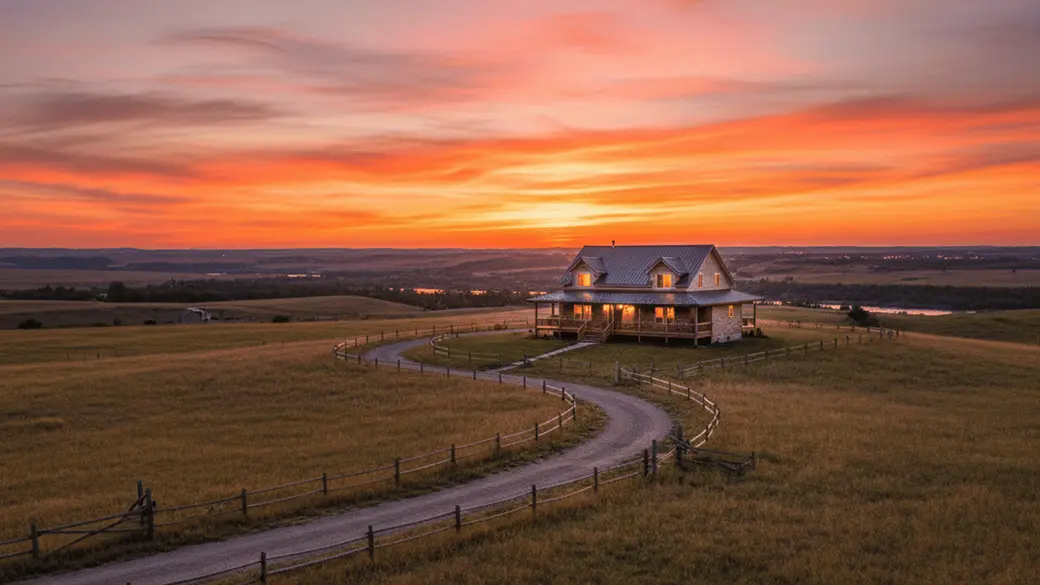
Saving for a down payment is often the biggest hurdle for homebuyers in Billings. With rent prices climbing and daily expenses adding up, putting aside $15,000 or $20,000 for a traditional down payment can feel impossible. But if you are willing to look just outside the city limits, there is a program that bypasses that cash requirement entirely.
The USDA Rural Development loan is one of the last true zero-down mortgage options left in America. While the name implies "rural," you don’t need to be a farmer or move to the middle of nowhere to use it. In fact, many residential neighborhoods just a short drive from downtown Billings qualify perfectly.
However, this program does have three main guardrails: the location of the home, your household income, and the condition of the property. Let’s break down exactly how this works for our local market.
USDA Loan Eligible Areas Near Billings
The most confusing part of this loan for local buyers is understanding exactly where the "invisible line" is drawn. The USDA maps are specific, and being one street over can sometimes make the difference between zero down and needing 3.5% down for an FHA loan.
The "Ineligible" Red Zone
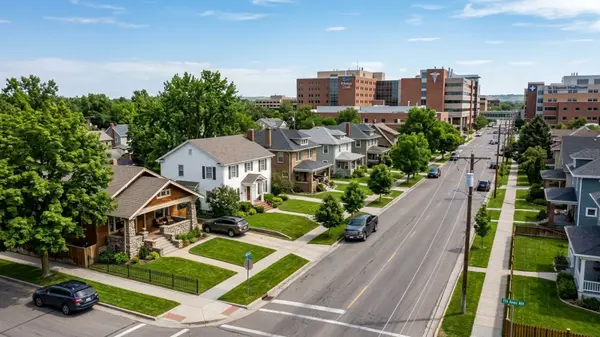
The city of Billings itself is disqualified because its population exceeds the USDA limit. The entire urban footprint, including the West End, the Heights, and the downtown core, is considered ineligible. Generally, if you are looking for a condo on Shiloh or a bungalow near Pioneer Park, the USDA loan won't work for that specific property.
The "Eligible" Sweet Spots
The good news is that once you drive about 15 to 20 minutes out of the city center, the map opens up. These areas offer a reasonable commute to Billings employers but fall under the "rural" designation.
If you are hunting for USDA eligible homes, you should focus your search on these nearby towns:
- Laurel: This is the most popular option for USDA buyers in our area. It functions as a full-service suburb with its own schools and amenities, yet it fully qualifies.
- Shepherd & Huntley: Located to the northeast, these towns offer a quieter, more spacious lifestyle and are eligible.
- Worden: A bit further out, but consistently eligible.
- Park City & Broadview: Great options if you don't mind a slightly longer commute.
The Lockwood Nuance
Lockwood is the tricky part of the map. Because the population density bleeds over from the Heights, parts of Lockwood are considered part of the "urbanized area" and are ineligible. However, as you move further east or into the outskirts, you might find pockets that qualify.
If you are looking at a house in Lockwood, never assume. You need to verify the specific address on the official USDA eligibility map or ask a lender to check it for you before you fall in love with the house.
USDA Income Limits for Yellowstone County (2026)
The USDA program is designed to help low-to-moderate-income households achieve homeownership. This means there is an income cap—if you make too much money, you age out of the program.
For most of Yellowstone County, the base income limits are quite generous.
- 1-4 Member Household: Approx. $119,850
- 5-8 Member Household: Approx. $158,250
Understanding "Adjusted" Income
Here is where it gets interesting. The USDA looks at your "adjusted" annual income, not just your gross salary. If you are slightly over the $119,850 limit, you might still qualify once deductions are applied.
Common deductions that can lower your qualifying income figure include:
- Childcare expenses (daycare costs for children under 12).
- $480 deduction for each minor child living in the home.
- Certain medical expenses for elderly or disabled household members.
It is important to remember that the USDA counts the income of everyone living in the house who is 18 or older, even if they aren't on the loan. If you have a working partner or an adult child with a job living with you, their income counts toward that cap.
Property Rules: What Kind of Home Can You Buy?
Once you know where to look and have your budget set, you need to make sure the house itself fits the box. The USDA is stricter about property condition than conventional loans because they want to ensure the homeowner isn't buying a money pit that they can't afford to fix.
Primary Residence Only
This program is strictly for homebuyers who intend to live in the house. You cannot use a USDA loan to buy an investment rental property or a vacation cabin in the Beartooths.
Safety and Condition
The home must be "safe, sound, and sanitary." This means the roof needs to be functional, the heating system must work, and there shouldn't be broken windows or exposed wiring. While you can buy a home that needs cosmetic updates (like paint or carpet), you generally cannot use a standard USDA loan for a major fixer-upper or a foreclosure that has been stripped of its plumbing.
Acreage vs. Farming
A common myth is that you can use this loan to buy a large working farm. While there is no strict acreage limit, the value of the property must come primarily from the house, not the land. If the property has income-producing outbuildings or is set up as a commercial agricultural operation, it likely won't qualify. You can buy a house on a few acres in Shepherd, but you can't buy a working cattle ranch.
USDA vs. FHA and Conventional in Montana
Why would a buyer choose USDA over the other common loan types? It usually comes down to cash to close and monthly payment efficiency.
Here is how they stack up:
- Down Payment: USDA is 0% down. FHA requires 3.5% down, and Conventional usually requires between 3% and 5% down. On a $350,000 home, that 3.5% difference is over $12,000 in cash you don't have to bring to the closing table.
- Mortgage Insurance: Most low-down-payment loans such as those used by first time homebuyers, have a monthly insurance fee. The USDA's monthly guarantee fee is often significantly cheaper than the FHA's Mortgage Insurance Premium (MIP), which can save you money on your monthly payment.
- Credit Scores: USDA loans don't have a hard minimum fixed by the government, but most lenders look for a credit score of at least 640 to run through their automated underwriting system. FHA can sometimes be more lenient with lower scores, but it will cost you more in down payment.
The main trade-off is location. If you absolutely need to live near the hospitals or the colleges in central Billings, you will have to use FHA or Conventional financing. If you are flexible on location, USDA is hard to beat financially.
Local Market: Home Prices in USDA Areas
The market in Yellowstone County has shifted over the last few years, and prices in the "feeder towns" like Laurel and Shepherd have risen alongside Billings proper.
The median home price in our area generally hovers between $370,000 and $410,000. While you might find older homes or smaller bungalows for less, inventory is tight. In towns like Laurel, well-priced homes under $350,000 tend to move very quickly because they are attractive to both USDA buyers and those escaping the density of Billings.
If you are looking further out, like in Worden or Huntley, you might get a bit more yard space for your money, but you also have to be ready to act fast. There are fewer homes for sale in these smaller communities, so when a good one pops up, competition can be fierce.
If you want to calculate your USDA payment or see if you qualify, it’s best to speak with a lender who knows the specific property taxes and insurance rates for Yellowstone County, as these will impact your final monthly budget.
Frequently Asked Questions
Is Laurel, MT eligible for a USDA loan?
Yes, Laurel is currently eligible for USDA financing. It is one of the most popular markets for this loan program because it offers a full range of schools, grocery stores, and amenities while remaining outside the ineligible Billings urban boundary.
Can I buy a manufactured home with a USDA loan in Montana?
Yes, but with strict requirements. The manufactured home typically must be brand new, on a permanent foundation, and titled as real property (not personal property). Existing (used) manufactured homes are rarely approved unless part of a specific pilot program, so check with your lender first.
What is the minimum credit score for a USDA loan in Montana?
While the USDA doesn't set a firm minimum, most lenders require a credit score of at least 640 for streamlined approval. If your score is lower, you might still qualify through manual underwriting, but the debt-to-income requirements will be much stricter.
Does Lockwood, MT qualify for USDA financing?
It depends on the specific street. Lockwood sits on the border of the "urbanized area." Closer to the interstate and the Heights, it is often ineligible. As you move further east into the more rural sections, many homes do qualify. You must check the specific address.
Can I use a USDA loan to buy a ranch near Billings?
You can buy a home with acreage, but you cannot buy a commercial "working ranch." The value of the property must be primarily in the home, not the land or crops. If the appraiser determines the property is an income-producing farm, it will be ineligible.
Categories
Recent Posts


Broker License ID: RRE-BRO-LIC-64264
+1(406) 850-3065 | shawna.morales@engelvoelkers.com